
Cots & Cot Beds
- Relevance
- Price: Low - High
- Price: High - Low
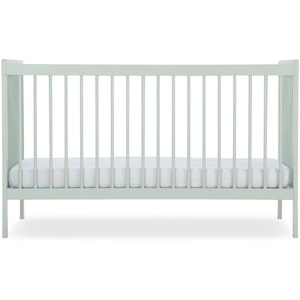
Cot type: Cot bed • Mattress size required: 140 x 70 cm • Suitable age range: From birth to 5 yr
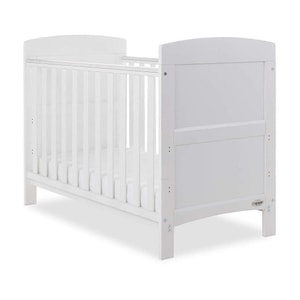
Cot type: Mini cot bed • Mattress size required: 120 x 60 cm • Suitable age range: From birth to 3 yr
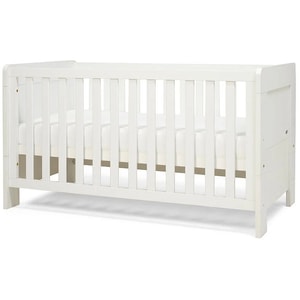
Cot type: Cot bed • Mattress size required: 140 x 70 cm • Suitable age range: From birth to 6 yr
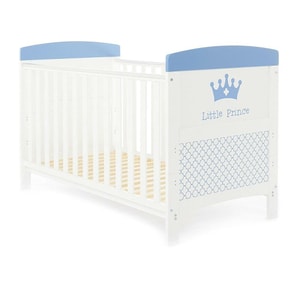
Cot type: Cot bed • Mattress size required: 140 x 70 cm • Suitable age range: From birth to 4 yr
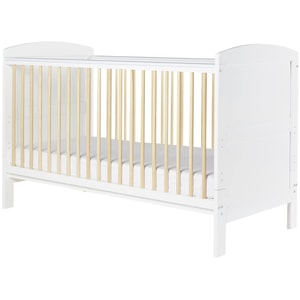
Cot type: Cot bed • Mattress size required: 140 x 70 cm • Suitable age range: From birth to 4 yr
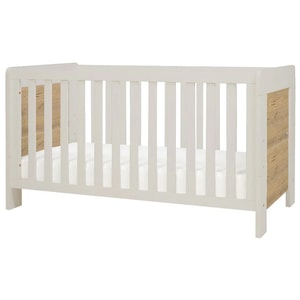
Cot type: Mini cot bed • Mattress size required: 120 x 60 cm • Suitable age range: From birth to 3/4 yr
Cots and cot beds: a safe sleep space that fits your room and routine
A cot is where your baby will spend a lot of time, so the best choice is the one that is safe, sturdy, and realistic for your home. In the UK, searches typically split into “cot”, “cot bed”, “mini cot bed”, and style-led terms such as “Scandi cot bed” or “sleigh cot bed”. The priorities are practical: the cot needs to fit your room, the mattress needs to fit the cot, and night-time access needs to feel simple rather than cramped. Read More...
This category sits within Nursery Furniture & Furnishings. If you are buying the sleep surface at the same time, match your cot with the right size and type within Cot & Cot Bed Mattresses, then double-check the fit against the cot instructions.
Best for:
- A dedicated sleep space from the newborn stage onwards
- A longer-term setup if you choose a convertible cot bed
Plan the space first: what you will do at 2am matters
Before you choose a finish, measure the usable floor area and think about access. You want clearance to lower your baby in safely, change sheets without twisting, and move around in low light. If the cot sits beside your bed early on, check that drawers, wardrobe doors, and radiators are not blocked. If you will be lifting baby in and out often, a layout that allows you to stand squarely at the cot side is usually more comfortable than reaching across corners.
Choose the format: cot, cot bed, or mini cot bed
The right format is the one that fits your room now and still makes sense as your baby grows.
Cots: compact and straightforward
A standard cot is a popular choice when you want a smaller footprint and you are happy to move to a toddler bed later. Many families like the simplicity because it is one job, one size, and often a lighter frame that is easier to position in a smaller nursery. If you move home or rearrange rooms, a simpler footprint can be an advantage.
Cot beds: designed to last longer
Cot beds convert into a toddler bed, so they are often chosen by families who prefer fewer big purchases. The practical benefit is longevity, but cot beds can take more room, so measure carefully, especially if you have a smaller bedroom, a narrow doorway, or you plan to keep other furniture in the same space.
Mini cot beds: for smaller rooms and flexible layouts
Mini cot beds suit homes where space is tight or where the nursery is also used for storage or working. The key is to treat mattress sizing as non-negotiable. Mini formats vary more, so always match the mattress to the model’s stated dimensions, not to a “typical” size.
What to compare so it feels safe and easy every day
Once you have the format, the details decide day-to-day usability and how confident you feel as your baby becomes more mobile.
Safety standard and assembly: make it boring in the best way
The NHS advises choosing a new cot that meets British safety standard BS EN 716, and notes the number should be in the instructions or marked on the cot itself. Follow the manual, keep the fixings, and avoid improvised modifications. A cot that is assembled correctly and kept as designed is far more reassuring than a setup that has been altered.
Mattress fit: treat it as part of the cot, not a separate decision
Cots and cot beds are only as safe as the mattress fit. Your mattress should be firm, flat, and a snug fit with no gaps at the edges. Many UK cots use 120 x 60cm mattresses and many cot beds use 140 x 70cm, but always buy to the cot’s stated size. If you can fit more than two fingers between the mattress and the side of the cot, recheck the size and how the mattress sits in the frame.
Do not buy a mattress “near enough” and try to solve a gap with extra padding. That complicates the sleep surface and makes the setup harder to keep consistent.
Base heights and everyday ergonomics
Adjustable base heights are one of the most useful cot features. A higher setting can make early months easier on your back, then a lower setting becomes important as your baby starts to roll, sit, and pull up. Choose a cot where the base adjustment feels secure and the instructions are clear, because you will use it.
[H3] Build details that hold up: slats, rails, finishes, and storage
Look for a rigid build with no wobble and no sharp edges. Teething rails can reduce bite marks on the top edge and can help the cot keep its finish for longer. For day-to-day living, wipe-clean finishes and rounded edges are genuinely helpful.
Storage drawers can be handy, and searches like “cot bed with drawer” reflect that need for practical storage, but only if they do not make access awkward. Think about where you will stand when changing bedding and whether a drawer blocks your feet.
Safer sleep basics: keep the cot clear and the setup simple
A cot can be beautifully designed, but safer sleep comes down to a simple setup. NHS safer sleep guidance advises a firm, flat, waterproof mattress and keeping the sleep space clear, including avoiding cot bumpers, pillows and loose bedding. The Lullaby Trust reinforces the same core approach and explicitly advises keeping the cot clear of bumpers and products designed to keep a baby in one position, such as wedges or straps.
A practical, consistent baseline is: firm, flat, waterproof mattress, fitted sheet, then age-appropriate bedding such as a baby sleep bag. This is also easier for other carers to follow without improvising.
NHS safer sleep advice also recommends that your baby sleeps in the same room as you, in their own cot, for the first six months. If you are planning where the cot will go, that room-sharing reality is worth designing around from the start.
Second-hand decisions: be stricter with mattresses than frames
A second-hand cot can be sensible if it is modern, complete, and in good condition. The mattress is different. NHS and Lullaby Trust guidance both lean towards buying a new mattress if you are using a second-hand cot, and checking any mattress for tears, holes, sagging, or signs of water damage. If you cannot be confident about the mattress history and condition, buying new is typically the safer, simpler route.
The small extras that make nights and nap routines smoother
Once the cot and mattress are chosen, the extras should support routine, not clutter it. A well-fitting waterproof mattress protector, a few fitted sheets, and season-appropriate sleepwear are usually more useful than decorative add-ons.
If you are planning your wider setup, the broader Baby & Nursery category helps keep sleep essentials aligned with travel choices such as Pushchairs & Travel, so you can plan room space and car boot space together.