
Memory Card Readers
- Relevance
- Price: Low - High
- Price: High - Low
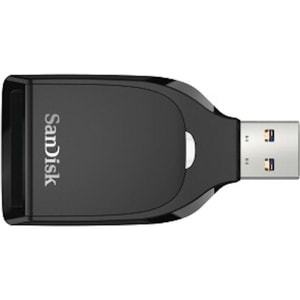
Interface: USB 3.0 (backwards compatible with USB 2.0) • Supported Card Formats: SD, SDHC, SDXC, SDHC UHS-I, SDXC UHS-I • Slots: Single-slot
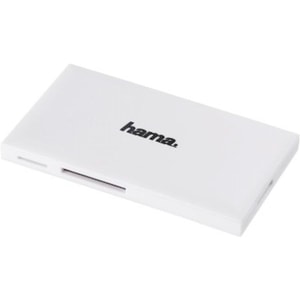
Interface: USB 3.0 • Supported Card Formats: SD, SDHC, SDXC, microSD, microSDHC, microSDXC, CompactFlash, MS, MS Duo, MS PRO Duo, MS PRO Duo HG • Slots: Multi-slot
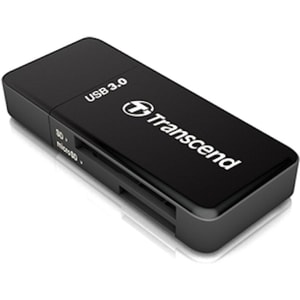
Interface: USB 3.1 Gen 1 • Supported Card Formats: SD, SDHC, SDXC, microSD, microSDHC, microSDXC • Slots: Multi-slot
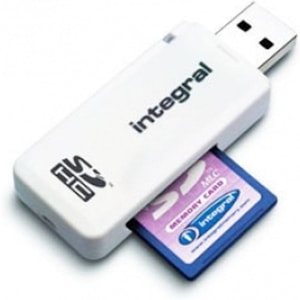
Interface: USB 2.0 • Supported Card Formats: SD, SDHC, SDXC, microSD, microSDHC, microSDXC, miniSD, miniSDHC, MMCmobile, MMC, MMCplus • Slots: Multi-slot
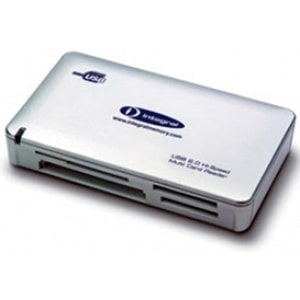
Interface: USB 2.0 • Supported Card Formats: Memory Stick, Memory Stick PRO, Microdrive, MultiMediaCard, SD, SmartMedia, Memory Stick Duo, xD-Picture Card, Memory Stick PRO Duo, miniSD, CompactFlash, RS-MMC, TransFlash, MultiMediaCardmobile, microSD, MultiMediaCardplus • Slots: All-in-one
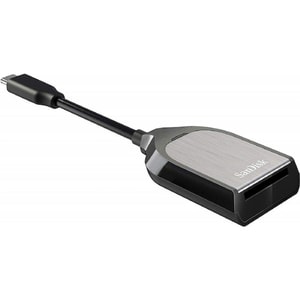
Interface: USB 3.0 • Supported Card Formats: SD, SDHC, SDXC • Slots: Single-slot
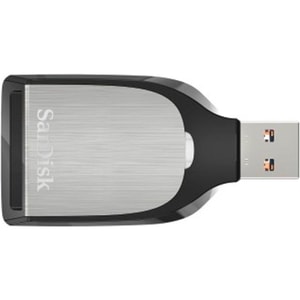
Interface: USB 3.0 (backwards compatible with USB 2.0) • Supported Card Formats: SD, SDHC, SDXC • Slots: Single-slot
SD Cards and SD Card Readers: Small Devices, Big Impact
In the world of digital storage, size no longer equates to capacity. The proliferation of compact, portable devices has driven the demand for equally compact storage solutions. Secure Digital (SD) cards and SD Card Readers stand out due to their versatility and broad compatibility. Read More...
SD Cards: Tiny Storage Powerhouses
Secure Digital cards, or SD cards, have become a ubiquitous form of flash memory in our tech-savvy world. Despite their compact size, they pack a significant punch in storage capacity, with some high-end models storing up to several terabytes of data.
SD cards come in three main form factors: SD, microSD, and miniSD, with microSD being the most common due to its use in many devices such as smartphones, tablets, and action cameras. The original SD cards are typically used in devices like DSLRs and camcorders, while less common miniSD cards have found a niche within certain smartphone models.
Importantly, SD cards are further categorised into classes and ratings, including Class 10, UHS-I, UHS-II, UHS-III, and V class, which indicate the minimum write speed of the card. For example, a Class 10 SD card guarantees a minimum write speed of 10MB/s, while a UHS-III card provides a write speed of up to 624MB/s. Understanding these classes is essential when choosing an SD card for tasks such as 4K video recording or high-speed photography, which require high-speed data writing.
SD Card Readers: The Essential Companion
While many devices have built-in SD card slots, many computers, particularly desktops, do not. That's where the SD Card Reader comes in. These peripherals connect to a computer or other devices, typically via a USB or USB-C port, and allow the device to access the data on the SD card.
SD Card Readers come in different forms. Some are standalone devices designed solely for reading SD cards. In contrast, others are multi-card readers that can accommodate different types of memory cards, including microSD and miniSD, and even older formats like CompactFlash. Many modern laptops incorporate an SD Card Reader into their design, but external card readers are an easy and inexpensive solution for those that don't.
In conclusion, SD cards and SD Card Readers have revolutionised storing and transferring data. Their compact size, high storage capacity, and wide-ranging compatibility make them indispensable in today's digital age. Whether capturing high-resolution photos, recording 4K video, expanding your smartphone storage, or simply transferring files between devices, the humble SD card, in tandem with the SD Card Reader, is a small but vital part of the process.