
Robot Lawnmowers
- Relevance
- Price: Low - High
- Price: High - Low
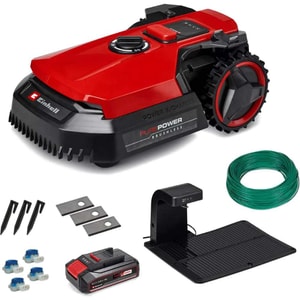
Recommended Lawn Size (m²): 500 • Boundary Type: Boundary wire • Cutting Width: 18 cm
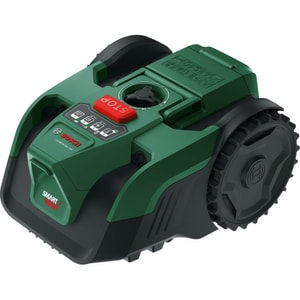
Recommended Lawn Size (m²): 100 • Boundary Type: Wire-free (no boundary wire) • Cutting Width: 16 cm
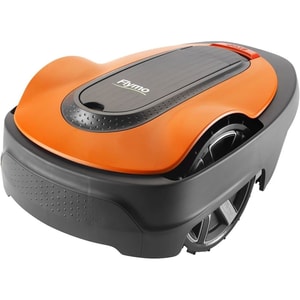
Recommended Lawn Size (m²): 800 • Boundary Type: Boundary wire • Cutting Width: 16 cm
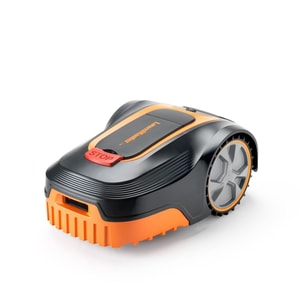
Recommended Lawn Size (m²): 400 • Boundary Type: Boundary wire • Cutting Width: 18 cm
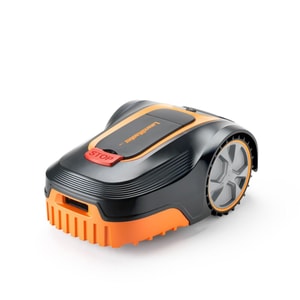
Recommended Lawn Size (m²): 800 • Boundary Type: Boundary wire • Cutting Width: 18 cm
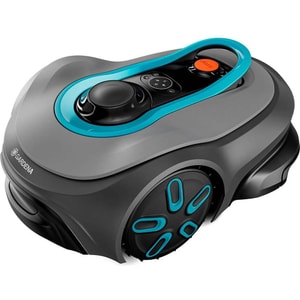
Recommended Lawn Size (m²): 1200 • Boundary Type: Wire-free (no boundary wire) • Cutting Width: 22 cm
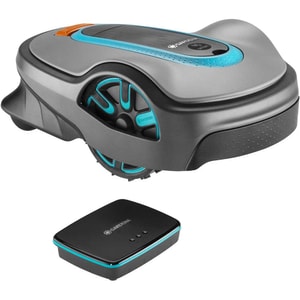
Recommended Lawn Size (m²): 1000 • Boundary Type: Boundary wire • Cutting Width: 22 cm
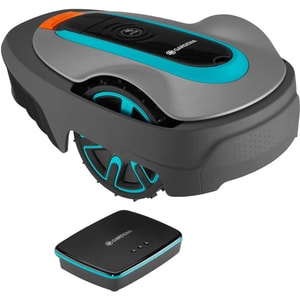
Recommended Lawn Size (m²): 500 • Boundary Type: Boundary wire • Cutting Width: 22 cm
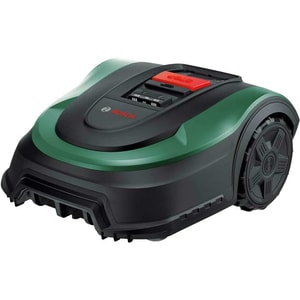
Recommended Lawn Size (m²): 300 • Boundary Type: Boundary wire • Cutting Width: 19 cm
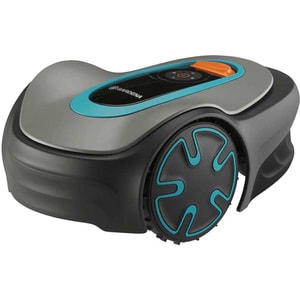
Recommended Lawn Size (m²): 500 • Boundary Type: Boundary wire • Cutting Width: 16 cm
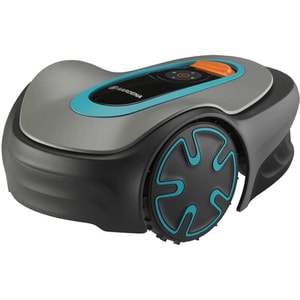
Recommended Lawn Size (m²): 250 • Boundary Type: Boundary wire • Cutting Width: 16 cm
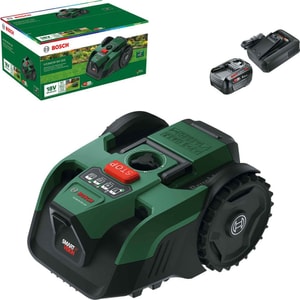
Recommended Lawn Size (m²): 200 • Boundary Type: Wire-free (no boundary wire) • Cutting Width: 18 cm
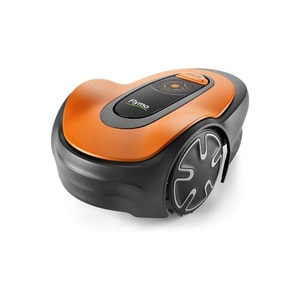
Recommended Lawn Size (m²): 250 • Boundary Type: Boundary wire • Cutting Width: 16 cm
Recommended Lawn Size (m²): 500 • Boundary Type: Boundary wire • Cutting Width: 16 cm
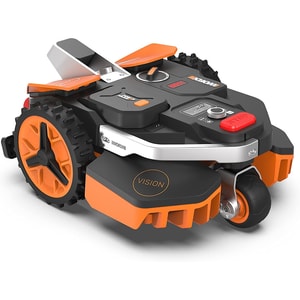
Recommended Lawn Size (m²): 600 • Boundary Type: Wire-free (no boundary wire) • Cutting Width: 18 cm
Robot lawnmowers: the low-effort route to a lawn that stays tidy
Robot lawnmowers are designed for maintenance mowing. They run regularly, taking tiny cuts so the grass stays at a consistent height. When a garden suits them, the result is simple and satisfying: the lawn looks freshly cut far more often, without you setting aside time to mow. Read More...
They work best with realistic expectations. A robot mower is not a rescue tool for an overgrown lawn, and most models cut by mulching rather than collecting. If you keep the lawn reasonably clear of debris and let the mower run on a steady routine, the fine clippings usually disappear into the turf and the lawn stays even.
Is your garden a good fit?
Layout matters more than brand. Robots tend to be happiest on lawns with clear boundaries, manageable slopes, and enough turning space to navigate calmly. Narrow pinch points, split lawns (front and back), steep banks, and edges that drop to paving are where problems usually start. A little “robot-ready” prep, such as tidying obstacles and levelling one persistent dip, can make ownership feel far more hands-off.
Boundary wire vs wire-free robot mowers: what you are really choosing
The key decision is how the mower understands the mowing area.
Boundary-wire robot mowers use a cable around the edge of the lawn, and often around islands such as beds or trees. Once installed, it gives predictable containment, which can be reassuring for complex borders, ponds, or tight corners. Wired setups can also feel steadier in gardens with heavier tree cover or irregular boundaries.
Wire-free robot mowers are increasingly common, and they are often what people mean when they search for a robot lawnmower without boundary wire or a wire free robot lawn mower. Depending on the model, they may use cameras, satellite positioning, or a blend of sensors to recognise the lawn without a physical wire. The appeal is less installation work and easier changes if you redesign the garden.
In practice, the best choice depends on conditions. If your garden has lots of shade, tricky edges, or boundaries that are hard for sensors to interpret, a wired system can still be the simpler route to reliable behaviour. If you have open skies and want flexibility over time, wire-free can be a strong fit, provided the mower consistently recognises lawn edges and returns to its dock without fuss.
Multiple zones, narrow links, and keep-out areas
If your lawn is split into sections, or a narrow strip connects two areas, zone handling becomes important. Look for reliable zone support and clear keep-out controls, so the mower does not repeatedly try to cross the wrong boundary or chew up a newly seeded patch. Obstacle handling is also about coping with low borders, small drops near paving, and awkward corners where wheels can lift.
What to compare so the mower behaves itself week after week
Most robot mowers can cut grass. The real difference is how calmly they handle your garden and how often you need to intervene.
Lawn size ratings, working time, and charging rhythm
Robot mowers are usually sold with a suggested lawn size in square metres. Treat that as a starting point, then allow for complexity. A simple rectangle is easier than a lawn with tight channels, heavy planting, or multiple zones. Ownership is a rhythm: cut for a while, return to charge, then head back out. If you want the mower to maintain the lawn quietly in the background, choosing with a bit of margin is often more relaxing than selecting a model that is right on the limit.
Slopes, traction, and wet grass reality
If you are shopping for a robot mower for slopes, treat conservative gradient ratings and traction as priorities. Wet grass changes grip, and turning on an incline is often harder than climbing it. If the lawn slopes towards an edge, you want confidence in how the mower behaves near boundaries, because steady edge behaviour is what keeps ownership stress-free.
Cut quality, mulching, and seasonal height changes
Robot mowers typically mulch, trimming little and often and returning fine clippings to the lawn. This works best when the mower runs regularly, especially in fast spring growth. Cutting height adjustment still matters in the UK, because lawns change through the season. A slightly higher cut during dry spells can help the lawn look less stressed, while a neater height in spring keeps things looking sharp.
Edges, wildlife, and the finishing touches
Edges are often the stubborn bit. Along fences, around posts, and tight against borders, many gardens still need a quick tidy to look properly finished. A grass trimmer complements robot mowing nicely by keeping borders crisp.
It is also worth running robot mowing in daylight. In the UK, a responsible routine is to avoid overnight mowing and aim for daytime operation, particularly to reduce risks to nocturnal wildlife.
When a different mower type may suit you better
If you still want hands-on control but do not want to manage a cable, cordless lawnmowers can be a simpler fit for awkward layouts. If your lawn is small and you have a nearby socket, electric lawnmowers can be predictable and straightforward. If your garden is very large or rough and you want long sessions without charging, petrol lawnmowers can still make sense, especially if you prefer a single longer cut rather than frequent maintenance mowing.