
Petrol Lawnmowers
- Relevance
- Price: Low - High
- Price: High - Low
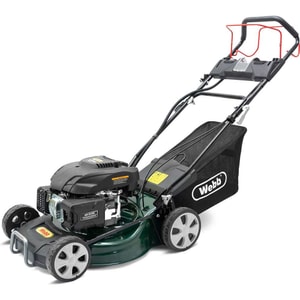
Cutting Width: 46 cm • Drive: Self-propelled • Engine Size: 173 cc
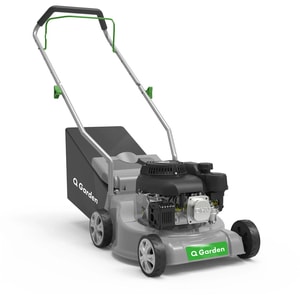
Cutting Width: 39 cm • Drive: Push • Engine Size: 130 cc
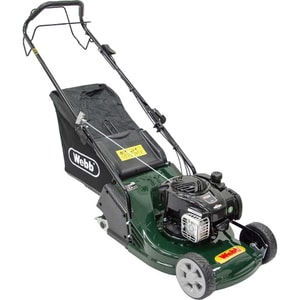
Cutting Width: 43 cm • Drive: Self-propelled • Engine Size: 140 cc
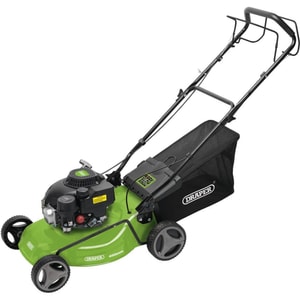
Cutting Width: 46 cm • Drive: Self-propelled • Engine Size: 150 cc
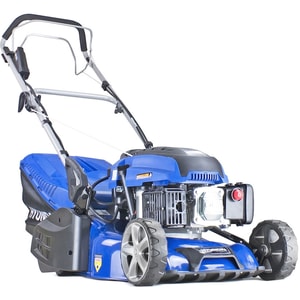
Cutting Width: 43 cm • Drive: Self-propelled • Engine Size: 139 cc
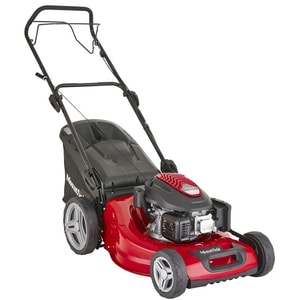
Cutting Width: 53 cm • Drive: Self-propelled • Engine Size: 196 cc
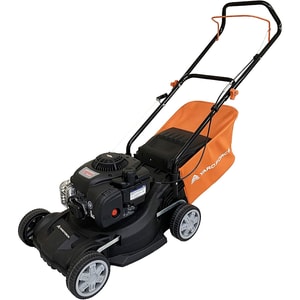
Cutting Width: 40 cm • Drive: Push • Engine Size: 125 cc
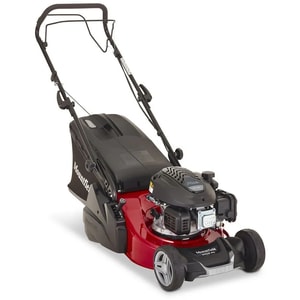
Cutting Width: 41 cm • Drive: Self-propelled • Engine Size: 139 cc
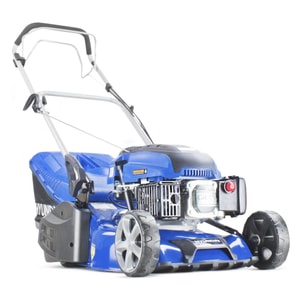
Cutting Width: 43 cm • Drive: Self-propelled • Engine Size: 139 cc
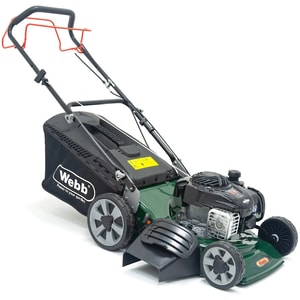
Cutting Width: 46 cm • Drive: Self-propelled • Engine Size: 140 cc
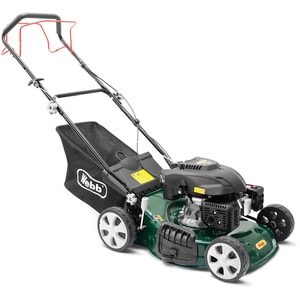
Cutting Width: 46 cm • Drive: Self-propelled • Engine Size: 141 cc
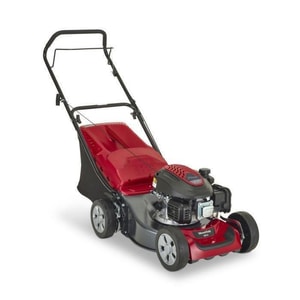
Cutting Width: 41 cm • Drive: Push • Engine Size: 123 cc
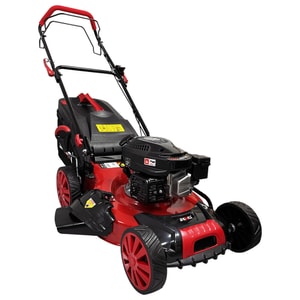
Cutting Width: 51 cm • Drive: Self-propelled • Engine Size: 170 cc
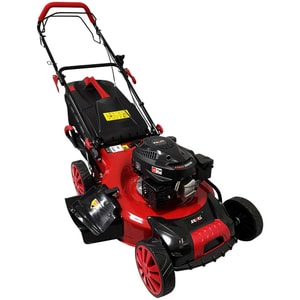
Cutting Width: 55 cm • Drive: Self-propelled • Engine Size: 170 cc
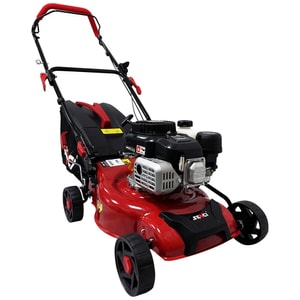
Cutting Width: 41 cm • Drive: Push • Engine Size: 132 cc
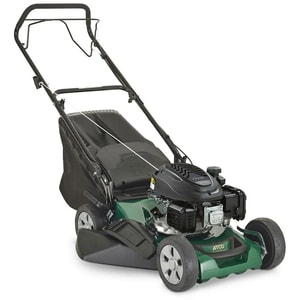
Cutting Width: 41 cm • Drive: Self-propelled • Engine Size: 139 cc
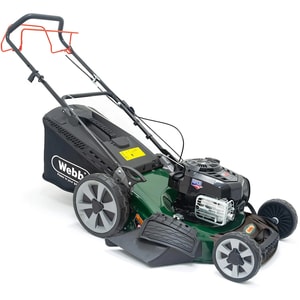
Cutting Width: 53 cm • Drive: Self-propelled • Engine Size: 163 cc
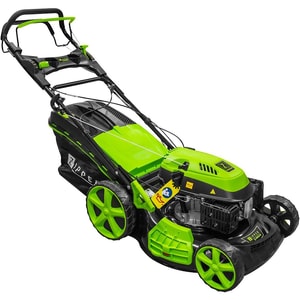
Cutting Width: 51 cm • Drive: Self-propelled • Engine Size: 173 cc
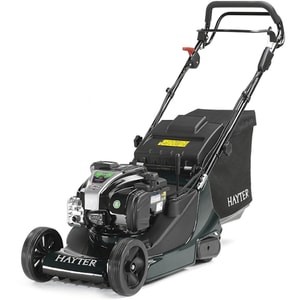
Cutting Width: 41 cm • Drive: Self-propelled • Engine Size: 150 cc
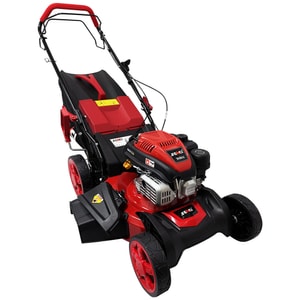
Cutting Width: 48 cm • Drive: Self-propelled • Engine Size: 149 cc
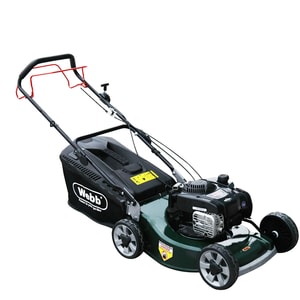
Cutting Width: 48 cm • Drive: Self-propelled • Engine Size: 150 cc
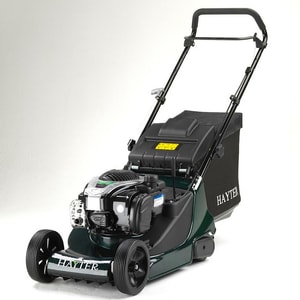
Cutting Width: 41 cm • Drive: Push • Engine Size: 140 cc
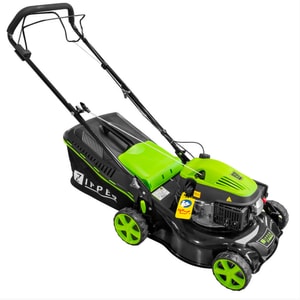
Cutting Width: 42 cm • Drive: Self-propelled • Engine Size: 79.8 cc
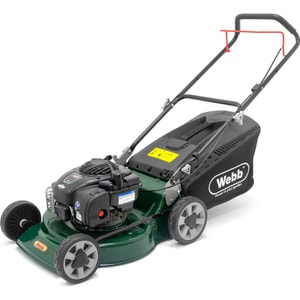
Cutting Width: 46 cm • Drive: Push • Engine Size: 125 cc
Petrol lawnmowers: strong, cable-free cutting for bigger UK lawns
Petrol lawnmowers are usually chosen for one straightforward reason: they keep their pace on larger lawns, thicker grass and longer mowing sessions. Many buyers specifically look for a petrol rotary lawnmower that can cope when growth gets away from them. You are not tied to a socket and you are not planning around batteries, so you can cover more ground in one go. The RHS notes that petrol mowers are free from an electrical supply, but you do need to factor in fuel costs, plus noise and fumes. Read More...
Best for:
- Larger gardens where continuous power matters
- Slopes or longer sessions where a self-propelled drive reduces effort
- A striped finish on open lawns, especially with a rear roller
Lawn size and cutting width: balance time saved with manoeuvrability
Cutting width affects mowing time, but it also affects steering. On open lawns, a wider deck can reduce the number of passes. In gardens with narrow gates, curved borders, trees, or tight turns near patios, a wide petrol mower can feel clumsy and slow you down overall.
A practical rule is to choose the widest deck that still turns comfortably in your tightest spot. If your lawn is obstacle-heavy, clean tracking and easy turning often matter more than maximum width.
Push or self-propelled: decide how much effort you want
Petrol mowers are often heavier than corded electric models, so drive assistance can make a real difference. A self-propelled petrol lawnmower reduces pushing effort on slopes and during longer sessions, and it can feel calmer when grass is thick in spring. Variable speed drive is worth considering if your lawn includes inclines or you want a steadier walking pace.
On flatter lawns, a push petrol mower can still suit you if you prefer a simpler machine. If the hardest part of your lawn already feels like a workout, self-propelled is usually the upgrade you notice most.
Features that change the finish: rollers, clippings, and height control
Once the mower type and drive style are right, features decide how the lawn looks afterwards and how often you need to stop mid cut.
Rear rollers and stripes: for that classic “proper lawn” look
If stripes matter, look for a petrol lawnmower with a rear roller. The roller lays grass in a consistent direction as you mow, creating the light and dark striped effect that makes lawns look more finished. It can also help the mower track neatly on straight runs.
A roller adds weight, so it is most appealing when presentation is the priority and your lawn is not constantly forcing tight turns.
Grass collection, mulching, and side discharge: match it to your routine
Many buyers prefer a petrol mower with grass box collection because it leaves the lawn surface tidy straight away. In strong growth, easy emptying matters, especially if you mow after rain when clippings are heavier.
Mulching keeps mowing moving by returning fine clippings to the turf. It suits regular mowing where you are taking a little off each time. If you sometimes return to longer grass, collection or side discharge can be more forgiving because you are not relying on fine clippings to disappear.
Cutting height adjustment: the simple control that helps year-round
Cutting height is how you respond to seasons. In spring you may want a neater, regular cut. In drier spells, a slightly higher cut can help the lawn look less stressed. A mower with clear, easy height adjustment makes that flexibility realistic, rather than something you intend to do but never do.
Ownership realities: fuel, upkeep, and when petrol is not the best fit
Petrol power is convenient because it is continuous, but it comes with trade-offs. If you know what you are signing up for, petrol ownership can be straightforward, particularly with modern four-stroke designs that are built for steady mowing sessions.
Noise, weight, and day to day handling
Petrol mowers tend to be noisier than electric and cordless models, and they can feel heavier to turn and lift. For bigger gardens, that is often an acceptable trade, but it is worth thinking about storage and access. If you have steps, a narrow side passage, or limited shed space, handling becomes part of the decision.
Fuel and upkeep: keep it simple and stay consistent
Fuel handling is part of petrol ownership. Store fuel safely and avoid leaving petrol sitting in the machine for long periods, especially if you do not mow regularly. Routine care matters too. The RHS notes that clean, sharp blades support a good cut, and keeping the deck and wheels clear helps the mower run more smoothly over time.
When to choose another mower type, plus the tool most lawns still need
If your lawn is small and you have a nearby socket, electric lawnmowers can be lightweight and predictable. If you want cable-free mowing without fuel, cordless lawnmowers are a strong middle ground. If your priority is hands-off maintenance mowing, robot lawnmowers can keep the lawn consistently tidy with regular passes, though edges still need attention.
Most gardens still need a tidy-up around borders, posts, and tight corners. A grass trimmer keeps edges crisp and makes the whole lawn look properly cared for.