
Electric Lawnmowers
- Relevance
- Price: Low - High
- Price: High - Low
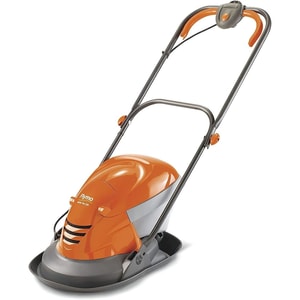
Type: Hover (corded electric) • Cutting Width: 25 cm • Power: 1400 W
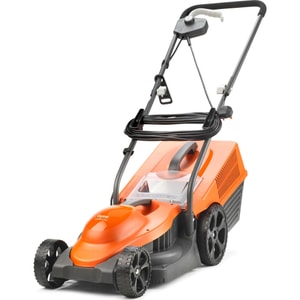
Type: Rotary (corded electric) • Cutting Width: 32 cm • Power: 1300 W
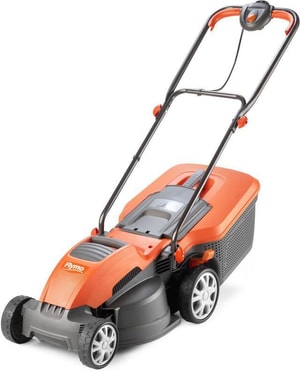
Type: Rotary (corded electric) • Cutting Width: 36 cm • Power: 1500 W
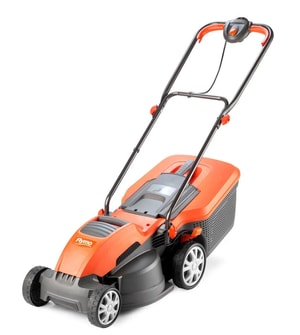
Type: Rotary (corded electric) • Cutting Width: 36 cm • Power: 1500 W
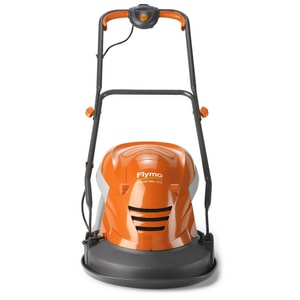
Type: Hover (corded electric) • Cutting Width: 27 cm • Power: 1400 W
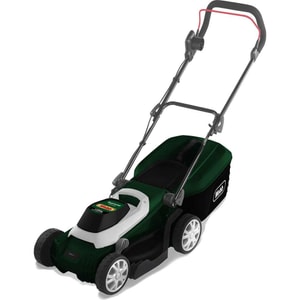
Type: Rotary (corded electric) • Cutting Width: 33 cm • Power: 1200 W
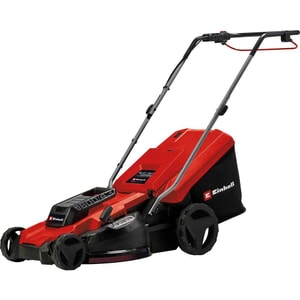
Type: Rotary (corded electric) • Cutting Width: 43 cm • Power: 1800 W
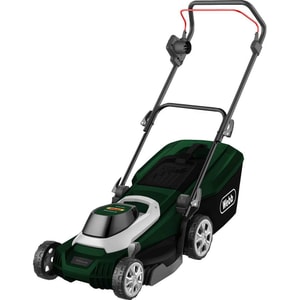
Type: Rotary (corded electric) • Cutting Width: 40 cm • Power: 1800 W
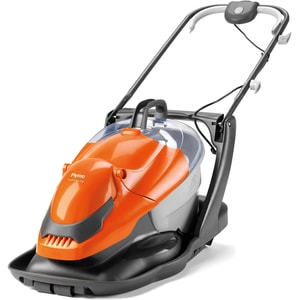
Type: Hover (corded electric) • Cutting Width: 36 cm • Power: 2000 W
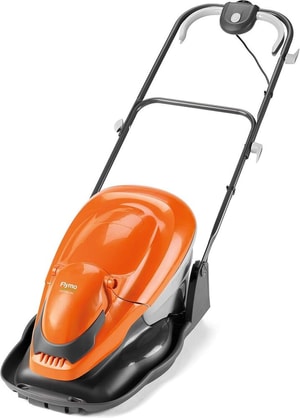
Type: Hover (corded electric) • Cutting Width: 36 cm • Power: 1800 W
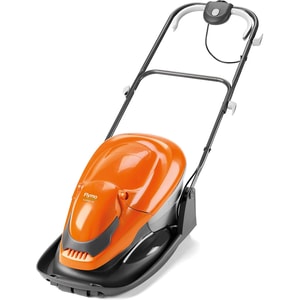
Type: Hover (corded electric) • Cutting Width: 30 cm • Power: 1700 W
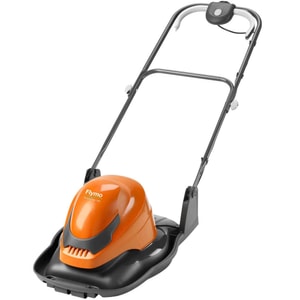
Type: Hover (corded electric) • Cutting Width: 36 cm • Power: 2000 W
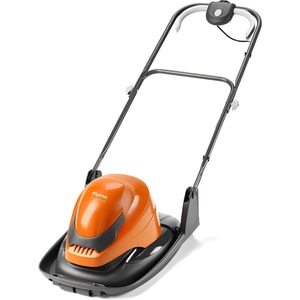
Type: Hover (corded electric) • Cutting Width: 33 cm • Power: 1700 W
Type: Hover (corded electric) • Cutting Width: 25 cm • Power: 1400 W
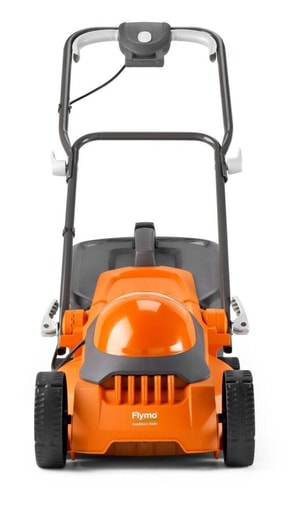
Type: Rotary (corded electric) • Cutting Width: 30 cm • Power: 1200 W
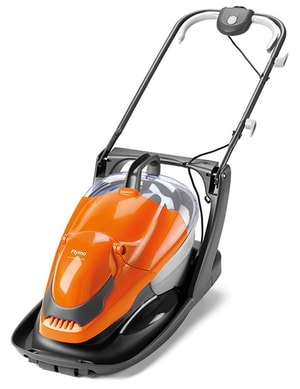
Type: Hover (corded electric) • Cutting Width: 33 cm • Power: 1700 W
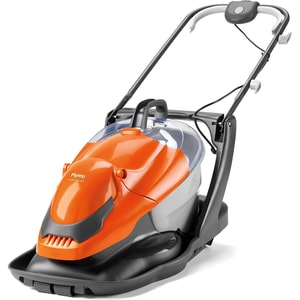
Type: Hover (corded electric) • Cutting Width: 36 cm • Power: 1800 W
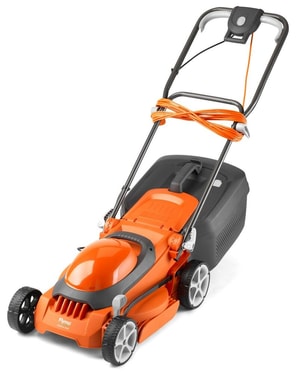
Type: Rotary (corded electric) • Cutting Width: 34 cm • Power: 1400 W
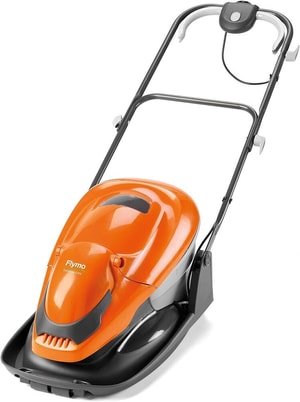
Type: Hover (corded electric) • Cutting Width: 33 cm • Power: 1700 W
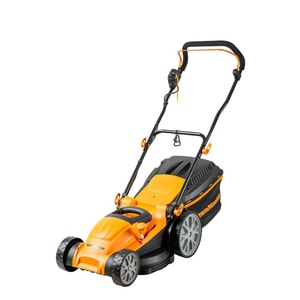
Type: Rotary (corded electric) • Cutting Width: 40 cm • Power: 1800 W
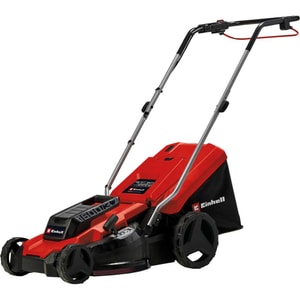
Type: Rotary (corded electric) • Cutting Width: 37 cm • Power: 1600 W
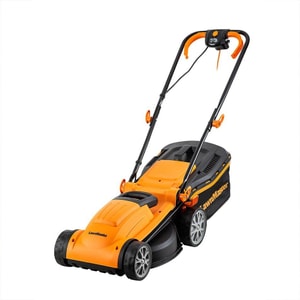
Type: Rotary (corded electric) • Cutting Width: 34 cm • Power: 1400 W
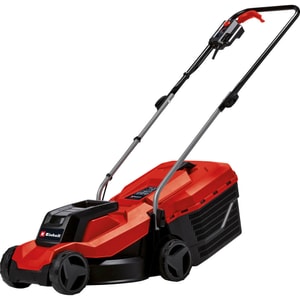
Type: Rotary (corded electric) • Cutting Width: 32 cm • Power: 1000 W
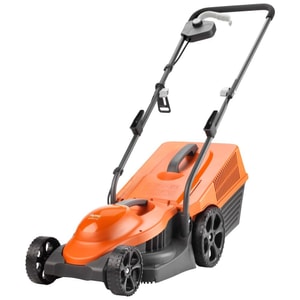
Type: Rotary (corded electric) • Cutting Width: 32 cm • Power: 1000 W
Choosing a mains electric lawnmower that suits a real UK garden
If you have a small to medium lawn and an outdoor socket within reach, a mains electric lawnmower can be a proper sensible choice. You get steady power, no battery anxiety, and far less upkeep than petrol. The key is choosing one that fits the way your garden is shaped, not just the headline number on the box. Read More...
Think about your garden on an ordinary Saturday: a narrow side passage, a few tight turns round borders, maybe a slope down towards the patio. Those details decide whether mowing feels quick and straightforward, or like you are doing three-point turns every five minutes.
Here’s a quick checklist that keeps you on track:
- Lawn size and layout first, then cutting width.
- Hover versus rotary based on how fiddly your edges are.
- Cutting height range that suits spring growth and summer dry spells.
- Collection size if you prefer a tidy finish after one pass.
- Storage and handling if you have limited shed space.
Cutting width, lawn size, and turning space
Cutting width affects how long mowing takes, but also how easy the mower is to steer. A wider deck can reduce the number of passes on an open lawn, but it can feel clumsy if you are weaving round trees, raised beds, or a tight corner near the shed. For a small garden, a compact cutting width often feels more controlled and easier to store. For a medium lawn with longer straight runs, a wider deck can speed things up, as long as you still have turning room.
If you regularly mow around obstacles, prioritise manoeuvrability. A mower that turns neatly and tracks well will often finish faster in real life than a larger one that constantly needs repositioning.
Hover or rotary: choose the feel you actually want
Electric mowers often come as hover models or rotary wheeled models. Hover mowers can be a good shout for awkward shapes and edges because they pivot easily and can feel lighter to guide around corners. They are popular for smaller gardens where you want quick turns and easy storage.
Electric rotary lawnmowers tend to suit people who like a steadier push, cleaner straight lines, and strong collection performance. If you care about a tidy, consistent finish and you do not want the mower drifting about, a wheeled rotary model is usually the safer bet.
Power, cutting heights, and the damp grass reality
You will often see mains models described by watts. Higher power can help keep the mower moving when grass is thicker, slightly damp, or growing quickly, but design matters too: the deck, blade, and airflow all affect how cleanly it cuts and collects.
Cutting height adjustment is worth treating as a must-have, not a bonus. In spring you might want a regular, lighter cut. In summer, keeping the height slightly higher can help the lawn look less stressed. A mower with simple, quick height changes is one you will actually use properly, instead of leaving it on one setting all season.
Features that make mowing quicker and the finish look smarter
Once you have the basic type right, features decide how pleasant the weekly job feels. The best choices are the ones you notice every time you mow, not the ones that only look good on a spec list.
Grass collection, grass box size, and mulching options
If you like the lawn looking clean straight after a cut, collection is the simplest route. A larger grass box can reduce emptying trips, which matters most when the lawn is growing fast. Look for a box that is easy to lift and tip without clippings spilling everywhere.
Mulching suits a different routine. It works best when you mow little and often, returning fine clippings to the lawn surface. If you sometimes miss a week and come back to longer grass, collection is typically more forgiving and less messy.
Rear rollers, stripes, and cleaner edges
If you love a striped finish, an electric lawnmower with a rear roller is well worth considering. It helps the mower track neatly and lays the grass in a consistent direction, giving a more “finished” look without extra effort. It can add weight, though, so it is most appealing when your lawn is fairly straightforward and you value presentation.
Edge performance matters too. A mower that gets closer to borders reduces the time you spend tidying afterwards, especially around patios, raised beds, and fence lines.
Handling, storage, and the little details you feel every weekend
Weight and balance matter more than people expect, particularly if you have steps, a narrow gate, or a shed lip to lift over. Folding handles, comfortable grips, and stable wheels make mowing feel calmer and more controlled. If storage is tight, check whether the mower folds down neatly or stores upright without feeling awkward.
Cable management is another quiet win. A sensible cable hook or strain relief can stop that annoying moment where the plug loosens right as you are getting into a rhythm.
Practical UK considerations, and when to choose a different type
Mains electric mowing is straightforward, but a few practical choices make the whole setup easier to live with.
Extension leads, RCD protection, and keeping the cable out of trouble
Many homes need an extension lead to reach the far end of the lawn. The goal is simple: enough reach to cover the mowing area, and a routine that keeps the cable behind you and away from the cutting path. A mower with decent cable strain relief can also reduce accidental unplugging when you turn.
It is also worth treating safety gear as part of the purchase. Outdoor power and damp grass are not the place for shortcuts, so RCD protection and outdoor-suitable kit are sensible considerations for most gardens.
When cordless is simply easier
If your garden is long, split into sections, or full of obstacles, the cable can become the main frustration rather than the mower itself. In those cases, a cordless lawnmower can be the better lifestyle fit, even if the upfront cost is higher. It is often the difference between mowing little and often, and letting the grass get away from you.
When petrol or a robot earns its keep
If you have a larger lawn, thicker grass, or longer sessions that demand sustained power, petrol models can feel more comfortable. If your priority is keeping the lawn consistently tidy with minimal hands-on time, robot lawnmowers are designed for regular maintenance cutting, though edges still usually need attention.
The finishing kit for borders and tight corners
Even a great mower cannot reach every awkward bit. For borders, posts, and narrow edges, a grass trimmer is the tool that makes the lawn look properly neat. It is the final pass that turns “mowed” into “well kept”, especially around beds, fences, and the edge of a patio.