
Pressure Washers
- Relevance
- Price: Low - High
- Price: High - Low
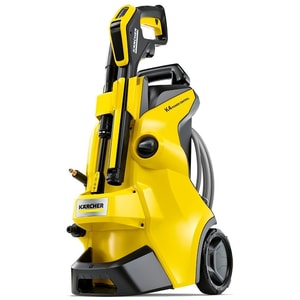
Max Pressure: 130 bar • Max Flow Rate: 420 L/h • Hose Length: 8 m
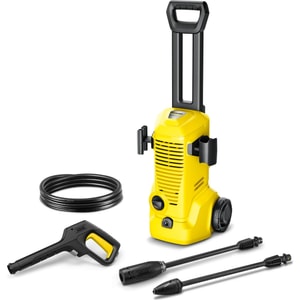
Max Pressure: 110 bar • Max Flow Rate: 360 L/h • Hose Length: 4 m
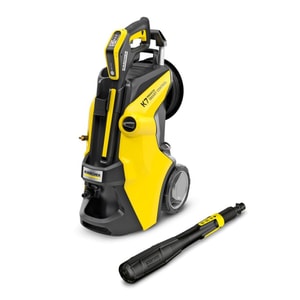
Max Pressure: 180 bar • Max Flow Rate: 550 L/h • Hose Length: 10 m
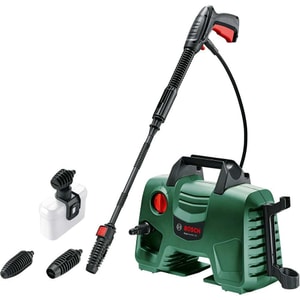
Max Pressure: 120 bar • Max Flow Rate: 350 L/h • Hose Length: 5 m
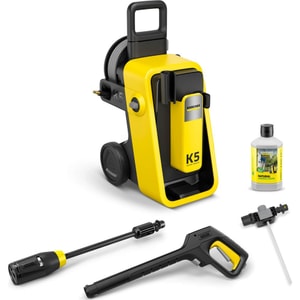
Max Pressure: 145 bar • Max Flow Rate: 500 L/h • Hose Length: 10 m
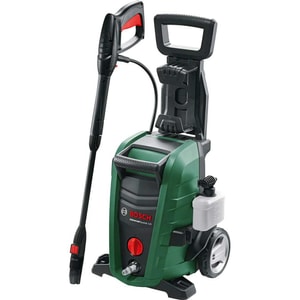
Max Pressure: 135 bar • Max Flow Rate: 410 L/h • Hose Length: 7 m
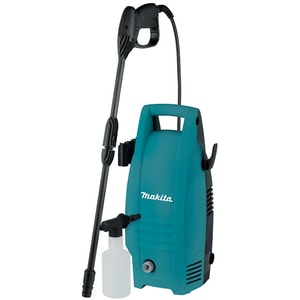
Max Pressure: 100 bar • Max Flow Rate: 360 L/h • Hose Length: 3 m
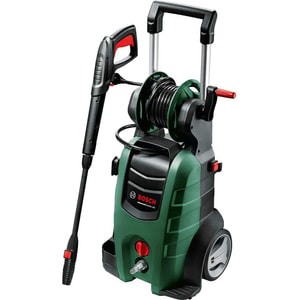
Max Pressure: 140 bar • Max Flow Rate: 450 L/h • Hose Length: 8 m
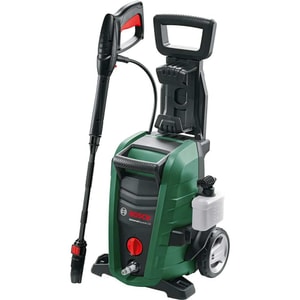
Max Pressure: 125 bar • Max Flow Rate: 360 L/h • Hose Length: 5 m
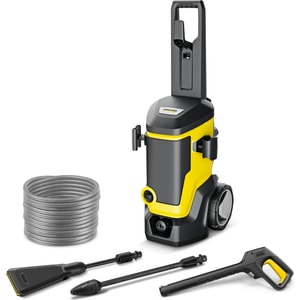
Max Pressure: 180 bar • Max Flow Rate: 550 L/h • Hose Length: 10 m
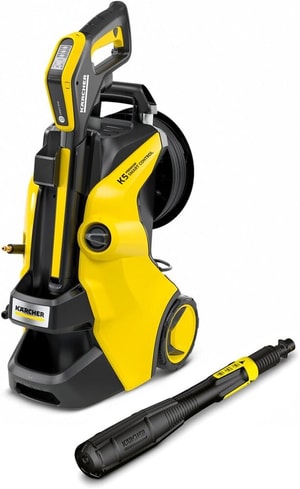
Max Pressure: 145 bar • Max Flow Rate: 500 L/h • Hose Length: 10 m
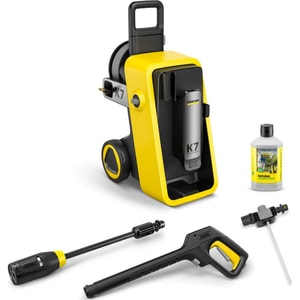
Max Pressure: 180 bar • Max Flow Rate: 550 L/h • Hose Length: 10 m
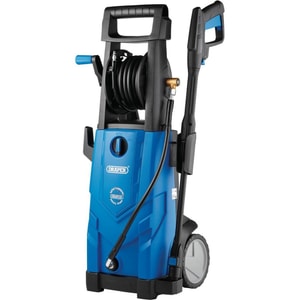
Max Pressure: 165 bar • Max Flow Rate: 492 L/h • Hose Length: 6 m
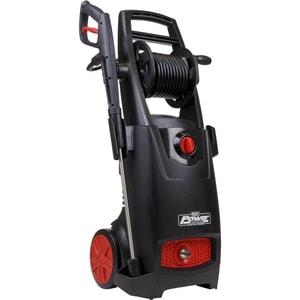
Max Pressure: 170 bar • Max Flow Rate: 468 L/h • Hose Length: 5 m
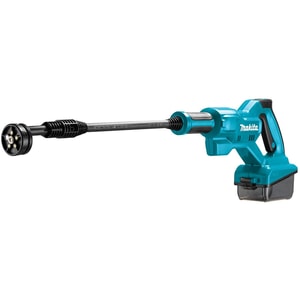
Max Pressure: 24 bar • Max Flow Rate: 150 L/h • Hose Length: 6 m
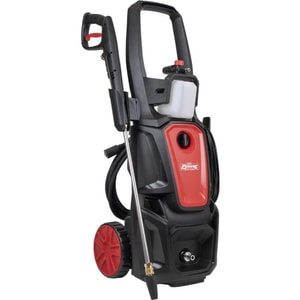
Max Pressure: 160 bar • Max Flow Rate: 462 L/h • Hose Length: 5 m
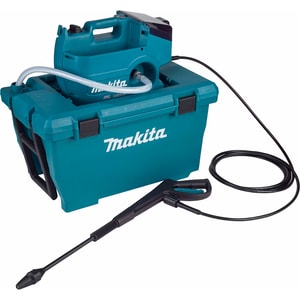
Max Pressure: 80 bar • Max Flow Rate: 380 L/h • Hose Length: 5 m
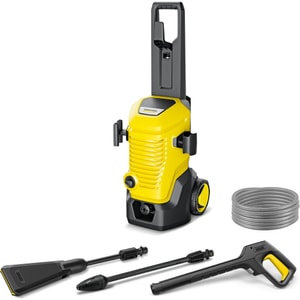
Max Pressure: 120 bar • Max Flow Rate: 380 L/h • Hose Length: 6 m
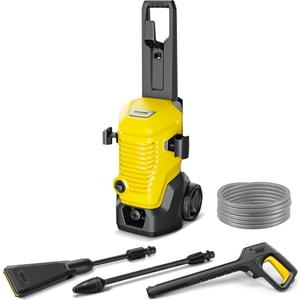
Max Pressure: 130 bar • Max Flow Rate: 420 L/h • Hose Length: 8 m
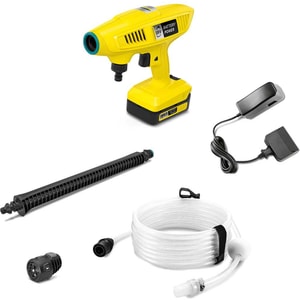
Max Pressure: 21 bar • Max Flow Rate: 170 L/h • Hose Length: 5 m
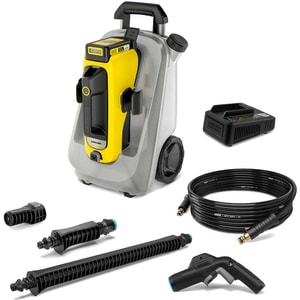
Max Pressure: 24 bar • Max Flow Rate: 200 L/h • Battery System: 18 V
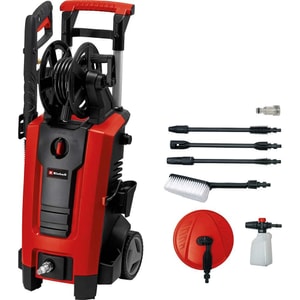
Max Pressure: 140 bar • Max Flow Rate: 420 L/h • Hose Length: 5 m
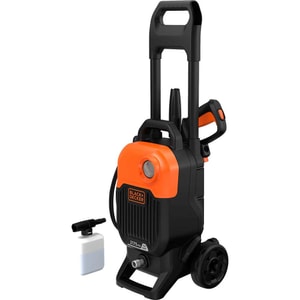
Max Pressure: 150 bar • Max Flow Rate: 450 L/h • Hose Length: 6 m
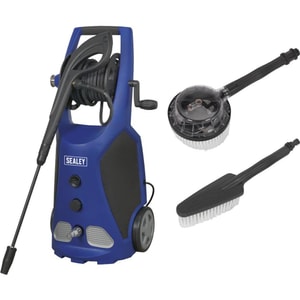
Max Pressure: 140 bar • Max Flow Rate: 420 L/h • Hose Length: 8 m
Pressure washers: choose the right jet washer for patios, driveways and cars
A pressure washer, often sold as a jet washer or jet wash in the UK, is a quick way to lift algae, grime and traffic film from outdoor surfaces without heavy scrubbing. The best results come from matching the machine to what you clean most, then adding one or two attachments that improve coverage and control. Read More...
Best for:
- Patios, paths and steps that have gone green after winter
- Driveways and block paving where dirt builds into the texture
- Cars, bikes and garden furniture when you want a controlled rinse
For a broader view of machines and add-ons, the Pressure Washers & Accessories section groups the core washers with compatible extras.
Start with the surfaces you actually clean
Most buying regrets happen when a washer is chosen by the biggest headline number, then used on surfaces that need finesse. Patios and paving reward even coverage because striping can look worse than the dirt you started with. Block paving and many driveways can take tougher cleaning, but joints and pointing need a lighter touch so you are not blasting out sand or mortar. Decking and painted timber benefit from gentler control and sensible distance, because too much pressure can raise fibres or strip fragile finishes.
For cars and bikes, control beats force. A wider spray pattern, sensible stand-off distance and detergent dwell time usually produce a better finish than getting close with a narrow jet.
Mains electric, cordless or petrol pressure washers
Most households choose a mains electric pressure washer for predictable performance on patios, paths and routine cleaning. Cordless pressure washers suit lighter jobs and awkward spots where running a cable is a nuisance, but battery runtime and charge time become part of ownership. Petrol pressure washers are generally chosen for larger, tougher jobs where portability and sustained power matter, with the trade-offs of extra weight, more noise, fuel handling and more maintenance.
Performance that matters: pressure, flow, reach and coverage
Pressure gets the attention, but cleaning speed is usually about how efficiently the washer shifts dirt across a wide area, then rinses it away. On spec sheets you will usually see pressure quoted in bar and water delivery in litres per hour.
Pressure and flow: why balance beats bragging rights
Pressure helps break grime free, and flow helps carry it away. On larger areas like patios and driveways, a washer with sensible flow often feels quicker because you spend less time reworking the same patch. For mixed jobs, adjustability is genuinely useful: dial back for paintwork and car panels, then use a stronger setting where paving can tolerate it. If you are searching for a pressure washer for car cleaning, controllable spray width and distance control are usually safer than relying on maximum pressure.
Nozzles and surface cleaners: the shortcut to an even patio finish
On flat outdoor surfaces, a surface cleaner or patio cleaner attachment can be the difference between “clean” and “properly smart”. Surface cleaners help spread the spray more evenly across slabs and decking, which reduces visible lines and helps tackle green deposits around edges and corners.
A turbo nozzle can add bite for stubborn grime, but it needs a careful hand and is not suitable for every surface, particularly where joints are fragile.
Hose length, hose reels and mobility
Reach is what makes a pressure washer feel convenient. A longer high-pressure hose reduces how often you need to move the unit, which matters on long paths, steps and driveways. A hose reel makes packing away quicker and helps reduce kinks that shorten hose life. Quick-connect fittings also make it easier to swap lances and nozzles without fuss. Solid wheels and a stable base help the washer stay put when the hose tugs.
Ownership basics: safer cleaning, storage and the add-ons that pay off
A pressure washer is a powerful tool, so the goal is cleaner surfaces without damaging what you are trying to improve.
Protecting pointing, paint, decking and softer stone
Start with a small test patch and keep the lance moving to avoid stripes or “hot spots”. Be cautious around loose pointing, cracked mortar, flaking paint and weathered timber, because pressure can exploit any weakness. On block paving, treat joints with respect and avoid lingering in one place. If you are cleaning softer natural stone, a gentler approach with even coverage is usually the safer route than trying to force quick results.
Electrical and water-supply basics
For electric pressure washers, the most common avoidable problems are damaged cables, poor connections and using equipment that has not been checked. Keep connections off wet ground, avoid running damaged kit, and ensure the water supply is steady before you start. If your water supply is limited, check the washer’s minimum requirements and use the supplied inlet filter where provided.
Accessories: build a setup that suits your regular jobs
The right attachment often improves results more than upgrading the washer itself. For patios, a surface cleaner is usually the most noticeable upgrade for consistent coverage. For cars, a foam lance is popular because it lets detergent dwell before rinsing, including snow foam style cleaning if that is your preference. Extension lances help with conservatory frames, higher walls and deep corners where leaning in reduces control.
If you want to expand over time, Pressure Washer Accessories is the natural place to add task-specific tools without replacing your main unit.
If you are doing a full outdoor refresh, it can also help to clear leaves and loose debris before washing. Tools in Blowers & Garden Vacs can make that prep quicker and keep patios and drives looking tidy afterwards.