
Board Games
- Relevance
- Price: Low - High
- Price: High - Low
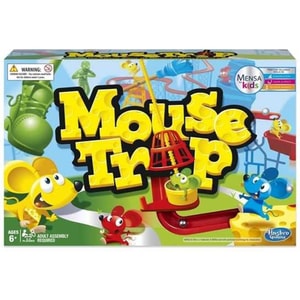
Number of players: 2-4 • Age Rating: 6+ • Playing time: 30 min
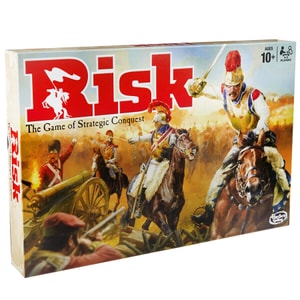
Number of players: 2-5 • Age Rating: 10+ • Playing time: 120 min

Number of players: 4-20+ • Age Rating: 12+ • Playing time: 60 min
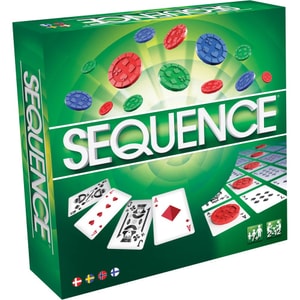
Number of players: 2-12 • Age Rating: 7+ • Playing time: 10-30 min
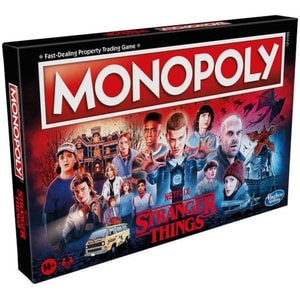
Number of players: 2-6 • Age Rating: 14+ • Playing time: 60 - 90 min
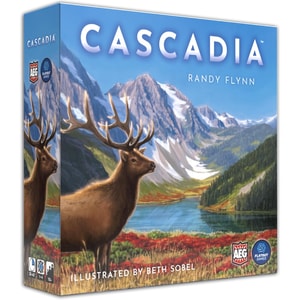
Number of players: 1-4 • Age Rating: 10+ • Playing time: 30-45 min
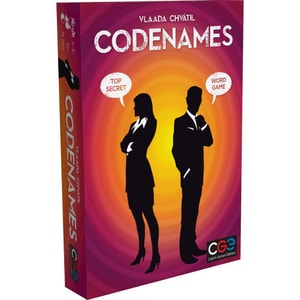
Number of players: 4-8 • Age Rating: 10+ • Playing time: 15 mins

Number of players: 2 • Age Rating: 14+ • Playing time: 20 min
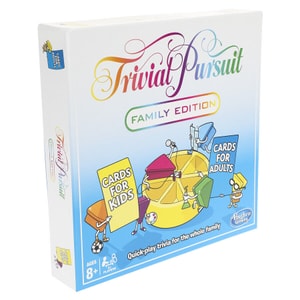
Number of players: 2+ • Age Rating: 8+ • Playing time: 45 - 90 min
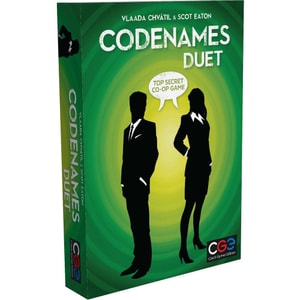
Number of players: 2+ • Age Rating: 11+ • Playing time: 15 min
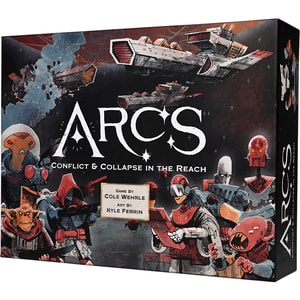
Number of players: 2-4 • Age Rating: 14+ • Playing time: 60-120 min
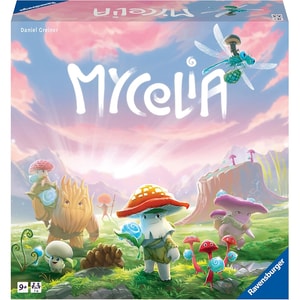
Number of players: 1-4 • Age Rating: 9+ • Playing time: 10-30 min
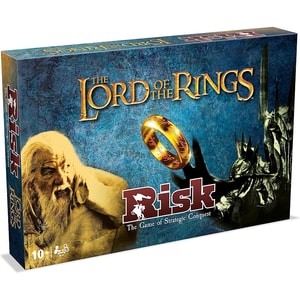
Number of players: 2-4 • Age Rating: 10+ • Playing time: 120 - 240 min
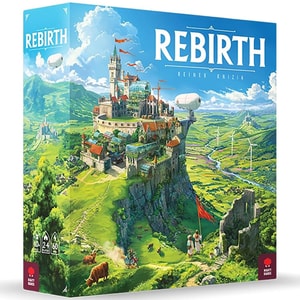
Number of players: 2-4 • Age Rating: 10+ • Playing time: 45-60 min
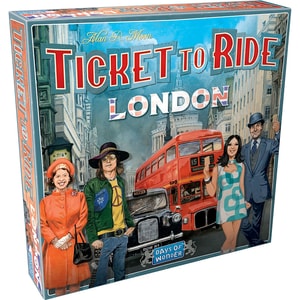
Number of players: 2-4 • Age Rating: 8+ • Playing time: 10-15 min
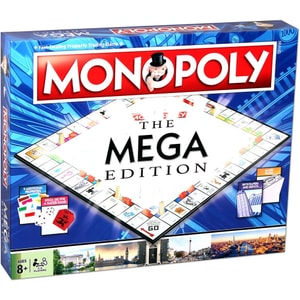
Number of players: 2-8 • Age Rating: 8+ • Playing time: 90 min

Number of players: 2-6 • Age Rating: 16+ • Playing time: 60 - 180 min
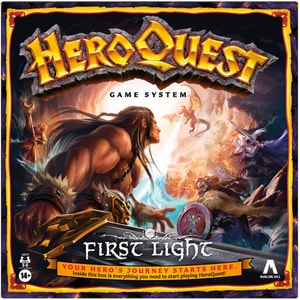
Number of players: 2-5 • Age Rating: 14+ • Playing time: 90-150 min
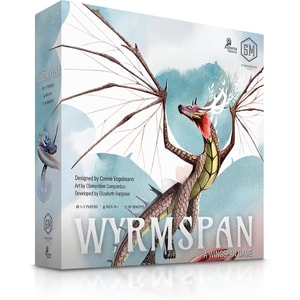
Number of players: 1-5 • Age Rating: 14+ • Playing time: 90 min
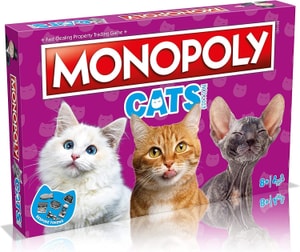
Number of players: 2-6 • Age Rating: 8+ • Playing time: 90 - 180 min

Number of players: 2-4 • Age Rating: 8+ • Playing time: 20+ min
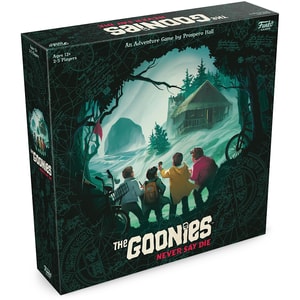
Number of players: 2-5 • Age Rating: 12+ • Playing time: 50 min
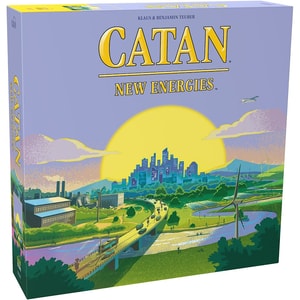
Number of players: 3-4 • Age Rating: 12+ • Playing time: 90 min

Number of players: 1-6 • Age Rating: 14+ • Playing time: 60-120 min
Board games: a simple way to make time together feel shared
Board games create a shared focus. You get conversation, small decisions, and a satisfying finish, whether you are playing competitively or working together. The best choice is not always the biggest box. It is the one that fits your group and the time you actually have. Read More...
Within Toys & Games, board games range from quick party games to deeper strategy titles. Buy smarter by starting with three decisions: who is playing, how long you want to play for, and how much learning everyone is up for.
Choose by group first: player count, ages, and the mood you want
Most disappointment comes from mismatch. A brilliant strategy game can fall flat with mixed ages and low patience, while a party game can feel thin if your group wants a proper challenge. Check the player count and typical play time, then decide whether you want relaxed fun, lively silliness, or tactical competition.
Family board games: easy turns and steady momentum
For mixed ages, look for short turns, clear progress, and simple scoring, because it keeps everyone involved. Co-op games can work well, but light competitive games are just as good when they avoid player elimination and keep play moving. If you want a dependable “works for most people” option, Family board games is a useful starting point.
Two player board games: tight decisions with no waiting
Two player board games work when both players stay involved on every turn and the rules create tension quickly. Look for replayability through varied setups or multiple strategies, rather than long campaigns. If you often play as a pair, games designed specifically for two usually feel more balanced than “2-6” boxes that only shine at higher counts.
Adults and mixed groups: decide interaction level before theme
Some groups love direct conflict and bold blocking moves. Others prefer low-conflict play where you build your own position. Decide this upfront because it changes the whole experience. If your group dislikes confrontation, drafting, engine-building, and co-op play are often safer. If you want big reactions and table talk, party games, bluffing, and social deduction can land better.
Choose by time and learning curve: the fastest way to avoid shelf sitters
Time is the hidden constraint that decides whether a game gets played. Many people want something that fits a weeknight and does not require re-learning rules every time. Keeping at least one quick, easy board game on hand makes it far more likely your collection gets used.
15 to 30 minutes: quick board games for weeknights
Quick board games are ideal for after-dinner play and for including new players, because mistakes do not feel costly. Look for short turns and a clean end condition so the game finishes crisply.
30 to 60 minutes: the sweet spot for most game nights
This range often delivers the best balance of depth and momentum. You get meaningful strategy without the game becoming a commitment. If your group includes newer players, clear player aids and simple scoring help because they keep the pace up and reduce rulebook pauses.
60 minutes and up: planned sessions and bigger experiences
Longer games shine when your group enjoys planning and staying with a decision for a while. Campaign and legacy games can be brilliant if you can commit to the same group, but if that is not realistic, a replayable standalone strategy game often gives better value. Also check setup time, because a long setup can be the real reason a game never leaves the shelf.
Style shortcuts: match the kind of fun you want
Genres matter when they help you picture the table. Start with the feeling you want and you will choose more accurately than if you start with mechanics.
Party board games: fast teaching, big energy
Party board games work when everyone participates frequently and no one is knocked out early. They suit gatherings and mixed experience levels, especially when rules can be explained in a minute and rounds move quickly.
Cooperative board games: teamwork without arguments about who is winning
Co-op games are great for shared problem-solving. If you want everyone to stay engaged, look for designs with hidden information, simultaneous choices, or individual roles, because it reduces the chance of one person running the whole table.
Strategy and deduction: satisfying decisions and replayability
Strategy games reward planning and give you more than one route to victory, which helps them stay fresh over repeat plays. Deduction games suit groups who enjoy discussion and theory-building. If you are buying your first deeper game, choose one that still teaches cleanly, because a game that feels like homework rarely becomes a favourite.
Practical checks that keep play smooth
Table footprint, storage, and readability often matter more than theme once the novelty fades. A game that sets up quickly and packs away neatly gets played more. Clear iconography, readable text, and colour-blind friendly design also help because they reduce constant clarification and keep the pace moving.
A calmer alternative for quiet evenings
Not every night calls for competition or rules learning. Jigsaws & Puzzles can suit the same “table time” mood when people want to chat while doing something with their hands.
If you enjoy exploring genres, The Ultimate Guide to Board Game Categories: Everything You Need to Know is a useful overview. For choosing what to buy, starting with group, time, and complexity will usually get you to the right shelf faster.
Quick checklist: shortlist board games with confidence
Use this as a final sense-check:
- Who is playing: two players, family mix, or a larger group
- Time you have: 15-30 minutes, 30-60 minutes, or longer
- Learning curve: easy board games for quick starts, deeper games for planned nights
- Style: party board games, cooperative board games, strategy board games, or deduction
- Practicalities: table space, readable components, and simple storage
- Staying power: replayability that fits how often you will play