
Jigsaws Puzzles
- Relevance
- Price: Low - High
- Price: High - Low
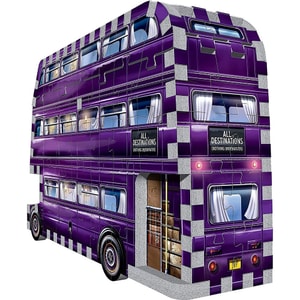
Pieces: 130 pieces • Puzzle type: 3D jigsaw puzzle • Age: 12+
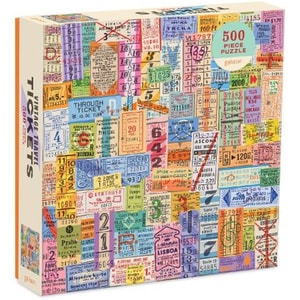
Pieces: 500 pieces • Puzzle type: Jigsaw puzzle • Age: 10+
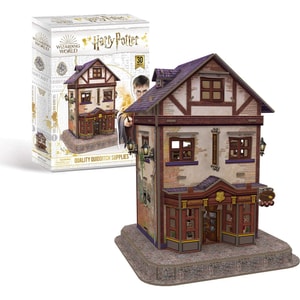
Pieces: 71 pieces • Puzzle type: 3D jigsaw puzzle • Age: 8+
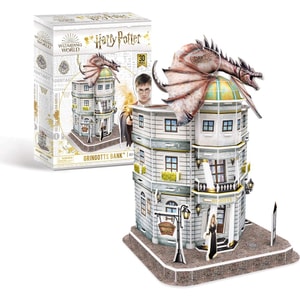
Pieces: 74 pieces • Puzzle type: 3D jigsaw puzzle • Age: 8+
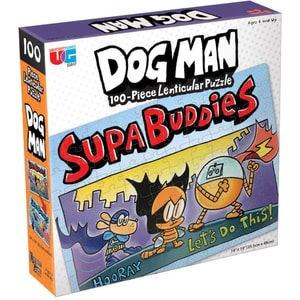
Pieces: 100 pieces • Puzzle type: Jigsaw puzzle • Age: 6+
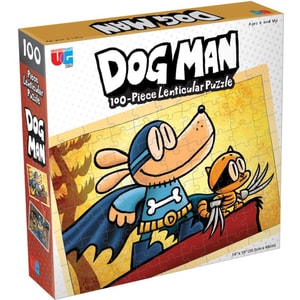
Pieces: 100 pieces • Puzzle type: Jigsaw puzzle • Age: 6+
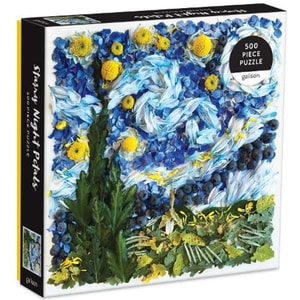
Pieces: 500 pieces • Puzzle type: Jigsaw puzzle • Age: 10+
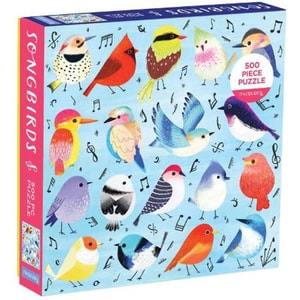
Pieces: 500 pieces • Puzzle type: Jigsaw puzzle • Age: 8+
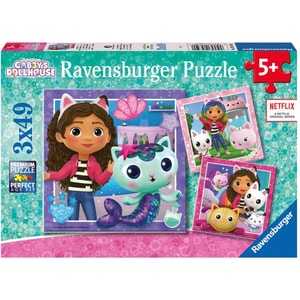
Pieces: 3 x 49 pieces • Puzzle type: Puzzle multipack • Age: 5+
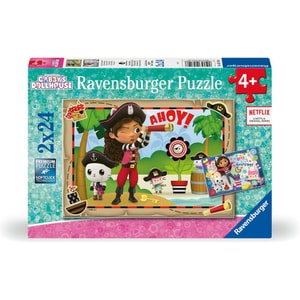
Pieces: 2 x 24 pieces • Puzzle type: Puzzle multipack • Age: 4+
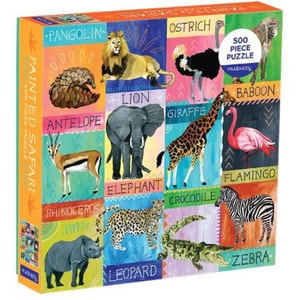
Pieces: 500 pieces • Puzzle type: Jigsaw puzzle • Age: 8+
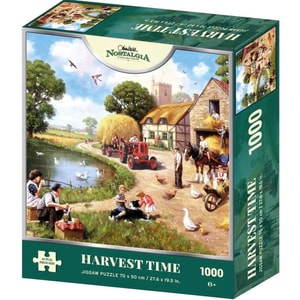
Pieces: 1000 pieces • Puzzle type: Jigsaw puzzle • Age: 6+
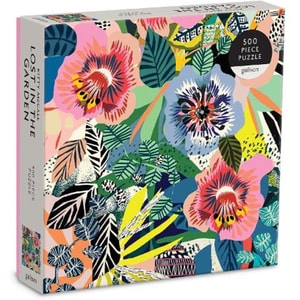
Pieces: 500 pieces • Puzzle type: Jigsaw puzzle • Age: 10+
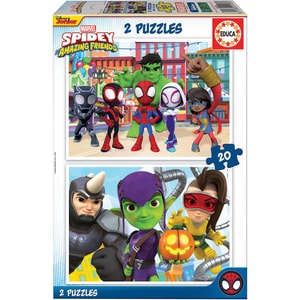
Pieces: 2 x 20 pieces • Puzzle type: Puzzle multipack • Age: 3+
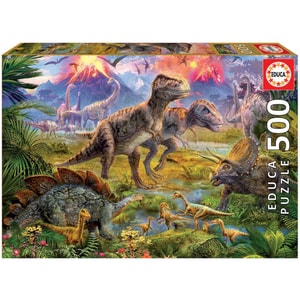
Pieces: 500 pieces • Puzzle type: Jigsaw puzzle • Age: 10+
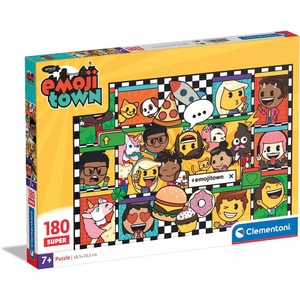
Pieces: 180 pieces • Puzzle type: Jigsaw puzzle • Age: 7+
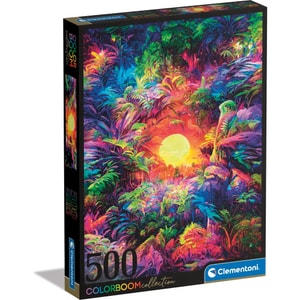
Pieces: 500 pieces • Puzzle type: Jigsaw puzzle • Age: 14+
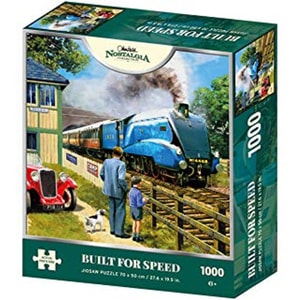
Pieces: 1000 pieces • Puzzle type: Jigsaw puzzle • Age: 6+
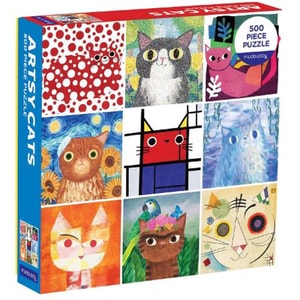
Pieces: 500 pieces • Puzzle type: Jigsaw puzzle • Age: 8+
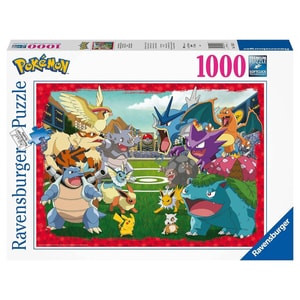
Pieces: 1000 pieces • Puzzle type: Jigsaw puzzle • Age: 12+
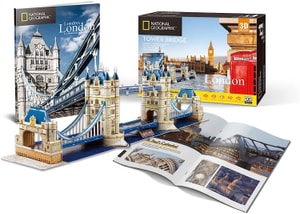
Pieces: 120 pieces • Puzzle type: 3D jigsaw puzzle • Age: 8+
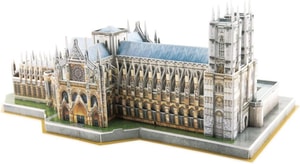
Pieces: 143 pieces • Puzzle type: 3D jigsaw puzzle • Age: 8+
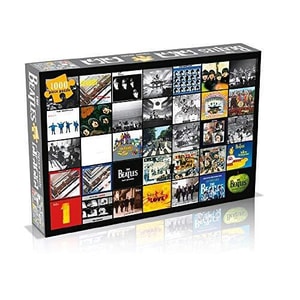
Pieces: 1000 pieces • Puzzle type: Jigsaw puzzle • Age: 12+
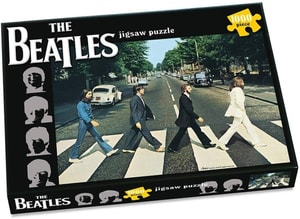
Pieces: 1000 pieces • Puzzle type: Jigsaw puzzle • Age: 12+
Jigsaws and puzzles: a calmer kind of challenge that fits real evenings
Jigsaws and puzzles are a satisfying way to slow down without feeling like you have “done nothing”. You can spend ten minutes finding edge pieces, or settle in for a longer session that feels genuinely absorbing. The best puzzles create steady progress and a rewarding finish, whether you are buying for yourself, for children, or for a whole table that likes working together. Read More...
Within Toys & Games, this category covers classic jigsaw puzzles, family puzzles designed for shared table time, children’s puzzles with smaller piece counts, and 3D puzzles that become display pieces. Choosing well is mostly about matching difficulty and piece count to your patience, your space, and the kind of evening you want.
Choose the type first: classic jigsaws, family puzzles, or 3D builds
Before you get caught up on artwork, decide what sort of “puzzle experience” you want. The format changes how the activity feels, how long it takes, and whether it suits solo focus or group time.
Classic jigsaw puzzles: the steady, satisfying option
A classic jigsaw puzzle is the familiar flat build: find corners, build the frame, then work through colours and details. This format suits most households because it is flexible. You can dip in and out, leave it out for a few days, and make progress in small chunks.
If you enjoy a calm pace, choose artwork you genuinely like looking at for hours. If you enjoy a challenge, choose scenes with subtle colour shifts or repeated textures, where the satisfaction comes from careful sorting rather than quick obvious matches.
Family puzzles: shared table time without a rules lesson
Family puzzles are designed to be social and accessible. They often use clearer images, stronger contrast, and a piece count that makes progress feel steady rather than slow. The benefit is simple: anyone can join in, do a section, and feel useful without needing to “learn” anything first.
If your household likes variety, a family puzzle can sit alongside faster table-time options like Board Games, giving you a quieter alternative for evenings when you want conversation and shared focus rather than competition.
3D puzzles: build-and-display satisfaction
A 3D puzzle is a different kind of pleasure. Instead of assembling a flat picture, you build a model that stands up: landmarks, themed vehicles, or architectural builds. This is a good fit if you like hands-on construction and the idea of keeping the finished piece on a shelf rather than packing it away.
If you enjoy the building part as much as the end result, you may also enjoy LEGO, because the appeal is similar: structured progress, spatial reasoning, and a finished build you can display.
Pick the piece count: match the puzzle to your time and space
Piece count is not just a number. It predicts how long the puzzle is likely to take, how much table space you will need, and whether the experience will feel relaxing or demanding. Two people can complete the same puzzle at very different speeds, but piece count remains the best simple guide for buying.
49 to 200 pieces: quick wins and confidence-building
Lower piece counts suit children, beginners, and anyone who wants a satisfying finish without turning it into a project. They also work well for mixed attention spans, because you get visible progress quickly. For kids jigsaws, bold images and clear shapes tend to keep the experience enjoyable rather than frustrating.
If you are buying for younger puzzlers, look for sturdy pieces and strong colour contrast. That keeps the focus on finding matches, not on struggling to interpret tiny details.
300 to 500 pieces: the sweet spot for relaxed progress
A 500 piece puzzle often hits the perfect balance. It is long enough to feel absorbing, but short enough to complete over one or two sittings. This range suits adults who want a calm evening activity and families who want something they can finish without leaving it out all week.
If you are gifting and you are unsure of their patience level, 300 to 500 pieces is usually a safe, widely enjoyed choice.
1000 pieces and beyond: a proper project
A 1000 piece jigsaw is where puzzling becomes a longer project. These puzzles reward patience and sorting, and they usually work best when you can leave them set up between sessions. They are ideal if you enjoy slow progress and detailed artwork that stays interesting as the build develops.
If you want the challenge but do not want frustration, choose detailed images with lots of distinct areas. If you actively want a “hard jigsaw puzzle”, choose subtle gradients, repeated patterns, or large areas of similar texture that force careful comparison.
What makes a puzzle harder than the piece count suggests
Two puzzles with the same number of pieces can feel completely different. Difficulty is usually driven by the image, the colour palette, and how varied the piece cut is, not only the total piece count.
Image complexity: busy can be easier than “simple”
A busy illustration can be easier than a minimalist design because you can sort by obvious sections: people, buildings, signage, colour blocks. By contrast, large areas of sky, sea, or one-colour background can be surprisingly difficult because many pieces look similar.
If you want a relaxing puzzle, choose images with clear landmarks and distinct colours. If you want a challenge, choose subtle artwork, monochrome themes, or repeated textures.
Piece cut and quality: why the build can feel smoother
A varied cut with distinctive shapes can make matching feel more satisfying, because you are using both shape and image. More uniform cuts can increase difficulty, especially in similar-colour areas. Fit matters too: a good fit makes progress feel confident, whereas loose fits can make the puzzle feel fussy.
If you plan to frame the finished puzzle, choosing a puzzle that feels sturdy and “locks” well can make the final stage much easier.
Accessibility: large piece puzzles and calmer pacing
If you want a more comfortable build, consider large piece puzzles or designs with bold, high-contrast artwork. They can be enjoyable for families, beginners, and anyone who prefers less eye strain. A calmer puzzle that gets completed is usually better value than an ultra-hard puzzle that stalls halfway.
Practical extras that make puzzling easier and more enjoyable
A few small accessories can make a big difference, particularly for 500 and 1000 piece puzzles. Sorting trays (or shallow bowls) help you separate edges, colours, and repeated patterns, which speeds up the part that can otherwise feel messy.
A puzzle board gives you a stable surface, and it is especially helpful if you need to move the puzzle between sessions. A roll-up puzzle mat can be useful when table space is limited, although boards tend to feel more rigid and secure for larger projects. If you want to keep the finished puzzle, puzzle glue and a backing board can turn it into wall art, which works particularly well for photography and artwork designs.
Quick checklist: shortlist jigsaws and puzzles with confidence
Use this to narrow options without overthinking it:
- Decide the format: classic jigsaw for steady progress, family puzzles for shared table time, 3D puzzles for build-and-display
- Pick the piece count for your schedule: 49–200 for quick wins, 300–500 for relaxed progress, 1000+ for a longer project
- Match difficulty to your mood: clear images for calm sessions, subtle gradients and repeats for a challenge
- Plan the space: enough table room to leave it out, or a board or mat if you need to pack away
- Make it smoother: sorting trays for speed, and glue if you want to frame the finish