
Bean To Cup Coffee Machines
A bean to cup coffee machine grinds whole beans on demand, doses, brews and steams milk in one go, so café-style drinks land in front of you in under a minute. We've pulled together models from the brands UK kitchens actually buy, with built-in grinders and milk systems sized for daily use.
- Relevance
- Price: Low - High
- Price: High - Low
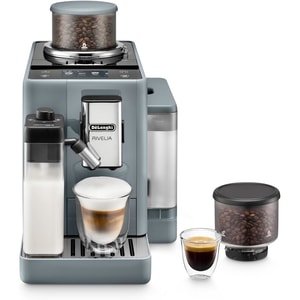
Bean-to-Cup • Compatible Coffee Whole beans & ground coffee • Water Tank Capacity: 1.4 L
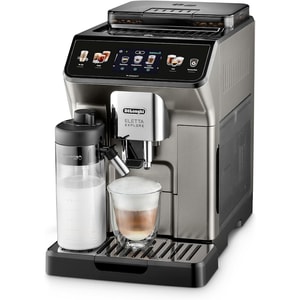
Type: Bean-to-Cup • Compatible Coffee Type: Whole beans & ground coffee • Water Tank Capacity: 1.8 L
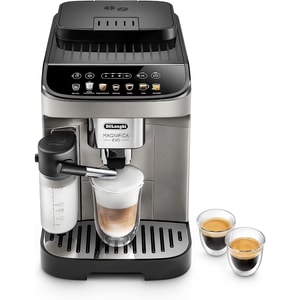
Type: Bean-to-Cup • Compatible Coffee Type: Whole beans & ground coffee • Water Tank Capacity: 1.8 L
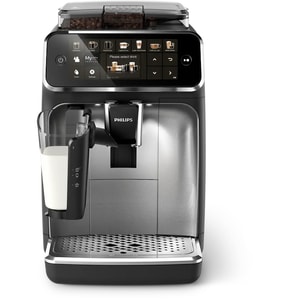
Type: Bean-to-Cup • Compatible Coffee Type: Whole beans & ground coffee • Water Tank Capacity: 1.8 L
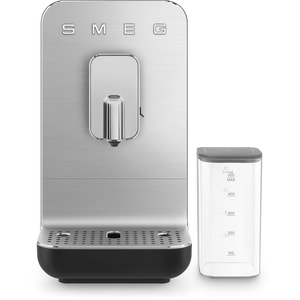
Bean-to-Cup • Compatible Coffee Whole beans • Water Tank Capacity: 1.4 L
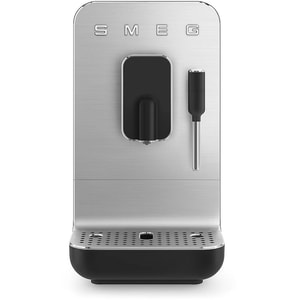
Bean-to-Cup • Compatible Coffee Whole beans • Water Tank Capacity: 1.4 L
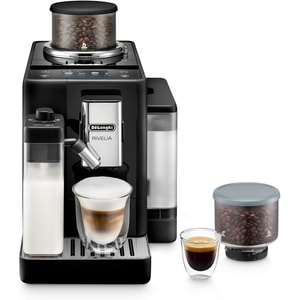
Bean-to-Cup • Compatible Coffee Whole beans & pre-ground coffee • Water Tank Capacity: 1.4 L
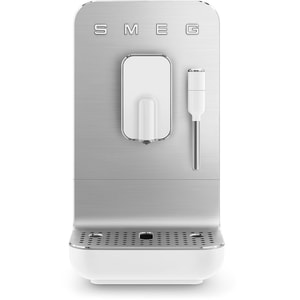
Bean-to-Cup • Compatible Coffee Whole beans • Water Tank Capacity: 1.4 L
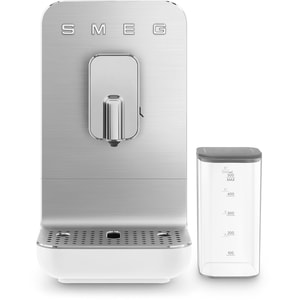
Bean-to-Cup • Compatible Coffee Whole beans • Water Tank Capacity: 1.4 L
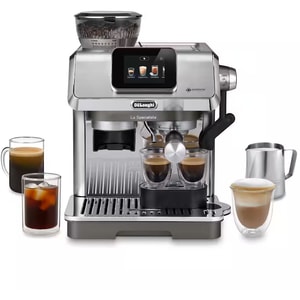
Type: Bean-to-Cup • Compatible Coffee Type: Whole beans & ground coffee • Water Tank Capacity: 1.8 L
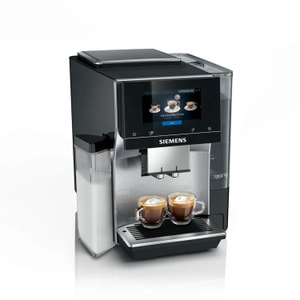
Type: Bean-to-Cup • Compatible Coffee Type: Whole beans • Water Tank Capacity: 2.4 L
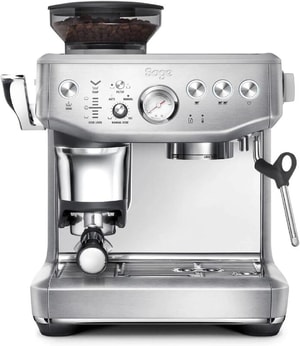
Type: Bean-to-Cup • Compatible Coffee Type: Whole beans • Water Tank Capacity: 2 L
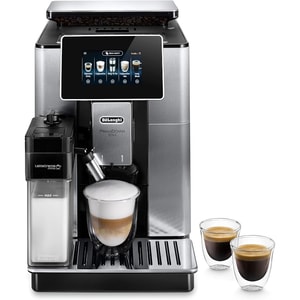
Type: Bean-to-Cup • Compatible Coffee Type: Whole beans & ground coffee • Water Tank Capacity: 2.2 L
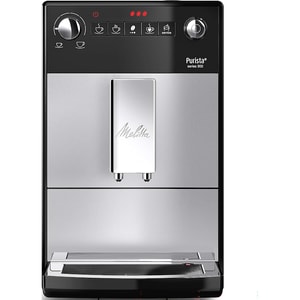
Bean-to-Cup • Compatible Coffee Whole beans • Water Tank Capacity: 1.2 L
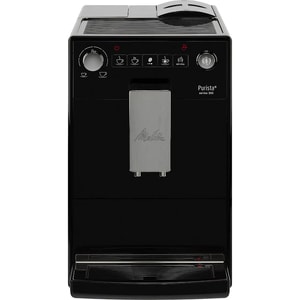
Bean-to-Cup • Compatible Coffee Whole beans • Water Tank Capacity: 1.2 L
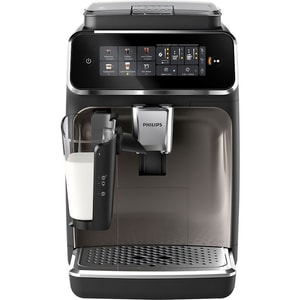
Type: Bean-to-Cup • Compatible Coffee Type: Whole beans & ground coffee • Water Tank Capacity: 1.8 L
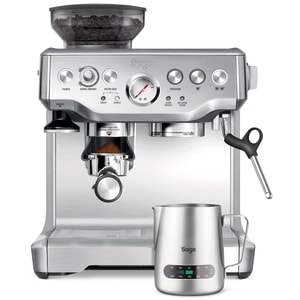
Type: Bean-to-Cup • Compatible Coffee Type: Whole beans & pre-ground coffee • Water Tank Capacity: 2 L
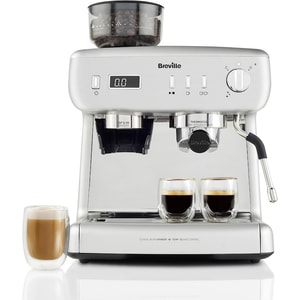
Type: Bean-to-Cup • Compatible Coffee Type: Whole beans & ground coffee • Water Tank Capacity: 2.9 L
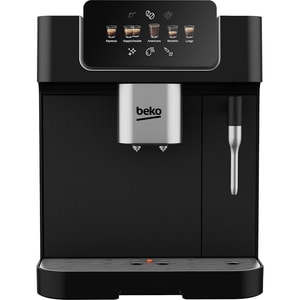
Type: Bean-to-Cup • Compatible Coffee Type: Whole beans & ground coffee • Water Tank Capacity: 2 L
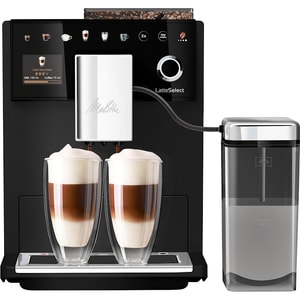
Type: Bean-to-Cup • Compatible Coffee Type: Coffee beans & ground coffee • Water Tank Capacity: 1.8 L
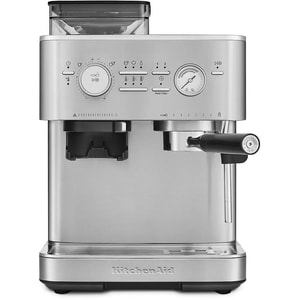
Type: Bean-to-Cup • Compatible Coffee Type: Whole beans & ground coffee • Water Tank Capacity: 2.5 L
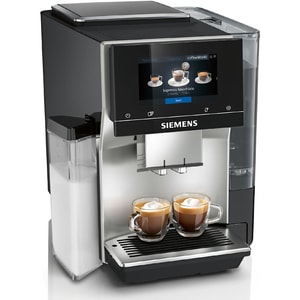
Type: Bean-to-Cup • Compatible Coffee Type: Whole beans & ground coffee • Water Tank Capacity: 2.4 L
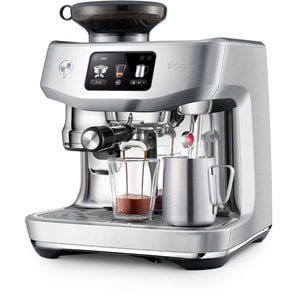
Type: Bean-to-Cup • Compatible Coffee Type: Whole beans & ground coffee • Water Tank Capacity: 2.3 L
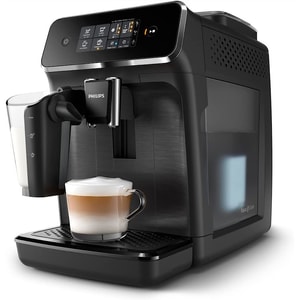
Type: Bean-to-Cup • Compatible Coffee Type: Whole beans & ground coffee • Water Tank Capacity: 1.8 L
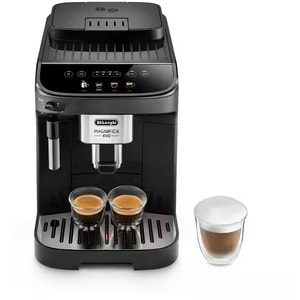
Type: Bean-to-Cup • Compatible Coffee Type: Whole beans & ground coffee • Water Tank Capacity: 1.8 L
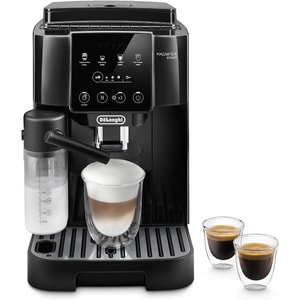
Type: Bean-to-Cup • Compatible Coffee Type: Whole beans & ground coffee • Water Tank Capacity: 1.8 L
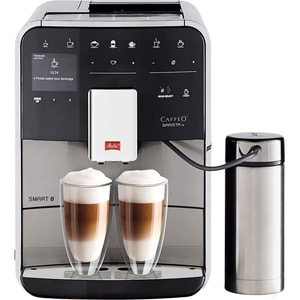
Type: Bean-to-Cup • Compatible Coffee Type: Whole beans • Water Tank Capacity: 1.8 L
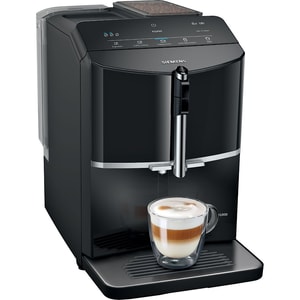
Type: Bean-to-Cup • Compatible Coffee Type: Whole beans • Water Tank Capacity: 1.4 L
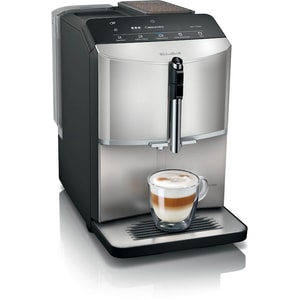
Type: Bean-to-Cup • Compatible Coffee Type: Coffee beans • Water Tank Capacity: 1.4 L
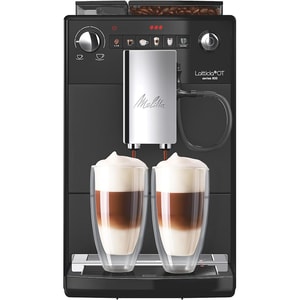
Type: Bean-to-Cup • Compatible Coffee Type: Whole beans • Water Tank Capacity: 1.5 L
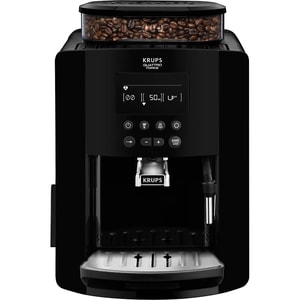
Type: Bean-to-Cup • Compatible Coffee Type: Whole beans & ground coffee • Water Tank Capacity: 1.7 L
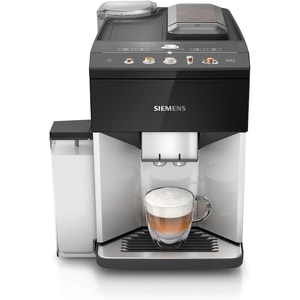
Type: Bean-to-Cup • Compatible Coffee Type: Whole beans & pre-ground coffee • Water Tank Capacity: 1.9 L
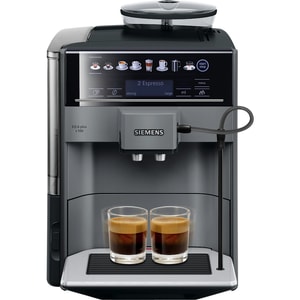
Type: Bean-to-Cup • Compatible Coffee Type: Whole beans & ground coffee • Water Tank Capacity: 1.7 L
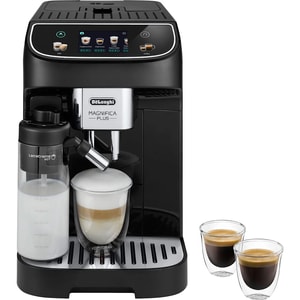
Type: Bean-to-Cup • Compatible Coffee Type: Whole beans & ground coffee • Water Tank Capacity: 1.9 L
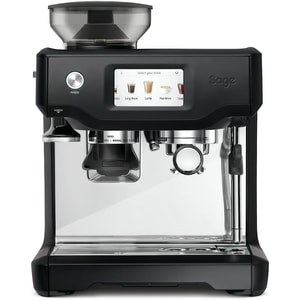
Type: Bean-to-Cup • Compatible Coffee Type: Whole beans & ground coffee • Water Tank Capacity: 2 L
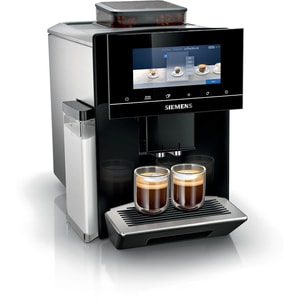
Type: Bean-to-Cup • Compatible Coffee Type: Coffee beans • Water Tank Capacity: 2.3 L
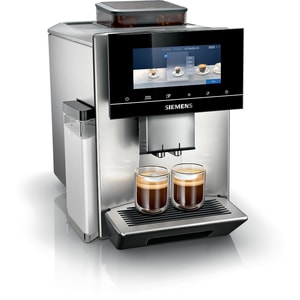
Type: Bean-to-Cup • Compatible Coffee Type: Whole beans • Water Tank Capacity: 2.3 L
What a bean to cup coffee machine actually does for you
The pitch is simple: whole beans go in, fresh espresso comes out, milk gets steamed without you lifting a jug. That's the appeal over a pod machine (better flavour range, lower cost per cup) and over a manual espresso setup (no learning curve, no timing the shot). For a household drinking two or more milk drinks a day, the maths works quickly. For someone who drinks one black coffee a week, a cheaper kit makes more sense. Read More...
How to match a machine to your kitchen
Four questions sort most of the choice for you: what you actually drink, how much room you've got, how you want milk handled, and what you're prepared to spend. Work through them in that order and the shortlist gets short fast.
How many drinks, and what kind?
If it's mostly espresso and the occasional flat white, an entry-level bean to cup with a steam wand will do the job and keep the counter clear. If the household runs on lattes and cappuccinos, look for an automatic milk carafe with adjustable foam, or a one-touch milk system. Models in the De'Longhi Magnifica, Philips 2200/3300 and Siemens EQ300 lines sit at the practical end of this; Sage, the De'Longhi Eletta and Primadonna, and Siemens EQ900 sit at the indulgent end.
Counter space and water tank
Tanks on this kind of machine run from around 1.2 litres up to nearly 3 litres. A 1.4-litre tank is fine for a couple, a 1.8-litre tank is the household sweet spot, and anything 2 litres and up earns its keep in a busy kitchen or a small office. Compact models tend to be 1.2 to 1.4 litres and prioritise depth over height; tall units want a high cupboard clearance for the bean hopper lid.
Milk: carafe, wand, or both?
A built-in milk carafe is the path of least resistance: pour milk in, push a button, get a cappuccino. A manual steam wand rewards a bit of practice with better microfoam and more control. Some Sage and De'Longhi La Specialista models give you both routes on the same machine.
Budget bands in plain terms
Around the £250 to £400 mark you'll find capable single-boiler machines with a steam wand, ideal for a first bean to cup. Between £400 and £700 you start getting one-touch milk drinks, larger tanks and quieter grinders. Above £700, expect dual heat systems, multiple user profiles, app control and the longest list of preset drinks. Watch Black Friday, Boxing Day and the January sales for the steepest drops on premium models, especially Sage and Siemens EQ900.
Things first-time buyers wish they'd checked
The spec sheet sells you on drinks menus and design. The things that decide whether you still love the machine in year three are duller: water, access, and what you put in the hopper.
Hard water and descaling
Most of the UK is hard-water territory, which is rough on the boiler and the brew unit. Look for a hardness setting, a slot for a water filter cartridge, and clear descaling prompts. A skipped descale cycle is the single most common reason these machines fail early.
Cleaning access
A removable brew group that rinses under the tap, a front-pull water tank and an easy-empty grounds bin will save you ten irritations a week. Fully sealed brew systems (common on some Siemens and Philips models) need automated cleaning programmes instead.
Beans matter more than you think
Start with a medium roast from a UK roaster you trust, keep them sealed and at room temperature, and refill the hopper little and often. Very oily dark roasts can clog the grinder chute over time, so go medium-dark at most for daily use.
Frequently Asked Questions
If you drink two or more coffees a day, yes. Cost per cup is markedly lower with whole beans, flavour is fresher because the grind happens seconds before extraction, and you stop generating pod waste. For one cup a week, a pod machine or filter setup is the more honest answer.
An espresso machine usually expects you to grind, dose and tamp yourself. A bean to cup machine integrates the grinder, doser and brew unit and does it all on one button. Some models, like the Sage Barista Touch and De'Longhi La Specialista, blur the line by automating the grind while leaving you the steam wand.
Brands you'll typically see in UK kitchens include De'Longhi, Sage, Siemens, Philips, Smeg, Melitta, Krups, Breville, KitchenAid and Beko. De'Longhi and Philips dominate the entry and mid range; Siemens and Sage lean premium; Smeg sells on looks and a strong build.
Most models include a bypass doser for a single scoop of pre-ground coffee, which is handy for an occasional decaf without emptying the bean hopper. A few models accept whole beans only, so check the spec line if you want the flexibility.
For one or two drinkers, a 1.2 to 1.4 litre tank is fine. A four-cup-a-day household is happiest with 1.8 litres or more. Anything heading towards a small office benefits from 2 litres and up, plus a plumbed-in filter habit.
The grinder is the loudest part, and it runs for around five to ten seconds per drink. Most modern bean to cup machines sit at the volume of normal conversation rather than a kitchen blender. Putting the machine on a rubber mat and away from the wall noticeably softens the sound.
Yes, and follow the prompt rather than the calendar. Hard-water areas can trigger a descale every six to eight weeks, soft-water areas every three to four months. Use the manufacturer's descaler or a recommended equivalent, and run the cycle the moment the light comes on.
Comfortably. The £250 to £500 band is where most UK households land, and it covers strong all-rounders from De'Longhi (Magnifica Start and Magnifica Evo), Philips 2200 Series, Beko, Krups and Melitta. Spend more if you specifically want one-touch milk drinks, multiple user profiles or dual heat systems.