
Espresso Machines
Espresso machines split into a few clear camps: hands-on manual brewers with a portafilter, one-touch bean-to-cup automatics, and pod machines that take ESE. Choosing the right one comes down to how involved you want to be at the bench, and how often you steam milk.
- Relevance
- Price: Low - High
- Price: High - Low
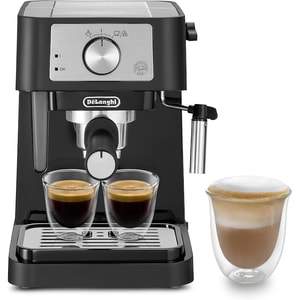
Espresso • Compatible Coffee Ground coffee & ESE pods • Water Tank Capacity: 1 L
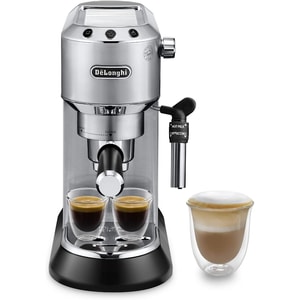
Espresso • Compatible Coffee Ground coffee & ESE Pods • Water Tank Capacity: 1.1 L
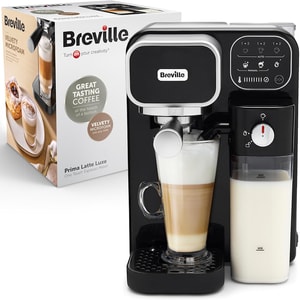
Type: Espresso • Compatible Coffee Type: Ground coffee & ESE Pods • Water Tank Capacity: 1.4 L
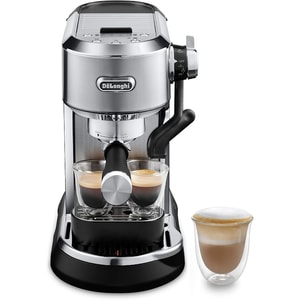
Type: Espresso • Compatible Coffee Type: Ground coffee & ESE Pods • Water Tank Capacity: 1.6 L
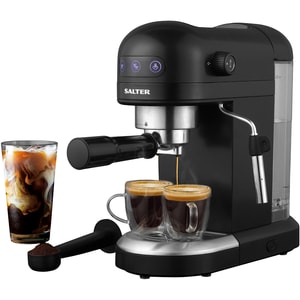
Type: Espresso • Compatible Coffee Type: Ground coffee • Water Tank Capacity: 1.4 L
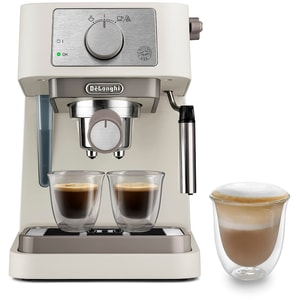
Espresso • Compatible Coffee Ground coffee & ESE pods • Water Tank Capacity: 1 L
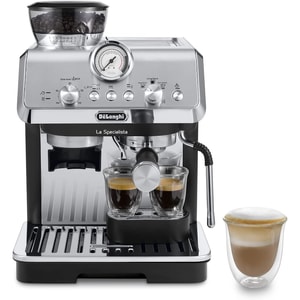
Bean-to-Cup • Compatible Coffee Whole beans & ground coffee • Water Tank Capacity: 1.5 L
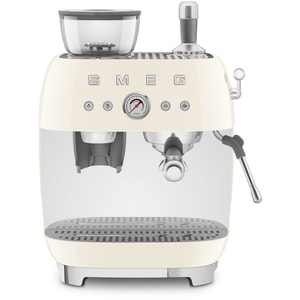
Espresso • Compatible Coffee Whole beans • Water Tank Capacity: 2.4 L
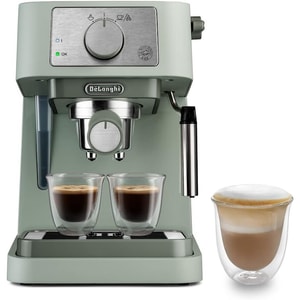
Espresso • Compatible Coffee Ground coffee & ESE pods • Water Tank Capacity: 1 L
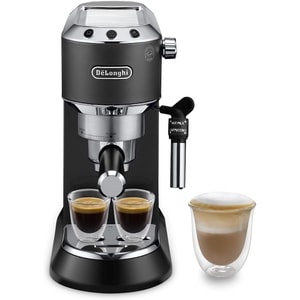
Espresso • Compatible Coffee Ground coffee & ESE Pods • Water Tank Capacity: 1.1 L
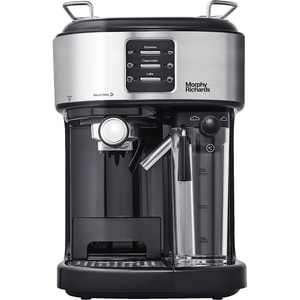
Type: Espresso • Compatible Coffee Type: Ground coffee • Water Tank Capacity: 1.5 L
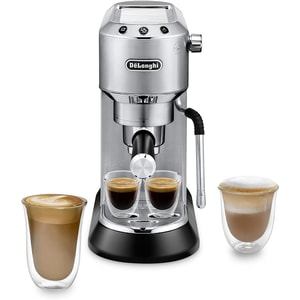
Espresso • Compatible Coffee Ground coffee & ESE Pods • Water Tank Capacity: 1.1 L
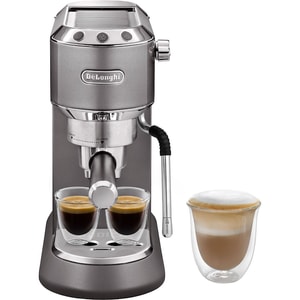
Espresso • Compatible Coffee Ground coffee & ESE Pods • Water Tank Capacity: 1.1 L
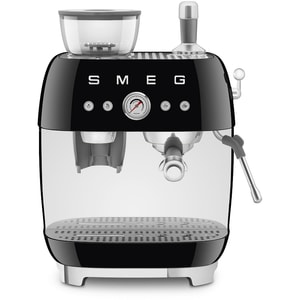
Bean-to-Cup • Compatible Coffee Whole beans • Water Tank Capacity: 2.4 L
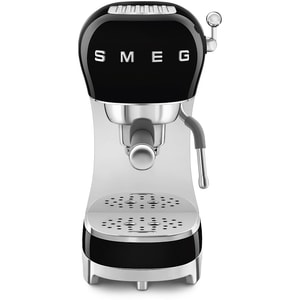
Espresso • Compatible Coffee Ground coffee & ESE Pods • Water Tank Capacity: 1.1 L
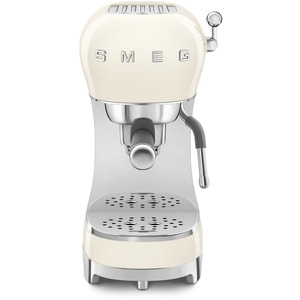
Espresso • Compatible Coffee Ground coffee • Water Tank Capacity: 1.1 L
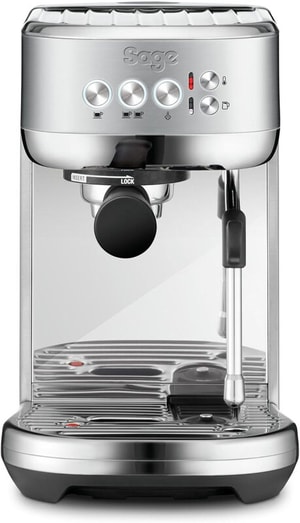
Type: Espresso • Compatible Coffee Type: Ground coffee • Water Tank Capacity: 1.9 L
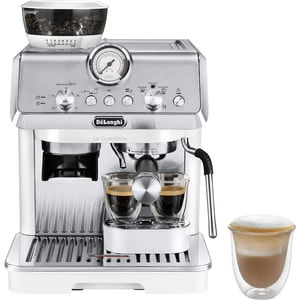
Espresso • Compatible Coffee Whole beans & ground coffee • Water Tank Capacity: 1.5 L
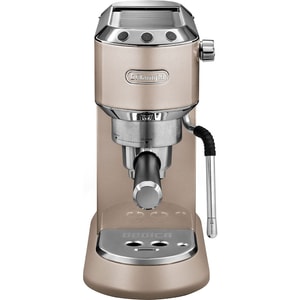
Espresso • Compatible Coffee Ground coffee & ESE Pods • Water Tank Capacity: 1.0 L
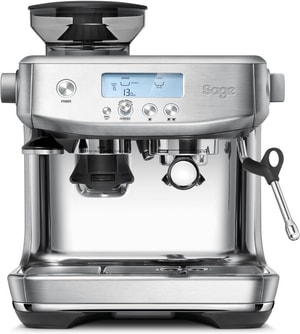
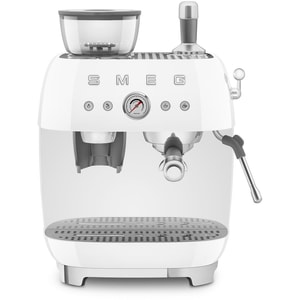
Bean-to-Cup • Compatible Coffee Whole beans • Water Tank Capacity: 2.4 L
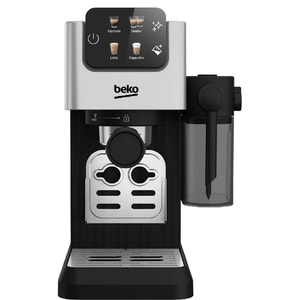
Type: Espresso • Compatible Coffee Type: Ground coffee • Water Tank Capacity: 1.1 L
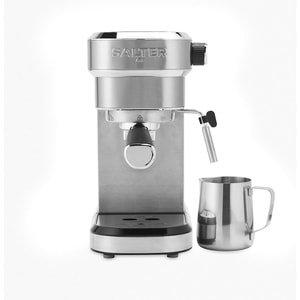
Type: Espresso • Compatible Coffee Type: Ground coffee • Water Tank Capacity: 1.1 L
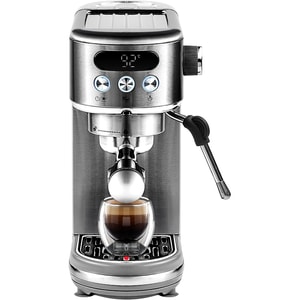
Type: Espresso • Compatible Coffee Type: Ground coffee • Water Tank Capacity: 1.2 L
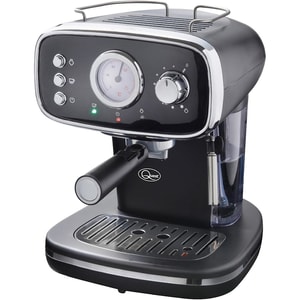
Type: Espresso • Compatible Coffee Type: Ground coffee • Water Tank Capacity: 1.2 L
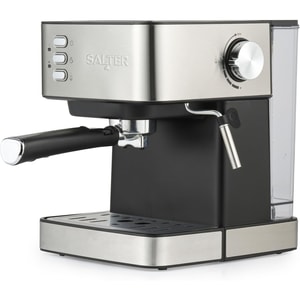
Type: Espresso • Compatible Coffee Type: Ground coffee • Water Tank Capacity: 1.6 L
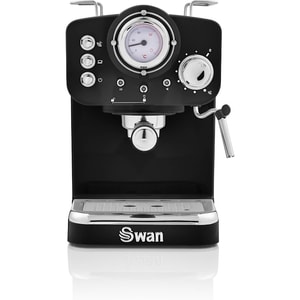
Type: Espresso • Compatible Coffee Type: Ground coffee & ESE Pods • Water Tank Capacity: 1.2 L
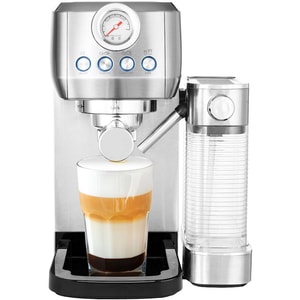
Type: Espresso • Compatible Coffee Type: Ground coffee & ESE Pods • Water Tank Capacity: 1.3 L
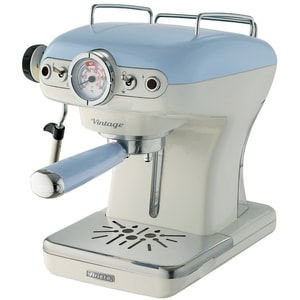
Type: Espresso • Compatible Coffee Type: Ground coffee & ESE Pods • Water Tank Capacity: 0.9 L
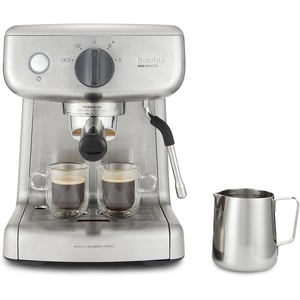
Type: Espresso • Compatible Coffee Type: Ground coffee • Water Tank Capacity: 2 L
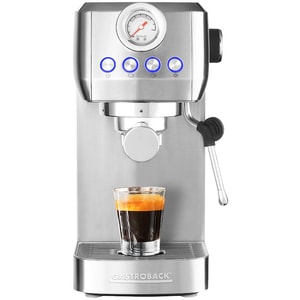
Type: Espresso • Compatible Coffee Type: Ground coffee & ESE Pods • Water Tank Capacity: 1.3 L
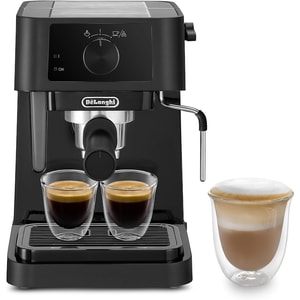
Type: Espresso • Compatible Coffee Type: Ground coffee & ESE Pods • Water Tank Capacity: 1 L
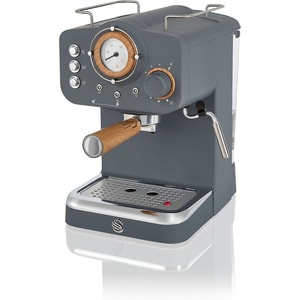
Type: Espresso • Compatible Coffee Type: Ground coffee & ESE Pods • Water Tank Capacity: 1.2 L
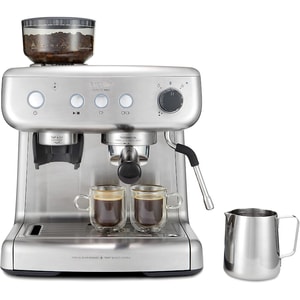
Type: Espresso • Compatible Coffee Type: Whole beans & ground coffee • Water Tank Capacity: 2.8 L
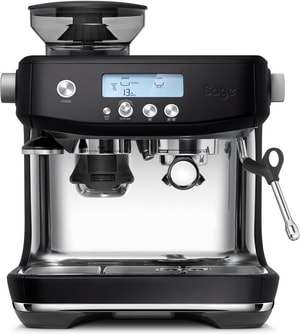
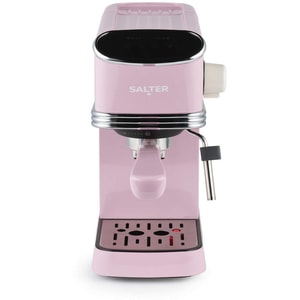
Espresso • Compatible Coffee Ground coffee • Water Tank Capacity: 1.4 L
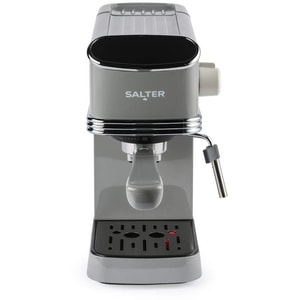
Espresso • Compatible Coffee Ground coffee • Water Tank Capacity: 1.4 L
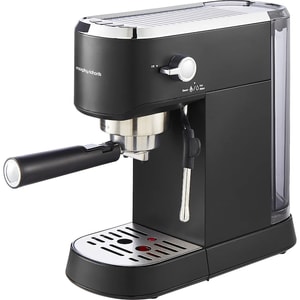
Espresso • Compatible Coffee Ground coffee & coffee pods • Water Tank Capacity: 1 L
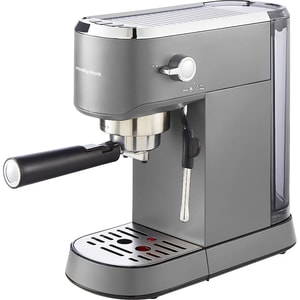
Espresso • Compatible Coffee Ground coffee & coffee pods • Water Tank Capacity: 1 L
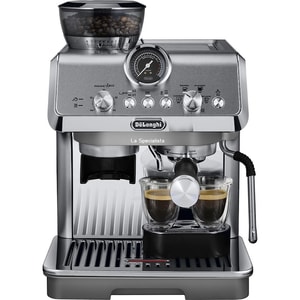
Type: Espresso • Compatible Coffee Type: Coffee beans & ground coffee • Water Tank Capacity: 1.5 L
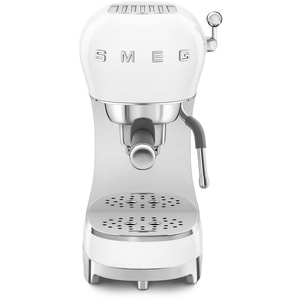
Espresso • Compatible Coffee Ground coffee & ESE Pods • Water Tank Capacity: 1.1 L
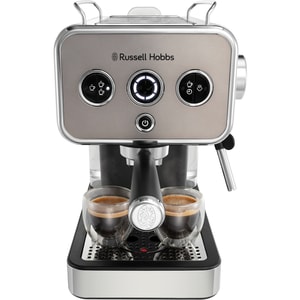
Type: Espresso • Compatible Coffee Type: Ground coffee • Water Tank Capacity: 1.1 L
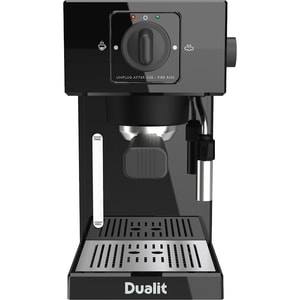
Type: Espresso • Compatible Coffee Type: Ground coffee & ESE Pods • Water Tank Capacity: 1.4 L
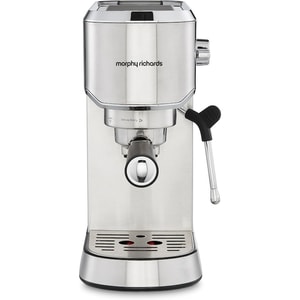
Type: Espresso • Compatible Coffee Type: Ground coffee & ESE Pods • Water Tank Capacity: 1 L
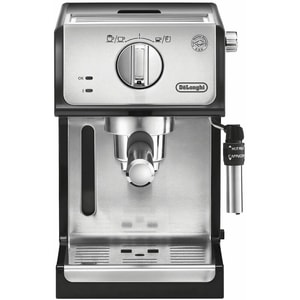
Type: Espresso • Compatible Coffee Type: Ground coffee & ESE Pods • Water Tank Capacity: 1.1 L
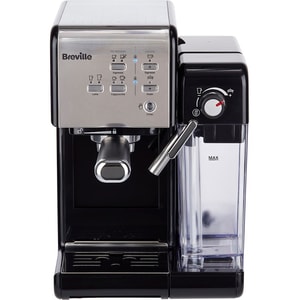
Type: Espresso • Compatible Coffee Type: Ground coffee & ESE Pods • Water Tank Capacity: 1.4 L
Which kind of espresso machine actually suits you?
Three formats cover almost everyone. A manual or semi-automatic machine uses a portafilter, so you grind, dose, tamp and pull the shot yourself. It rewards practice and gives you the most control over taste. A bean-to-cup machine grinds, doses and brews at one touch, which is the path of least resistance for busy mornings. A pod machine that takes ESE sits between the two: less mess than ground coffee, more flexibility than proprietary capsules. Read More...
If you only ever drink long blacks, a simpler pump espresso model is plenty. If milk drinks dominate, prioritise the milk side before chasing extraction extras.
Ground coffee, ESE pods or whole beans?
Ground coffee and ESE pods is the most common compatibility on this page, which gives you a choice each morning between a quick pod and a freshly ground shot. Whole beans means you'll want a built-in grinder or a separate one, and the result is fresher in the cup. ESE pods are paper-wrapped 44mm pucks, not Nespresso capsules, so check before you stock up.
Features that genuinely change the cup
The three things that move taste more than anything else are grinder quality, brew temperature stability and milk steaming. A built-in burr grinder with fine adjustment beats a pre-ground tin every time. Stable temperature, ideally with a PID or selectable settings, keeps shots from running sour or bitter. Pre-infusion, where the puck gets a low-pressure soak before the shot, helps even extraction.
Steam wand or automatic milk carafe?
A steam wand gives you proper microfoam and the option of latte art, and it's standard on most semi-automatics here. An automatic milk carafe trades a little texture for one-touch repeatability and is forgiving when several people make milk drinks daily. Both are well represented.
How much should you spend?
Entry-level pump machines from Salter, Morphy Richards, Swan and Quest sit at the affordable end and handle ground coffee or ESE without fuss. The mid-range is dense with De'Longhi (Stilosa, Dedica, Dedica Arte) and Smeg's retro-styled units, where you start to get better steam wands and tighter build. Premium territory brings the Sage Barista line, De'Longhi La Specialista, and Breville Barista Max, which add built-in grinders and more refined milk systems. A higher price almost always buys a better grinder and more thermal control, not flashier styling.
Kitchen fit and daily use
Measure twice. Several taller machines need cabinet clearance for the bean hopper or top-fill water tank. Built-in grinders are loud for a few seconds, which matters in open-plan kitchens. Front-access water tanks and removable brew groups make daily cleaning realistic rather than aspirational. Hard-water areas should plan for descaling every few weeks; a softening filter inside the tank stretches that interval.
When deals tend to land
Espresso machines see their sharpest UK price drops around Black Friday, Boxing Day, January sales and Amazon Prime Day. Premium Sage, Smeg and De'Longhi models in particular tend to discount harder during these windows.
Frequently Asked Questions
A semi-automatic uses a portafilter and asks you to grind, dose, tamp and start the shot. A bean-to-cup automates all of that behind a single button. Semi-automatics give you more control over flavour; bean-to-cup machines give you speed and consistency.
No. ESE pods are 44mm paper-wrapped pucks of ground coffee that fit standard portafilters with an ESE adapter. Nespresso capsules are sealed aluminium pods that only work with their own machines. Most pump espresso machines on this page take ESE, not Nespresso.
Only if you want to use whole beans without buying a separate grinder. If you're happy with pre-ground or ESE pods, a non-grinder model is cheaper and easier to clean. If you want the freshest cup and plan to dial in shots, a built-in burr grinder pays back quickly.
Compact pump machines fit in roughly 15cm of width, but you also need height clearance for the water tank lid and depth for the portafilter handle. Bean-to-cup units and machines with a built-in grinder are taller, often 35cm plus, and need front access for refilling.
Yes. Any machine here with a steam wand or automatic milk carafe can do milk drinks. A wand needs a little practice to roll the milk into microfoam; a carafe handles it for you. Whole milk steams most forgivingly, but barista oat does a respectable job.
An entry-level pump machine from De'Longhi, Salter or Morphy Richards under the £100 to £150 mark is the usual starting point. They handle ground coffee and ESE, have a basic steam wand, and produce real espresso once you dial in your dose.
It depends on water hardness. In hard-water UK areas, every four to six weeks is sensible; in soft-water areas you can stretch to two or three months. Use the manufacturer's descaler or a generic citric-acid solution if the manual allows it, and never skip the rinse cycles.
The biggest discounts land around Black Friday and Cyber Monday, with a second wave during Boxing Day and the January sales. Amazon Prime Day in summer is the other reliable window, especially for De'Longhi and Sage models.