
Grey Kettles
A grey kettle is the safe bet that still looks intentional. It works against white, oak, sage or matt black cabinets without competing for attention. This page brings together cordless jug kettles in light, slate, graphite and matte finishes from the brands UK kitchens actually use.
- Relevance
- Price: Low - High
- Price: High - Low
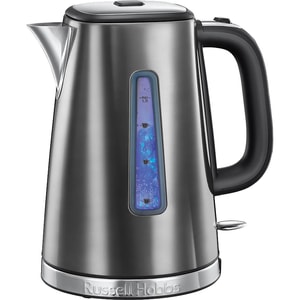
Cordless Jug Kettle • Capacity: 1.7 L • 3000 W
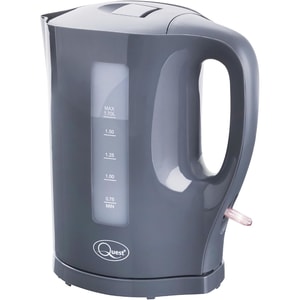
Type: Cordless jug kettle • Capacity: 1.7 L • Power: 2200 W
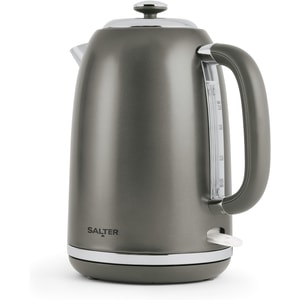
Type: Cordless jug kettle • Capacity: 1.7 L • Power: 3000 W
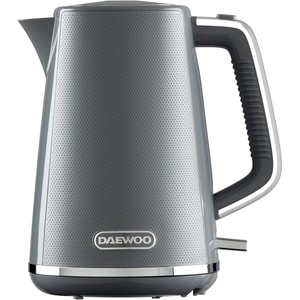
Type: Cordless jug kettle • Capacity: 1.7 L • Power: 3000 W
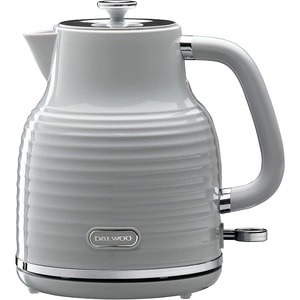
Type: Cordless jug kettle • Capacity: 1.7 L • Power: 3000 W
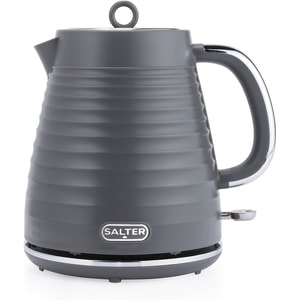
Type: Cordless jug kettle • Capacity: 1.7 L • Power: 3000 W
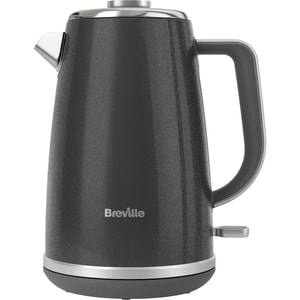
Type: Cordless jug kettle • Capacity: 1.7 L • Power: 3000 W
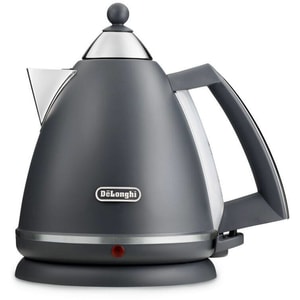
Type: Cordless jug kettle • Capacity: 1.7 L • Power: 3000 W
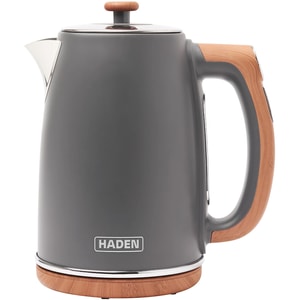
Type: Cordless jug kettle • Capacity: 1.7 L • Power: 3000 W
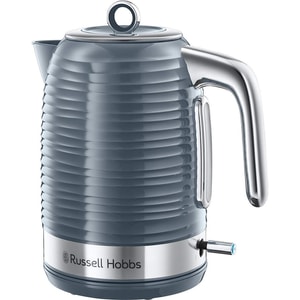
Cordless Jug Kettle • Capacity: 1.7 L • 3000 W
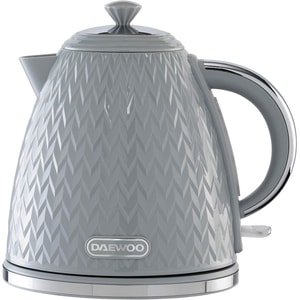
Cordless Jug Kettle • Capacity: 1.7 L • 3000 W
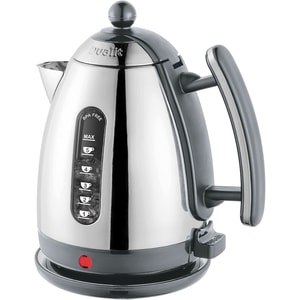
Cordless Jug Kettle • Capacity: 1.5 L • 3000 W
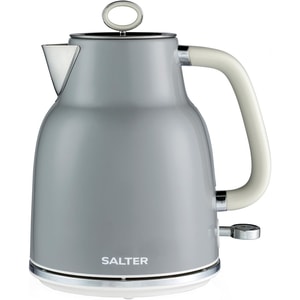
Cordless Jug Kettle • Capacity: 1.7 L • 3000 W
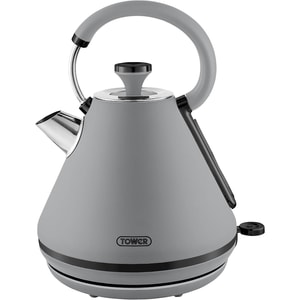
Cordless Jug Kettle • Capacity: 1.7 L • 3000 W
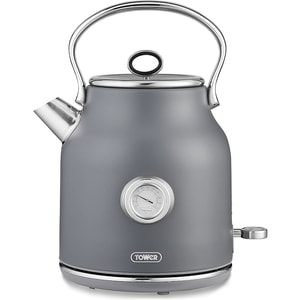
Cordless Jug Kettle • Capacity: 1.7 L • 3000 W
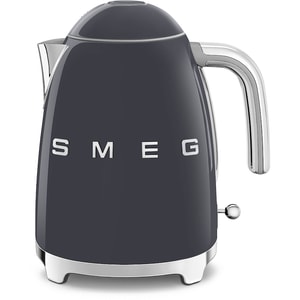
Type: Cordless Jug Kettle • Capacity: 1.7 L • Power: 3000 W
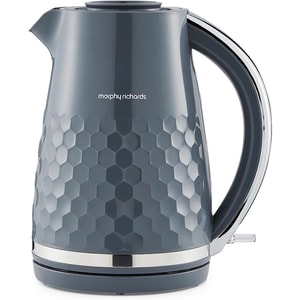
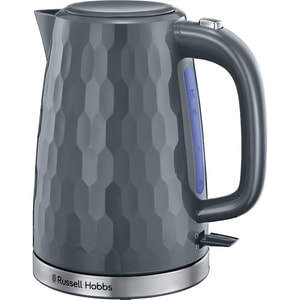
What makes a grey kettle worth buying
Grey is the colour that ages well. Light grey reads soft and Scandi against pale wood; slate and graphite read sharper next to white quartz or matt black handles. Either way, you avoid the dated risk of a strong colour and the smudge-magnet reality of pure black. A grey kettle is a long-term choice, which matters because a kettle gets used several times a day for years. The decisions that matter come down to shade, finish, shape and a handful of specs that change the everyday experience. Read More...
Light grey, dark grey or matte?
Light grey opens up smaller kitchens and pairs cleanly with oak, beech and white units. Dark grey, sometimes called slate or graphite, gives weight to a minimalist scheme and contrasts well with brass or copper hardware. A matte grey finish hides fingerprints and water spots better than gloss, so it suits households that don't want to polish a kettle every week. Gloss looks crisper and reflects more light, which can be the right call in a darker corner.
Retro shape or straight jug?
The classic cordless jug is the workhorse: smaller footprint, fast pour, easy to fill under a tap. Retro shapes (think pyramid bodies and dome-lid silhouettes) take more worktop room but give the kitchen a focal point. Smeg's 50s grey is the obvious feature piece, with Tower's pyramid and Morphy Richards' Accents range bringing similar character at lower price brackets.
Specs that change the everyday experience
Grey kettles look similar from the outside, but small differences in power, capacity and controls turn into noticeable differences over a year of daily boils. Three numbers do most of the work: wattage for speed, litres for household size, and the presence or absence of variable temperature for how you actually drink your tea or coffee.
Power and boil time
3 kW is the UK standard for fast boil and what most grey kettles in this category run. A 2 kW model boils noticeably slower, which is fine for one cup but adds up at family scale. If two minutes a morning matters, hold out for 3000 W.
Capacity for your household
A 1.7 litre body covers six to seven mugs, which suits most UK families and shared houses. 1.5 litres is plenty if you mostly brew one or two at a time and want a slightly smaller footprint. Cup markers on the water window matter more than overall capacity if you only ever fill what you need.
Quiet boil, variable temperature, keep-warm
Quiet boil is genuinely useful in open-plan kitchens and early starts; the Russell Hobbs Luna line is the go-to here. Variable temperature is rarer in grey kettles and only worth paying for if you're brewing green tea or pour-over coffee, where 80 to 90 °C protects flavour. A keep-warm function holds temperature for ten to thirty minutes, handy if you make tea in waves rather than all at once.
Brands worth knowing in grey
The grey kettle market splits cleanly into value, mainstream and design-led tiers, and most UK households end up choosing on the basis of brand reputation as much as spec. Knowing what each brand is best at saves a lot of comparison time.
Russell Hobbs covers the mainstream sweet spot, including the Luna and Honeycomb lines. Smeg owns the retro statement category, with the 50s style at the top of the price ladder. Breville (Aura, Curve) and Morphy Richards (Accents, Signature, Hive) sit in the design-led mid-range and put more thought into materials and finish. Tower, Salter, Daewoo and Quest are the value picks, where you'll find solid 1.7 litre 3 kW kettles for under £30. Dualit, Haden and De'Longhi step up on warranty length, build quality and finish detailing.
Hard water, descaling and how long a kettle lasts
A grey kettle's lifespan has more to do with how you maintain it than with the brand badge. In hard water areas (most of southern and eastern England), limescale builds inside the element and shortens the kettle's working life if it isn't dealt with.
Descale every four to eight weeks using white vinegar diluted in water, or a citric acid descaler from the supermarket. Boil, leave to sit for twenty minutes, pour away, then boil and discard one fresh fill before brewing. Rinse the removable spout filter under the tap. A kettle that's descaled regularly will last five to seven years; one that isn't can struggle past two. Matte grey finishes hide scale-related water marks on the outside better than gloss, which is a small but real reason matte tends to age more gracefully.
Frequently Asked Questions
Matte hides fingerprints, water spots and light scratches, which makes it the lower-maintenance choice for daily use. Gloss reflects more light and looks sharper but shows every smudge. Pick matte if your kettle sits on a worktop in direct light; pick gloss if you want a bolder presence.
Yes, that's the appeal. Light grey works with oak, beech and white units. Slate and graphite contrast cleanly with white quartz, black handles and brass fittings. Grey is the easiest non-stainless colour to mix with appliances you already own.
Look for "quiet boil" in the product name or spec. Russell Hobbs Luna is the best-known quiet-boil grey kettle in the UK; insulated bodies and revised elements cut the noise to roughly half a typical kettle, which is the difference between waking the house and not.
1.7 litres is the family default and covers six to seven mugs. 1.5 litres is plenty for one or two-person households and frees up a little worktop space. The bigger factor is whether the kettle has clear cup markers, so you only boil what you need.
For most UK households, yes. A 3000 W element boils a single mug in under a minute and a full jug in two to three. A 2200 W kettle takes noticeably longer, which adds up across a day. Most grey kettles in the UK market run at 3 kW.
Wipe the outside with a damp cloth; matte finishes hide marks better than gloss. Inside, descale every four to eight weeks in hard water areas using white vinegar or a citric acid descaler, then boil and discard one full fill before brewing. A removable limescale filter at the spout keeps flakes out of the cup.
Generally yes. The Smeg 50s sits at the top of the grey kettle range, and pyramid or dome-style retro models from Tower and Morphy Richards sit above their plain-jug equivalents. You're paying for shape, finish and brand, not boil performance.
Stainless steel bodies feel more solid, hold heat slightly longer and tend to age better cosmetically, which is why they dominate the mid and upper end of the grey kettle market. Plastic bodies are lighter, cheaper, and stay cooler to the touch on the outside, which can be safer in households with children. For pure boil performance there's no meaningful difference; the choice comes down to feel, weight and how long you want the kettle to look new.