
Integrated Dishwashers
An integrated dishwasher hides behind a cabinet door so the kitchen line stays unbroken. Choose between full-size 60 cm, slimline 45 cm and semi-integrated builds, then weigh place settings, drying performance, noise level and energy rating against how often you actually run a wash.
- Relevance
- Price: Low - High
- Price: High - Low
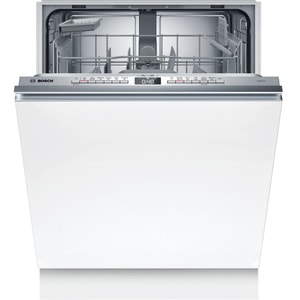
Installation: Fully integrated • Place Settings: 13 • Energy Efficiency Class: D
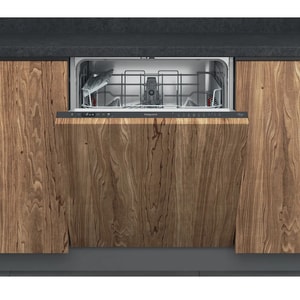
Full-size fully integrated • Place Settings: 14 • Energy rating: E
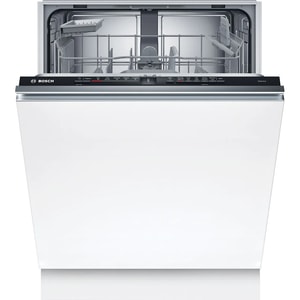
Installation: Fully integrated • Place Settings: 13 • Energy Efficiency Class: D
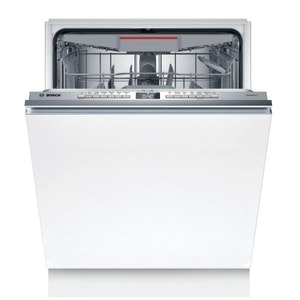
Installation: Fully integrated • Place Settings: 14 • Energy Efficiency Class: B
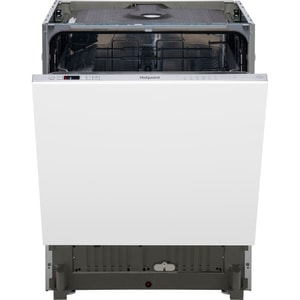
Full-size fully integrated • Place Settings: 14 • Energy rating: E
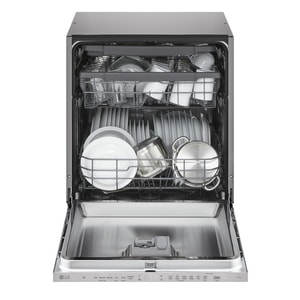
Installation: Fully integrated • Place Settings: 14 • Energy Efficiency Class: D
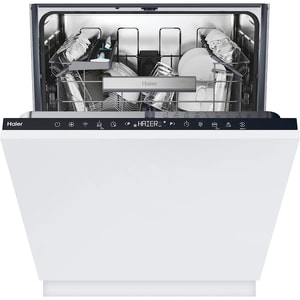
Installation: Fully integrated • Place Settings: 14 • Energy Efficiency Class: C
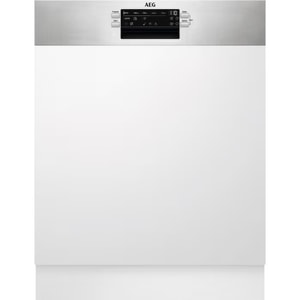
Installation: Semi-integrated • Place Settings: 14 • Energy Efficiency Class: C
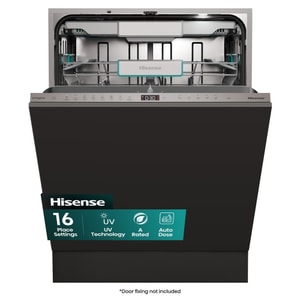
Installation: Fully integrated • Place Settings: 16 • Energy Efficiency Class: A
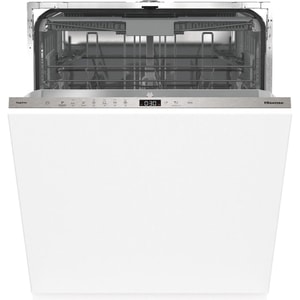
Installation: Fully integrated • Place Settings: 16 • Energy Efficiency Class: D
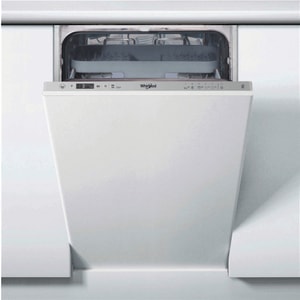
Installation: Fully integrated • Place Settings: 10 • Energy Efficiency Class: E
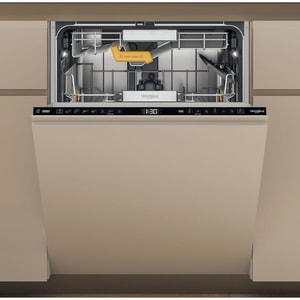
Installation: Fully integrated • Place Settings: 14 • Energy Efficiency Class: C
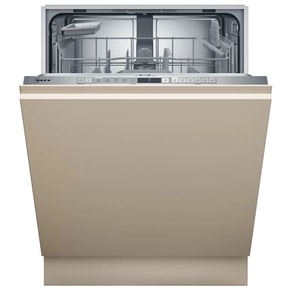
Installation: Fully integrated • Place Settings: 13 • Energy Efficiency Class: D
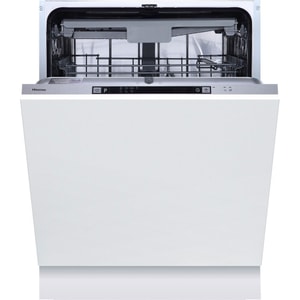
Installation: Fully integrated • Place Settings: 14 • Energy Efficiency Class: D
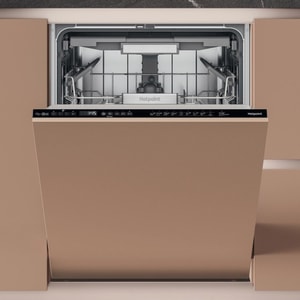
Installation: Fully integrated • Place Settings: 15 • Energy Efficiency Class: C
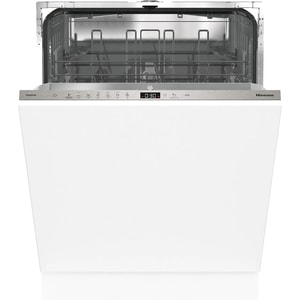
Installation: Fully integrated • Place Settings: 13 • Energy Efficiency Class: E
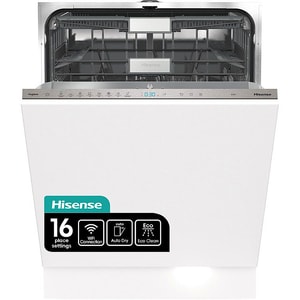
Installation: Fully integrated • Place Settings: 16 • Energy Efficiency Class: C
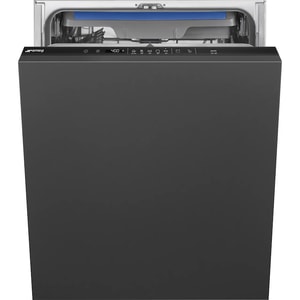
Installation: Fully integrated • Place Settings: 14 • Energy Efficiency Class: D
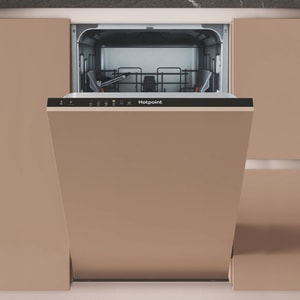
Installation: Fully integrated • Place Settings: 10 • Energy Efficiency Class: E
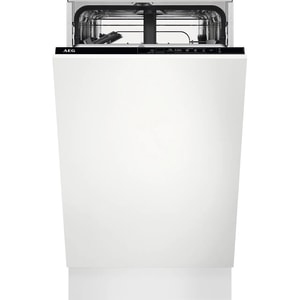
Installation: Fully integrated • Place Settings: 9 • Energy Efficiency Class: F
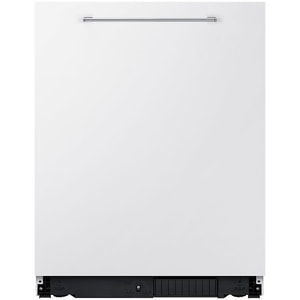
Installation: Fully integrated • Place Settings: 14 • Energy Efficiency Class: D
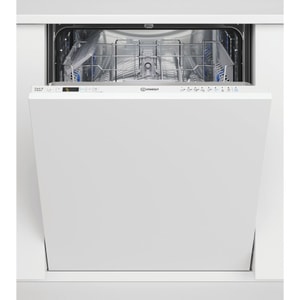
Installation: Fully integrated • Place Settings: 14 • Energy Efficiency Class: E
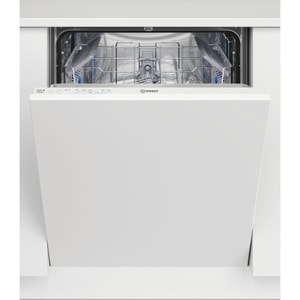
Installation: Fully integrated • Place Settings: 14 • Energy Efficiency Class: E
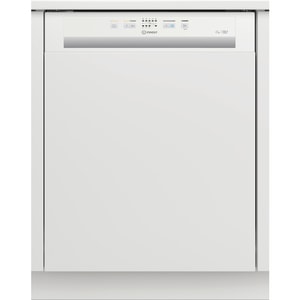
Installation: Semi-integrated • Place Settings: 13 • Energy Efficiency Class: F
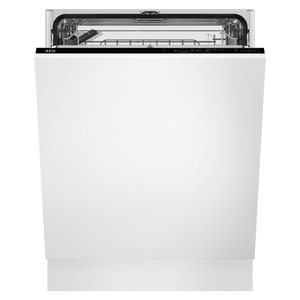
Installation: Fully integrated • Place Settings: 13 • Energy Efficiency Class: E
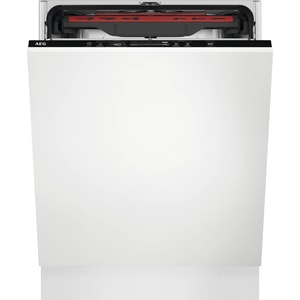
Installation: Fully integrated • Place Settings: 14 • Energy Efficiency Class: C
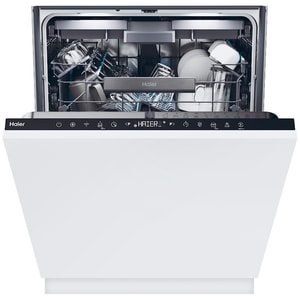
Installation: Fully integrated • Place Settings: 16 • Energy Efficiency Class: C
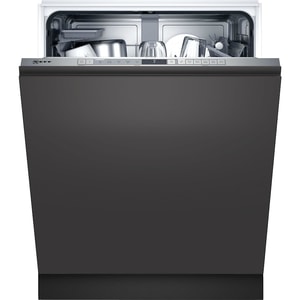
Installation: Fully integrated • Place Settings: 13 • Energy Efficiency Class: D
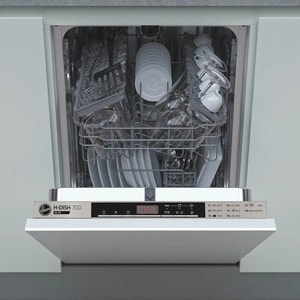
Installation: Fully integrated • Place Settings: 10 • Energy Efficiency Class: E
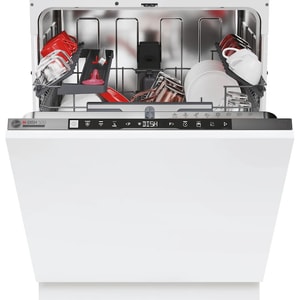
Installation: Fully integrated • Place Settings: 15 • Energy Efficiency Class: C
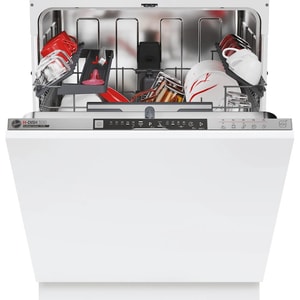
Installation: Fully integrated • Place Settings: 14 • Energy Efficiency Class: E
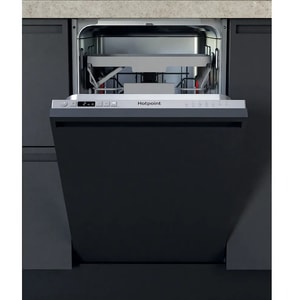
Installation: Fully integrated • Place Settings: 9 • Energy Efficiency Class: F
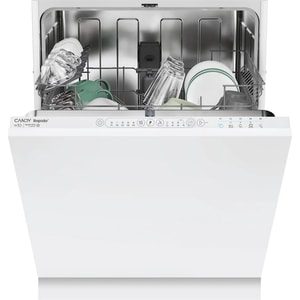
Installation: Fully integrated • Place Settings: 13 • Energy Efficiency Class: E
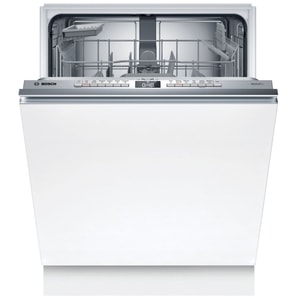
Installation: Fully integrated • Place Settings: 13 • Energy Efficiency Class: C
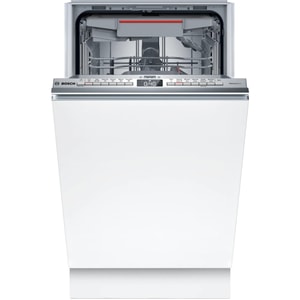
Installation: Fully integrated • Place Settings: 10 • Energy Efficiency Class: C
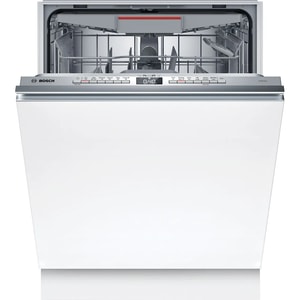
Installation: Fully integrated • Place Settings: 14 • Energy Efficiency Class: D
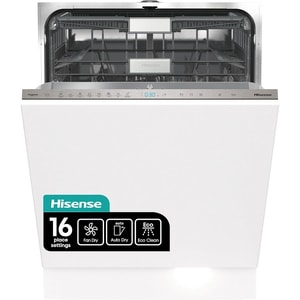
Installation: Fully integrated • Place Settings: 16 • Energy Efficiency Class: C
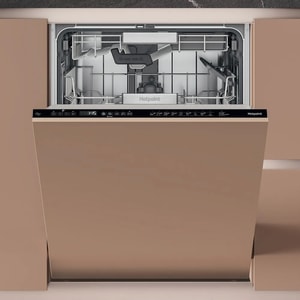
Installation: Fully integrated • Place Settings: 14 • Energy Efficiency Class: C
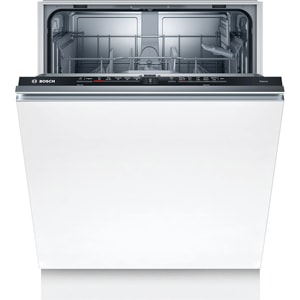
Installation: Fully integrated • Place Settings: 12 • Energy Efficiency Class: E
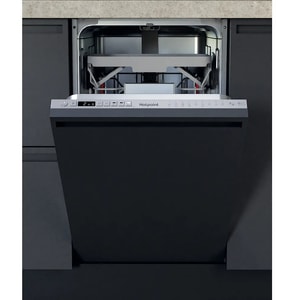
Installation: Fully integrated • Place Settings: 10 • Energy Efficiency Class: E
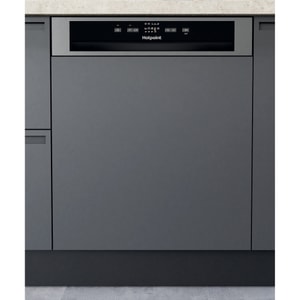
Installation: Semi-integrated • Place Settings: 14 • Energy Efficiency Class: E
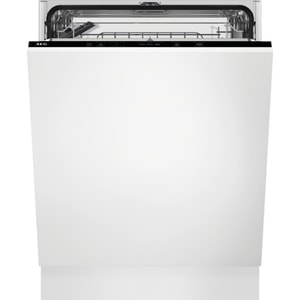
Installation: Fully integrated • Place Settings: 13 • Energy Efficiency Class: E
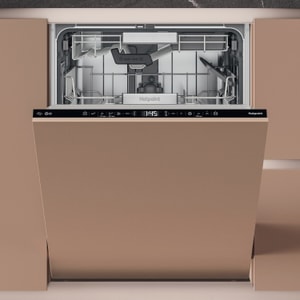
Installation: Fully integrated • Place Settings: 14 • Energy Efficiency Class: B
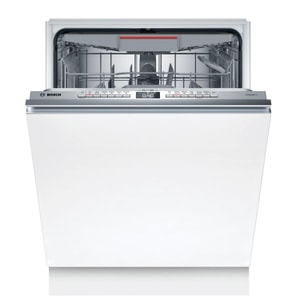
Installation: Fully integrated • Place Settings: 14 • Energy Efficiency Class: C
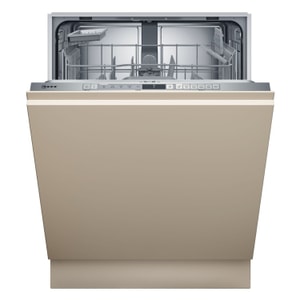
Installation: Fully integrated • Place Settings: 13 • Energy Efficiency Class: D
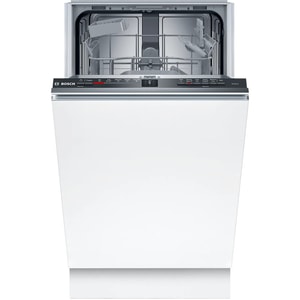
Installation: Fully integrated • Place Settings: 10 • Energy Efficiency Class: E
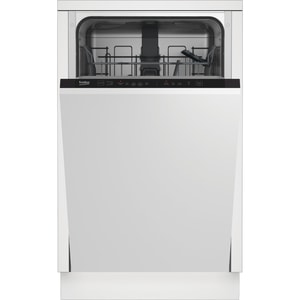
Installation: Fully integrated • Place Settings: 10 • Energy Efficiency Class: E
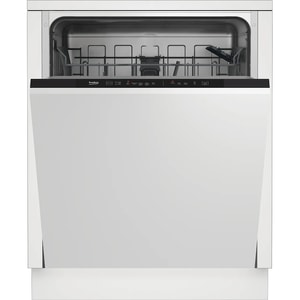
Installation: Fully integrated • Place Settings: 13 • Energy Efficiency Class: E
How do you decide between full-size and slimline?
The real choice is kitchen carcass width and how the household eats. A full-size integrated dishwasher is 60 cm wide and typically takes 13 to 16 place settings, which suits families, batch-cooking and weekend hosting because pans and platters fit without a Tetris session. A slimline integrated dishwasher is 45 cm and usually handles 9 or 10 settings, which is plenty for couples, smaller kitchens and flats where the cabinet run is tight. If you have the width, full-size almost always wins on long-term value because you run fewer cycles. Read More...
Fully integrated, semi-integrated, what changes day to day?
Fully integrated means the control panel sits inside the top edge of the door, so the cabinet front is unbroken when the door is closed. Semi-integrated leaves a visible control strip across the top, which some shoppers prefer because cycle status and time remaining are glanceable without opening the door. Pick fully integrated for a seamless handle-less or shaker run; pick semi-integrated if a child lock readout or progress display matters more than an uninterrupted line.
What will actually fit your niche?
Built-in dishwasher heights are adjustable across roughly 81.5 to 87 cm to clear plinths and worktops, with a 60 cm or 45 cm carcass width and standard cabinet depth. Confirm the niche with the manufacturer's diagram before ordering because plinth height and worktop overhang vary. Door-on-door hinges are common; sliding hinges suit thicker plinths and tighter corners. Mixing hinge systems will misalign the furniture door, so match hinge type to the cabinetry.
Which features earn their keep?
A third-level cutlery tray frees the lower rack for pans and is the upgrade most owners notice first. Height-adjustable upper racks and folding tines let you swap stemware for baking trays without a fight. Auto programmes use turbidity sensors to match water and time to the soil level; Eco runs longer and cooler to cut energy because heating water is the biggest running cost. For drying plastics, look for door auto-open at cycle end or an enhanced drying option. In hard-water areas a built-in softener protects the heater and keeps glassware clear, so check salt and rinse-aid access too.
How quiet is quiet, and does energy class matter?
Noise sits roughly between 39 and 49 dB(A) across integrated models, and the difference is audible. In open-plan kitchens, anything in the low 40s feels discreet during a film; high 40s carries. Energy ratings on the A to G scale matter over a 10-year life because dishwashers are run almost daily. A C or D rated 60 cm machine is the volume sweet spot; A or B rated stock is pricier but pays back faster in heavy use households.
Frequently Asked Questions
It means the entire front of the appliance is hidden by your kitchen's furniture door, including the controls, which sit inside the top edge of the door. You only see the dishwasher when it is open. Semi-integrated keeps the controls on a visible strip above the door.
Usually yes. A slimline integrated dishwasher takes 9 or 10 place settings, which covers daily meals and a couple of pans comfortably. If you cook from scratch most nights or host often, full-size 60 cm is the safer call because you run fewer cycles.
Measure niche width (60 cm or 45 cm), height (typically 81.5 to 87 cm with adjustable feet) and depth against the manufacturer's installation diagram. Check plinth height because the kickboard must clear the door, and confirm there is a cold feed, drain spigot and 13 A socket within reach.
Door-on-door fixes the furniture door directly to the appliance door, so they swing as one. Sliding hinge lets the furniture door slide as the appliance door opens, which clears thicker plinths and tight corners. Match the hinge to your cabinetry rather than mixing systems, because alignment goes off otherwise.
For most households yes, because it lifts the cutlery out of the lower basket and frees that space for pots, pans and bigger bowls. It also separates utensils so they wash and dry more evenly. If you cook in volume, this is the upgrade you will notice every load.
Anything in the low 40s dB(A) reads as background hum even in open-plan rooms. Mid to high 40s is more audible during quiet evenings. If the dishwasher sits next to a sofa or dining area, prioritise a lower dB rating over a marginally cheaper but louder model.
In hard-water parts of the UK, yes. A built-in softener protects the heating element from limescale and keeps glassware clear instead of cloudy. Top up dishwasher salt regularly and set the hardness level during installation for the best results.
Often yes, as long as the new appliance matches the old niche width, height and hinge style. Reuse the same furniture door if it is in good condition and the fixings line up. Where hinge systems differ, you may need new fixings or a small door adjustment.