
Prams & Pushchairs
- Relevance
- Price: Low - High
- Price: High - Low
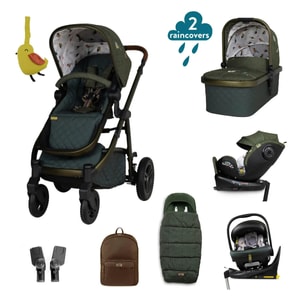
Product type: Travel system • Suitable from: From birth • Maximum user weight: 25 kg
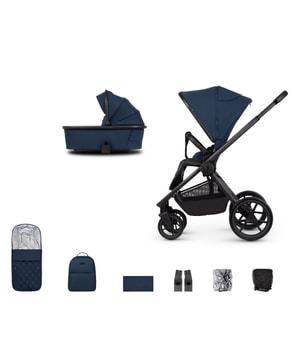
Product type: Travel system • Suitable from: From birth • Maximum user weight: 22 kg
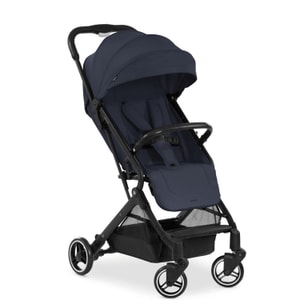
Product type: Pushchair • Suitable from: From birth • Maximum user weight: 22 kg
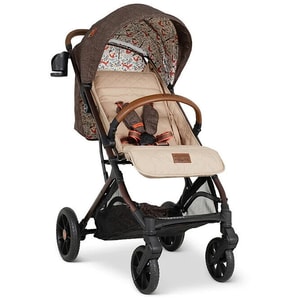
Product type: Pushchair • Suitable from: From birth • Maximum user weight: 25 kg
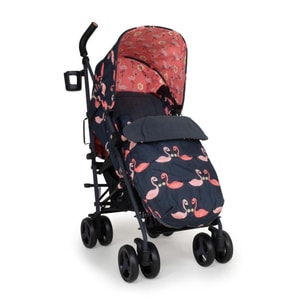
Product type: Pushchair • Suitable from: From birth • Maximum user weight: 25 kg
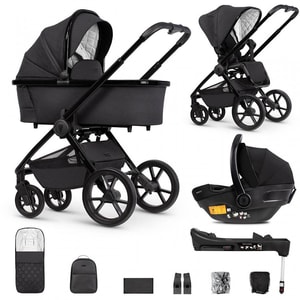
Product type: Travel system • Suitable from: From birth • Maximum user weight: 22 kg
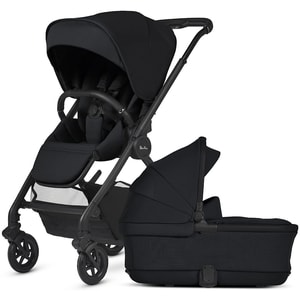
Product type: Pushchair • Suitable from: From birth • Maximum user weight: 22 kg
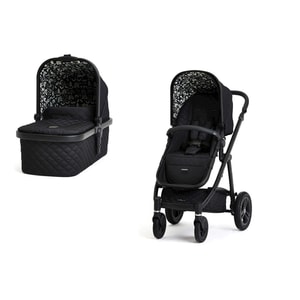
Product type: Travel system • Suitable from: From birth • Maximum user weight: 25 kg
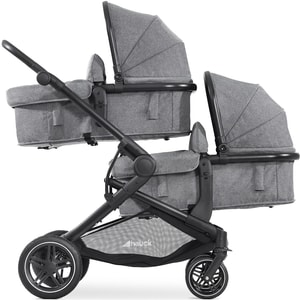
Product type: Pushchair • Suitable from: From birth • Maximum user weight: 36 kg
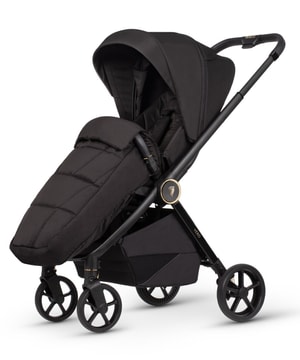
Product type: Stroller • Suitable from: From birth • Maximum user weight: 22 kg
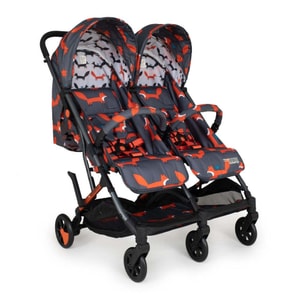
Product type: Pushchair • Suitable from: From birth • Maximum user weight: 22 kg
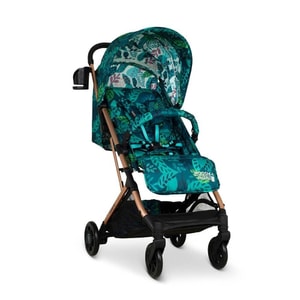
Product type: Pushchair • Suitable from: From birth • Maximum user weight: 25 kg
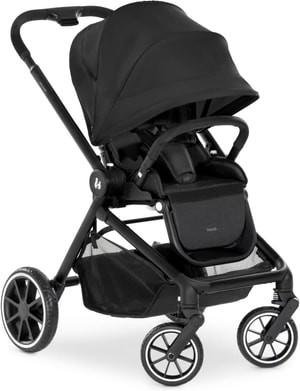
Product type: Pushchair • Suitable from: From birth • Maximum user weight: 22 kg
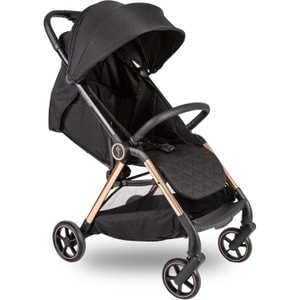
Product type: Stroller • Suitable from: From birth • Maximum user weight: 22 kg
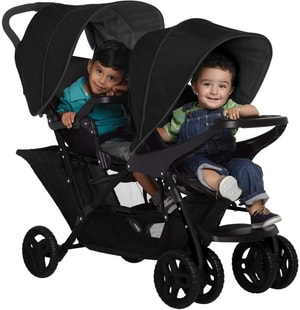
Product type: Pushchair • Suitable from: From birth • Maximum user weight: 15 kg
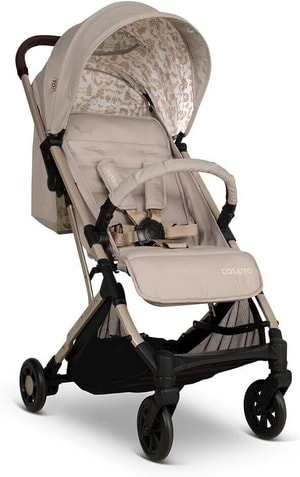
Product type: Stroller • Suitable from: From birth • Maximum user weight: 22 kg
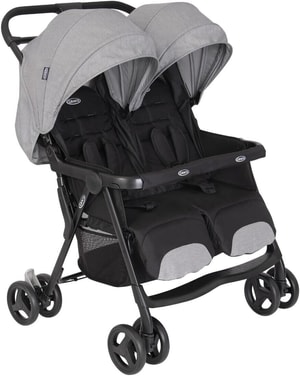
Product type: Pushchair • Suitable from: From birth • Maximum user weight: 15 kg
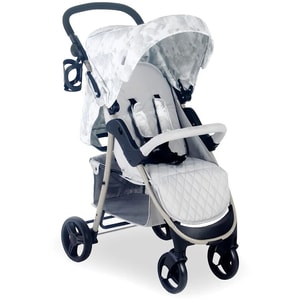
Product type: Pushchair • Suitable from: From birth • Maximum user weight: 22 kg
Prams and pushchairs: choose everyday kit that fits your routes, your boot, and your baby
In the UK, people search for prams, pushchairs, buggies and strollers, but the decision is usually the same: you want something safe, comfortable and realistic for your daily routine. The best choice is the one that you can lift, fold and steer without thinking, because those are the moments that decide whether you enjoy using it. Read More...
Best for:
- Daily walks and errands where you need predictable handling
- Busy travel days where a compact fold and low weight matter
- Newborn through toddler stages when the seat, recline and storage support day to day life
[H3] Newborn suitability: prioritise lie-flat support
For very young babies, a lie-flat setup is the key phrase to look for. If you are shopping for a pushchair from birth, confirm the seat reclines fully flat or that a carrycot is included. Some travel systems use a carrycot for the earliest months. Others use a pushchair seat that reclines fully to a lie-flat position, which can be useful if you want one main setup that lasts longer. The NHS cautions against letting babies stay in car seats for too long, so for longer naps, a flat, suitable space matters more than convenience.
Choose the style first: travel system, compact stroller, all-terrain, or double options
Most regrets come from choosing a style that does not match your life. Start with the broad type, then compare features within that type.
A travel system is popular for newborn life because it can combine a chassis with a carrycot or lie-flat seat, and often a compatible infant carrier for short transitions between car and pavement. If that convenience matters, confirm the car seat fits your car and clicks securely onto your chassis.
A lightweight pushchair, often searched as a compact stroller or travel stroller, suits frequent lifting, smaller boots and tighter storage at home. For city use and public transport, a tidy fold and manageable weight tend to matter more than extra accessories.
An all-terrain pushchair focuses on larger wheels and stronger suspension for stability on rougher paths. The trade-off is often a larger footprint and more weight, so it suits families who genuinely walk on mixed ground rather than mainly on pavements.
Double and tandem pushchairs suit siblings close in age. Side by side doubles can feel stable and easy to steer, but doorway width matters. Tandems are often narrower, but longer, and the rear seat can be less accessible. Measure the spaces that catch you out most often: front door, hallway turn, porch, and your usual shop aisles.
What to compare so it feels good every day: fold, wheels, seat comfort and storage
Folding and boot fit: the feature that decides daily convenience
If you drive, folding is the make or break feature. Focus on folded dimensions, whether it locks closed, and whether it stands when folded. Searches such as compact fold pushchair are usually about whether it fits your boot and whether the fold is manageable one-handed. If you use stairs or public transport, think about the lift: can you carry it safely while managing a baby bag. Many families find that a slightly smaller basket is a fair trade for an easier fold, because you will use it more often.
Wheels and handling: match it to pavements, kerbs and your local routes
Wheel size and suspension influence how the pushchair feels on kerbs, uneven pavements and speed bumps. Smaller wheels can suit smoother surfaces and tight manoeuvring. Larger wheels tend to roll more easily over rough ground and can make longer walks feel steadier. Swivel front wheels are helpful in shops, but it is useful if they can be locked straight for rougher paths.
Seat direction, recline, canopy and harness: comfort and control
A supportive seat with multiple recline positions helps with naps and longer outings. Parent-facing seats are popular early on, then world-facing tends to suit toddlers who want to see more. A generous canopy helps with UK sun and wind, and a well-designed harness should tighten evenly and adjust easily as layers change between seasons.
Storage matters more than people expect. Basket access, stability when loaded, and whether it tips when you hang a changing bag from the handle are the details that decide whether it feels easy.
Safety and buying smart: standards, second-hand checks, and sleep on the go
Safety should not feel mysterious. In the UK, prams and pushchairs are commonly assessed against BS EN 1888, and Trading Standards guidance notes that compliance with this standard is one way to help ensure a pram or pushchair is safe. RoSPA also recommends practical checks such as confirming brakes work correctly, the frame locks open securely, and there is no damage such as sharp edges or torn fabric.
If you are buying used, be realistic about cosmetic wear, but not about safety. Check that folding locks engage positively, the harness is intact, wheels are secure, and the brake holds firmly on a slope. If something feels loose or unpredictable, treat it as a red flag.
It is also worth thinking about sleep away from home. The Lullaby Trust advises that if a baby sleeps in a pram or buggy, the base should be flat and not sloping, and the hood should be down indoors. It also advises against covering the pram or buggy, as this can increase the risk of overheating and reduces your ability to monitor your baby.
The extras that genuinely help in British weather
A well-fitting rain cover is one of the most useful add-ons for the UK. A footmuff or cosy-toes liner can make winter walks more comfortable, while a simple organiser pouch keeps essentials within reach without filling the basket. If you do lots of walking, a cup holder and a practical handle height can also make day to day use less tiring.
If you are building a complete travel setup, Car Seats are the natural next category to align with your pushchair choice. For sleep setup at home, Nursery Furniture & Furnishings covers essentials, including Cots & Cot Beds.