
Car Seats
- Relevance
- Price: Low - High
- Price: High - Low
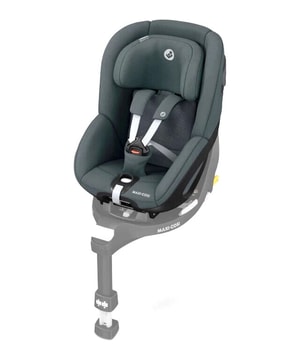
Safety standard: R129/03 • Child height range: 61-105 cm • Child weight range: 0-17 kg
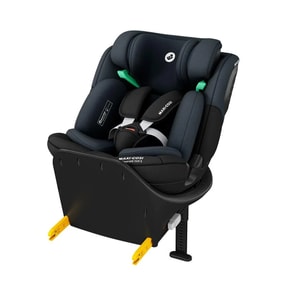
Safety standard: R129/03 • Child height range: 40-150 cm • Child weight range: 0-36 kg
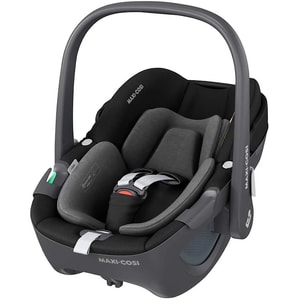
Safety standard: R129/03 • Child height range: 40-83 cm • Child weight range: 0-13 kg
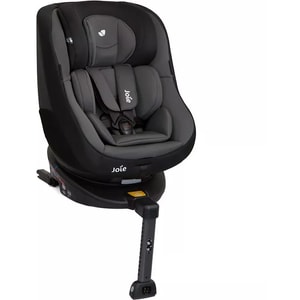
Safety standard: R44.04 • Child height range: N/A (weight-based) • Child weight range: 0-18 kg
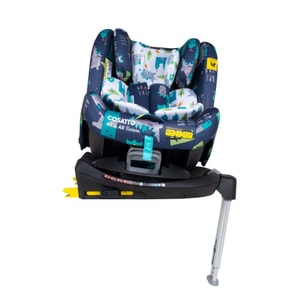
Safety standard: R44.04 • Child height range: N/A (weight-based) • Child weight range: 0-36 kg
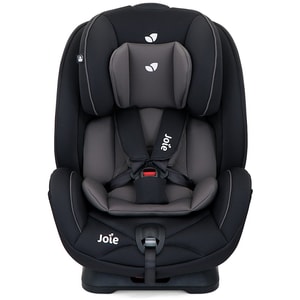
Safety standard: R44.04 • Child height range: 40-135 cm • Child weight range: 0-25 kg
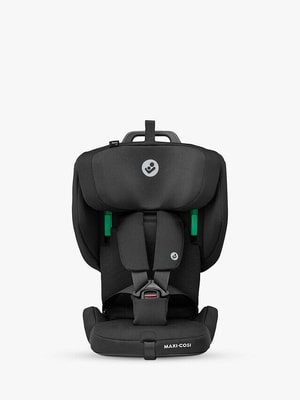
Safety standard: R129/03 • Child height range: 76-105 cm • Child weight range: 9-18 kg
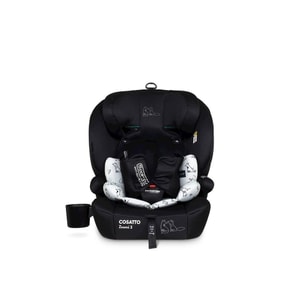
Safety standard: R129/03 • Child height range: 76-150 cm • Child weight range: 9-36 kg
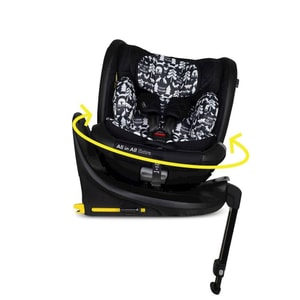
Safety standard: R129 • Child height range: 40-150 cm • Child weight range: 0-36 kg
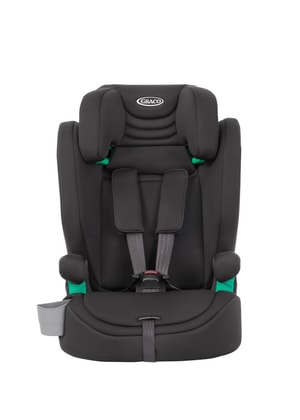
Safety standard: R129 • Child height range: 76-150 cm • Child weight range: 9-36 kg
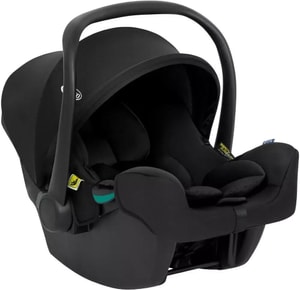
Safety standard: R129 • Child height range: 40-75 cm • Child weight range: 0-13 kg
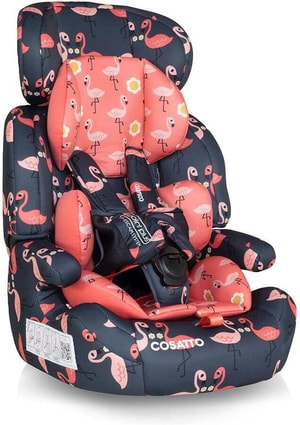
Safety standard: R44.04 • Child height range: N/A (weight-based) • Child weight range: 9-36 kg
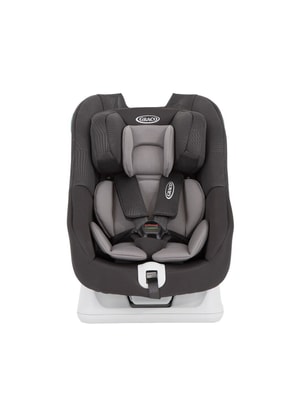
Safety standard: R129 • Child height range: 40-105 cm • Child weight range: 0-18 kg
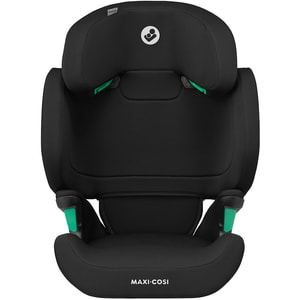
Safety standard: R129 • Child height range: 100-150 cm • Child weight range: 15-36 kg
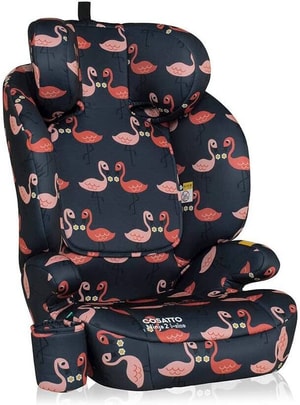
Safety standard: R129 • Child height range: 100-150 cm • Child weight range: 15-36 kg
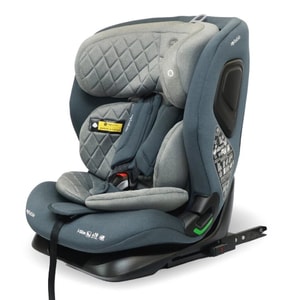
Safety standard: R129 • Child height range: 76-150 cm • Child weight range: 9-36 kg
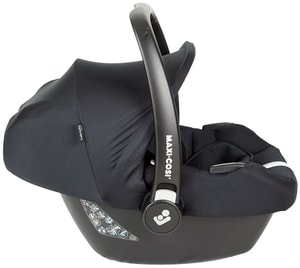
Safety standard: R129 • Child height range: 40-75 cm • Child weight range: 0-12 kg
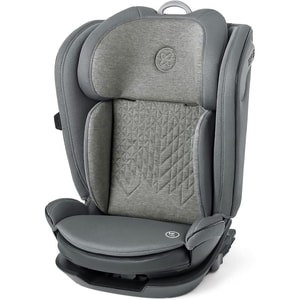
Safety standard: R129/03 • Child height range: 100-150 cm • Child weight range: 15-36 kg
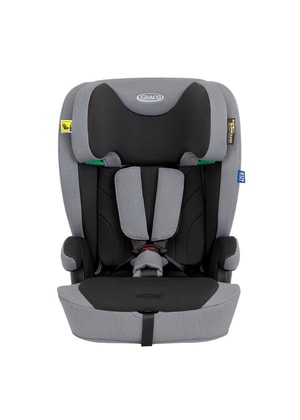
Safety standard: R129 • Child height range: 76-150 cm • Child weight range: 9-36 kg
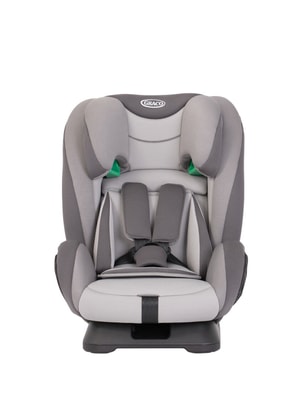
Safety standard: R129 • Child height range: 76-145 cm • Child weight range: 9-36 kg
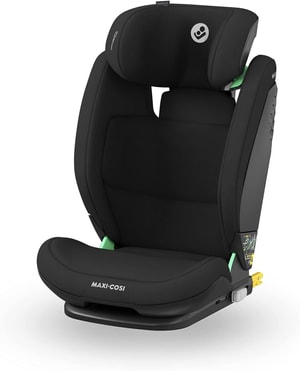
Safety standard: R129 • Child height range: 100-150 cm • Child weight range: 15-36 kg
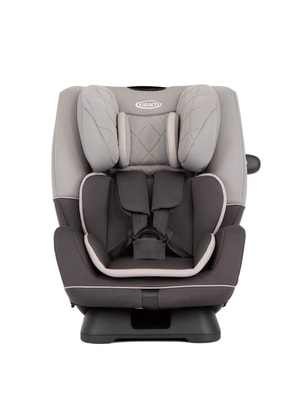
Safety standard: R129 • Child height range: 40-145 cm • Child weight range: 0-36 kg
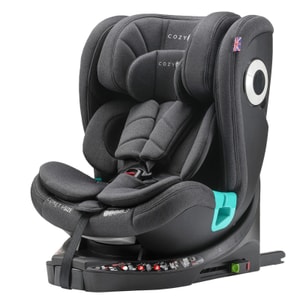
Safety standard: R129 • Child height range: 40-150 cm • Child weight range: 0-36 kg
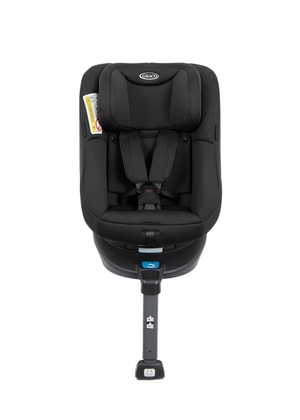
Safety standard: R44.04 • Child height range: N/A (weight-based) • Child weight range: 0-18 kg
Car seats: safety-first travel from newborn to big kid
A car seat is the safety item you rely on for every car journey. The right choice is the seat that fits your child’s stage, installs securely in your car, and is simple enough to fit correctly every time. Read More...
Best for:
- Newborn travel where a supportive rear-facing position matters
- Everyday routines
- Longer-term use when the seat adjusts as your child grows
UK rules and labels in plain English
In the UK, children must usually use a child car seat until they are 12 years old or 135cm tall, whichever comes first. Height-based seats must be rear-facing until your child is over 15 months old. Approved seats carry an orange label showing the regulation they meet. On R129 labels you should see an ‘E’ in a circle and ‘R129’. The newest approval is R129, often called i-Size, which uses height ranges rather than weight groups. You may also see the older ECE R44/04 “Group” system referenced on some seats and listings. The NHS still explains the Group 0+, Group 1, and Group 2/3 terms that appear on older weight-based seats, which helps when a listing uses those labels.
Choose the seat by stage: infant, toddler, multi-stage, or booster
Most shopping questions are really stage questions. The goal is correct harness or belt positioning, stable installation, and a setup you can use consistently.
Infant carriers: the usual first seat for newborn journeys
Infant carriers are rear-facing and designed to support newborns properly. Many parents like them because they lift out as a unit, which helps for quick errands. Some install with the vehicle belt. Others pair with an ISOFIX base for faster daily fitting.
If you are building a travel system, infant carriers often overlap with Prams & Pushchairs within Pushchairs & Travel, where pushchair frames and adapters sit alongside infant seats.
A crucial comfort point is sleep. Babies can fall asleep in a car seat while travelling, but car seats are not designed as a main sleep space. The NHS and The Lullaby Trust both advise taking babies out of the car seat when you reach your destination and placing them on a firm, flat sleep surface.
Toddler and multi-stage seats: space, recline, and rear-facing for longer
After the infant stage, families often choose either a toddler seat (for example i-Size ranges such as 61–105cm) or a multi-stage seat that covers a broader span, such as 40–150cm. Many shoppers also look for “extended rear-facing” options because keeping a child rear-facing for longer can offer better support for the head and neck in a crash. The Child Car Seats charity notes that i-Size seats require rear-facing until over 15 months, and recommends keeping children rear-facing for as long as possible, switching only when they reach the maximum height or weight specified by the manufacturer.
In practice, the main constraint is often your car. Rear-facing seats can take up more front-seat legroom, so check that you can keep the seat at the correct angle without forcing it.
High-back boosters: older children and correct belt routing
For older children, a high-back booster is commonly chosen to help position the vehicle belt correctly and provide side support. The deciding factor is belt fit. A good setup keeps the lap belt low across the hips, not the stomach, and the shoulder belt across the chest rather than the neck. If your child regularly slouches so the belt sits poorly, the booster is not doing its job, even if it “fits” by height.
ISOFIX, seatbelt fitting, and swivel seats: what matters in real cars
Correct installation is central to safety. ISOFIX seats connect to fixed anchor points in the car, which can make correct fitting easier and more repeatable. ISOFIX installations may use a support leg or a top tether, depending on the seat design, and you need the method that matches both the seat and your vehicle.
Seatbelt-fitted seats can still be an excellent option, particularly in cars without ISOFIX points, when you need flexibility between vehicles, or when you want a lighter seat to move around. If you ever place a rear-facing seat in the front passenger seat, the airbag must be deactivated. The trade-off is that belt fitting relies on careful routing and tight installation, so clear belt paths and stable fitting are essential.
Swivel seats, including 360 rotation, can make daily handling easier in tight parking spaces because you can turn the seat towards the door for loading. The trade-off is often extra bulk and weight. If you need three seats across the back, width and base size become a genuine buying factor, and a slimmer profile can matter more than premium extras.
Buying smart: second-hand caution, fitting confidence, and safer travel habits
Be cautious with second-hand seats
Car seats are protective equipment. The NHS advises not to buy a second-hand car seat because you cannot be certain of its history, it may have hidden crash damage, and it may be missing parts or instructions. The Child Car Seats charity gives the same advice. If you accept a seat from friends or family, only do so if you know its full history and it comes with instructions.
Features that make daily use easier
Look for headrest and harness systems that adjust smoothly, because you will change them as your child grows and as layers change through the year. Removable, washable covers are genuinely useful, especially through the toddler stage. A seat that is easy to clean is more likely to be used correctly, because buckles and harnesses stay free of crumbs and grit.
Sleep on the go: keep babies safer on longer days
NHS safer sleep advice says not to let a baby stay in a car seat for too long, and The Lullaby Trust advises taking your baby out of the seat as soon as you reach your destination. For longer journeys, regular breaks help. When you arrive, move your baby to a firm, flat sleep space.
If you are planning home sleep essentials alongside travel kit, Cots & Cot Beds within Nursery Furniture & Furnishing are designed for flat, safer sleep.