
Beko American Fridge Freezers
A Beko American fridge freezer gives you wide shelving, generous door balconies and steady food-care tech without the premium-brand price tag. Compare side-by-side and multi-door layouts, plumbed or non-plumbed water and ice, plus HarvestFresh and NeoFrost cooling, all priced live across UK retailers.
- Relevance
- Price: Low - High
- Price: High - Low
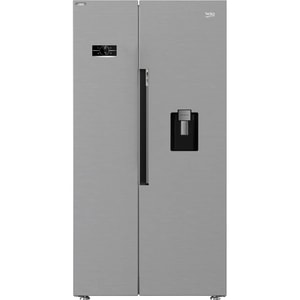
Side-by-side American fridge freezer • Total capacity: 576 L • Width: 910 mm
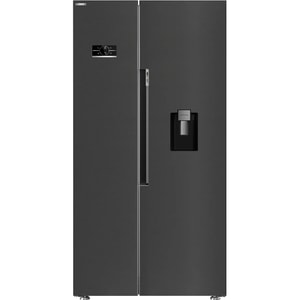
Side-by-side American fridge freezer • Total capacity: 649 L • Width: 910 mm
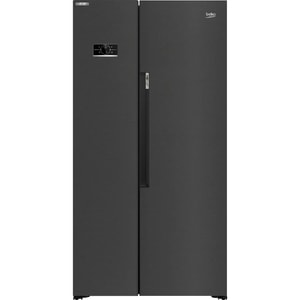
Configuration: Side-by-side • Total capacity: 580 L • Width: 910 mm
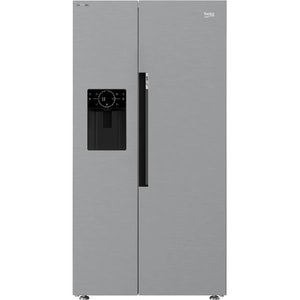
Configuration: Side-by-side • Total capacity: 571 L • Width: 910 mm
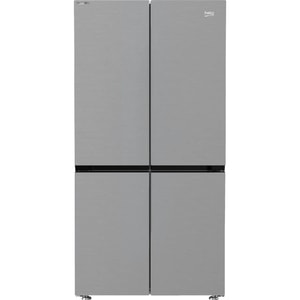
Configuration: Multi-door • Total capacity: 572 L • Width: 908 mm
Is a Beko American fridge freezer the right buy for your kitchen?
Beko sits in the value-and-features sweet spot of the American fridge freezer market. You get the wide cabinet, the proper door storage and the food-care tech that bigger brands charge a premium for, without paying the premium. The trade-off is that not every model carries every feature, so the choice comes down to matching the right Beko spec to how your household actually shops, cooks and stores food. Read More...
Side-by-side or multi-door, which layout works harder?
The layout decision matters more than the badge. It changes how you load the weekly shop and what you can fit on a shelf.
When side-by-side makes sense
Side-by-side gives you a tall fridge column and a tall freezer column, so frozen food is at eye level rather than buried in a bottom drawer. It suits households who freeze a lot, batch-cook, or want quick visibility without bending. Door balconies on both sides hold large bottles and cartons, freeing the shelves for trays and meal-prep boxes.
When multi-door earns its keep
A multi-door layout puts a wide fridge above with freezer drawers below. Shelves span the full cabinet width, which is what you want for a Christmas turkey, a party platter or a baking tray that won't fit a side-by-side. Choose this if your fridge use outweighs your freezer use.
How much fridge space do you actually need?
Beko American fridge freezers typically run from around the mid-500-litre mark up past 600 litres. Bigger isn't automatically better. An oversized cabinet half-full wastes energy and runs longer to hold temperature.
Matching capacity to household
A couple cooking from fresh rarely fills more than 500 usable litres. A family of four or a household that bulk-buys and batch-freezes will appreciate the larger end. Look at usable litres rather than gross capacity, because shelves, drawers and the ice maker eat into the headline number.
Plumbed, non-plumbed or no dispenser?
Water and ice is the headline feature on most American formats, but it isn't free. Each option has a real install and lifestyle trade-off.
Worth running a water line?
A plumbed Beko model delivers continuous chilled water and automatic ice, no refilling. You need a nearby cold-water feed and an isolating valve, ideally fitted before delivery. If your household drinks chilled water daily or hosts often, the plumbing pays back in convenience.
When non-plumbed is the smarter pick
A non-plumbed dispenser uses an internal tank you refill manually. No pipework, easier placement, and the cabinet can sit anywhere a standard socket reaches. Worth it if your kitchen layout doesn't allow a water feed, or if you'd rather not commit to a permanent install.
Which Beko cooling tech actually matters?
The acronyms can blur into one. Three are worth knowing because they change how food keeps and how the fridge sounds in daily use.
NeoFrost, HarvestFresh and ProSmart Inverter explained
NeoFrost dual cooling separates the airflow between fridge and freezer, so humidity stays higher where you want it (the salad drawer) and odours don't migrate. HarvestFresh uses a three-colour light cycle in the crisper to mimic daylight, which helps leaves and herbs hold vitamins for longer. ProSmart Inverter varies compressor speed instead of cycling on and off, so temperatures stay steadier and the cabinet runs quieter, which matters in open-plan kitchens.
Will it actually fit?
American fridge freezers are wide, tall and deep. Most Beko models sit around 910 mm wide, with narrower options closer to 840 mm. Measure the alcove, the doorway and every turn on the delivery route before you commit. Allow ventilation gaps stated in the manual because tight installs force the compressor to work harder, raising noise and running cost.
Black, stainless steel or something quieter?
Finish is a long-term decision because the cabinet dominates the kitchen wall it sits against. Stainless steel hides smudges less than brushed or anti-fingerprint finishes but suits a classic look. A black Beko American fridge freezer (gloss black steel or matt black-effect) anchors a darker scheme and pairs well with handleless units. Silver and brushed steel sit in between and forgive marks better than mirror-finish stainless.
When's the right moment to buy?
American fridge freezers see their sharpest price drops around Black Friday, Boxing Day and the January sales, with smaller dips during Amazon Prime Day. If your current fridge is limping, don't wait, but if you're upgrading on choice rather than necessity, tracking prices into a sale event usually shaves a useful chunk off.
Frequently Asked Questions
Yes, for the price bracket they're a strong buy. You get the headline features (NeoFrost, HarvestFresh, ProSmart Inverter on selected models) without the premium-brand markup. The build is solid for daily family use, and the dispenser and food-care tech work as advertised. Match the spec to how you actually use a fridge rather than chasing the longest feature list.
Most sit around 910 mm wide, with narrower models closer to 840 mm. Always measure the alcove, the doorway and any tight turns on the delivery route. Manufacturers publish dimensions both with and without doors fitted, because removing them sometimes makes delivery possible where it otherwise wouldn't be.
No. Some have a plumbed dispenser, some have a non-plumbed tank, some have water only without ice, and some have neither. Decide whether daily ice matters before you shortlist, because retro-fitting a dispenser isn't possible.
A plumbed model connects to a cold-water feed and dispenses continuously, with automatic ice. A non-plumbed model uses an internal tank you refill yourself. Plumbed suits heavy daily use; non-plumbed suits flexible placement or kitchens without a nearby water line.
HarvestFresh runs a three-colour LED cycle inside the crisper drawer that mimics natural daylight. The aim is to slow vitamin loss in leafy veg and fresh herbs after harvest. It works best when the drawer is used as intended, with humidity-appropriate produce.
Gloss black shows fingerprints and dust more than brushed or stainless finishes, especially in a sunlit kitchen. A microfibre cloth handles daily smudges in seconds. If easy cleaning is the priority, a brushed steel or anti-fingerprint finish is the lower-maintenance pick.
Usually yes, but it's tight. Standard internal doorways are around 762 mm wide, and most American formats are wider than that with doors fitted. Doors normally come off for delivery, which drops the width significantly. Confirm with the retailer before you order.
A well-installed and ventilated fridge freezer typically lasts 10 to 15 years. Keep the rear vents clear, leave the manufacturer's air gaps, run it at around 4 °C in the fridge and minus 18 °C in the freezer, and clean the door seals occasionally. Inverter models tend to age better because the compressor isn't constantly hard-starting.