
Headphones & Earphones
- Relevance
- Price: Low - High
- Price: High - Low
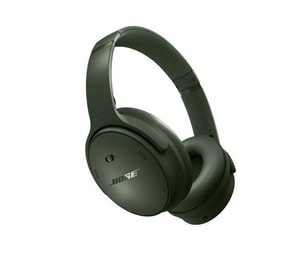
Type: Over-ear headphones • Noise cancelling: Yes • Battery life (max): Up to 24 h
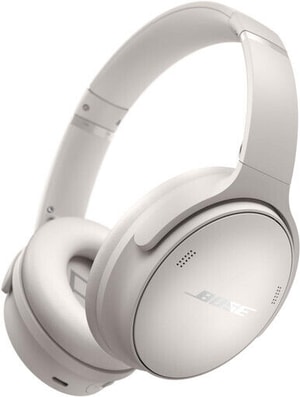
Type: Over-ear headphones • Noise cancelling: Yes • Battery life (max): 24 h
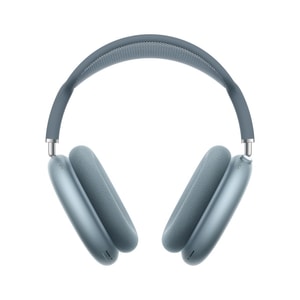
Type: Over-ear headphones • Noise cancelling: Yes • Battery life (max): Up to 20 h
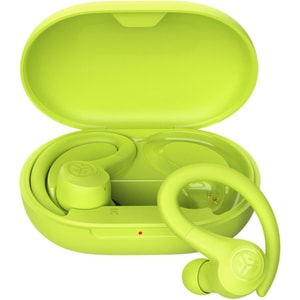
Type: Earbuds • Noise cancelling: No • Battery life (max): up to 32 h
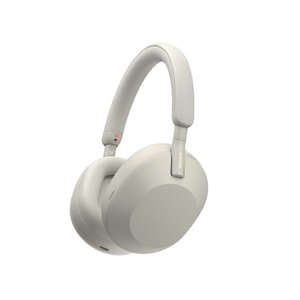
Type: Over-ear headphones • Noise cancelling: Yes • Battery life (max): 40 h
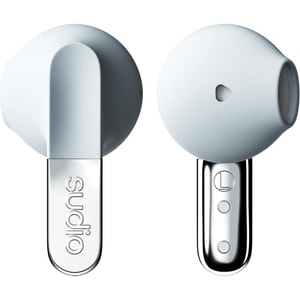
Type: Earbuds • Noise cancelling: Yes • Battery life (max): 30 h
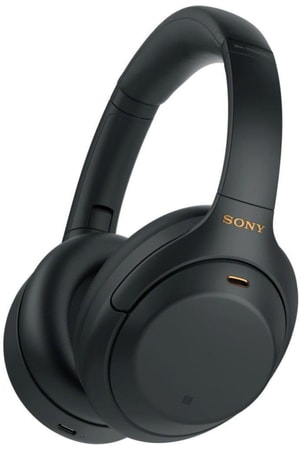
Type: Over-ear headphones • Noise cancelling: Yes • Battery life (max): 38 h
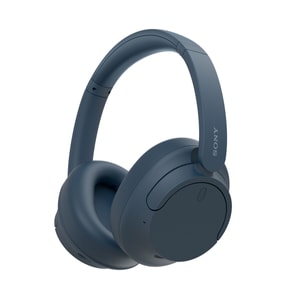
Type: Over-ear headphones • Noise cancelling: Yes • Battery life (max): 50 h
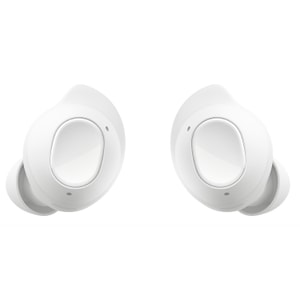
Type: Earbuds • Noise cancelling: Yes • Battery life (max): Up to 30 h
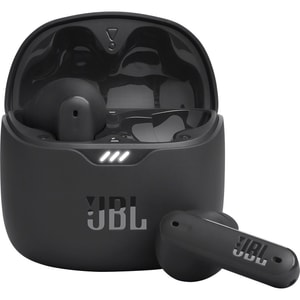
Type: In-ear headphones • Noise cancelling: Yes • Battery life (max): 32 h
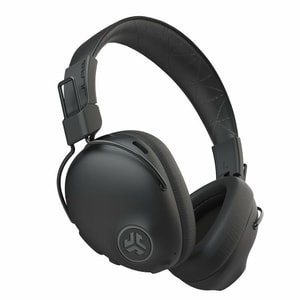
Type: Over-ear headphones • Noise cancelling: Yes • Battery life (max): 45+ h
Type: Over-ear headphones • Noise cancelling: Yes • Battery life (max): 70 h
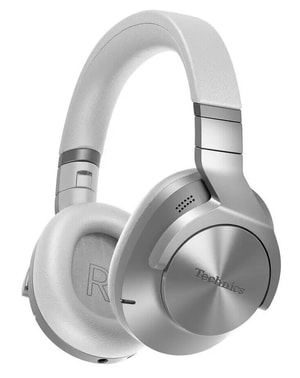
Type: Over-ear headphones • Noise cancelling: Yes • Battery life (max): 60 h
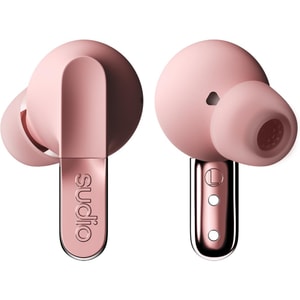
Type: In-ear headphones • Noise cancelling: Yes • Battery life (max): 30 h
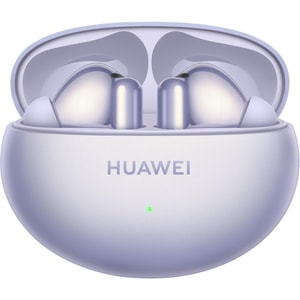
Type: In-ear headphones • Noise cancelling: Yes • Battery life (max): up to 35 h
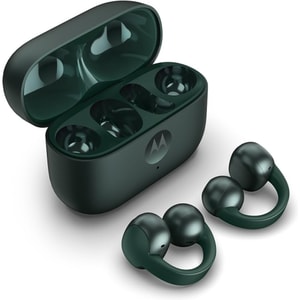
Type: In-ear headphones • Noise cancelling: Yes • Connectivity: Wireless
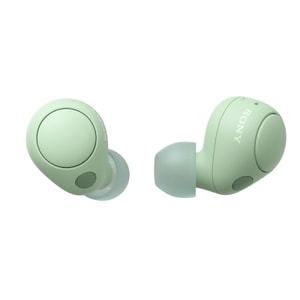
Type: In-ear headphones • Noise cancelling: Yes • Battery life (max): 10 h
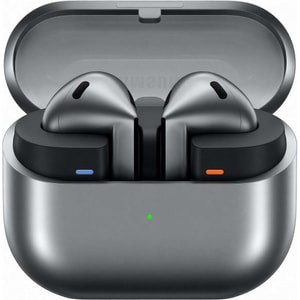
Type: In-ear headphones • Noise cancelling: Yes • Connectivity: Wireless
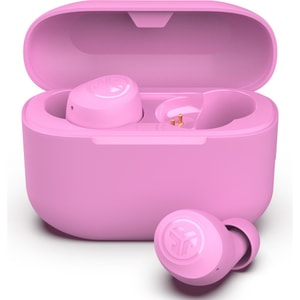
Type: In-ear headphones • Noise cancelling: No • Battery life (max): 32+ h
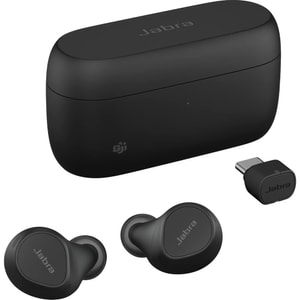
Type: In-ear headphones • Noise cancelling: Yes • Battery life (max): up to 33 h
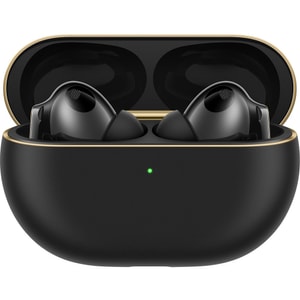
Type: In-ear headphones • Noise cancelling: Yes • Battery life (max): Up to 33 h
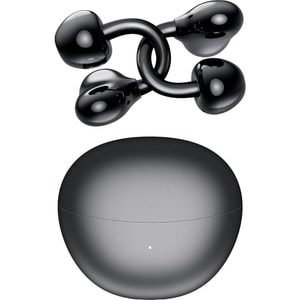
Type: Earbuds • Battery life (max): 36 h • Connectivity: Wireless
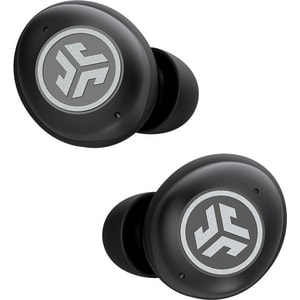
Type: In-ear headphones • Noise cancelling: No • Battery life (max): 36 h
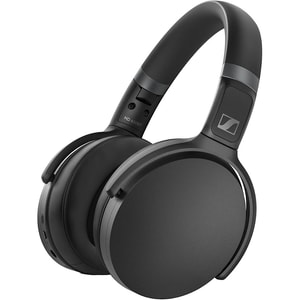
Type: Over-ear headphones • Noise cancelling: Yes • Battery life (max): up to 30 h
Headphones and earphones: pick the pair that fits how you listen
A good pair of headphones or earphones improves everyday listening in a practical way: voices become clearer, music feels more detailed, and you can listen privately without turning the room into your soundtrack. The quickest route to a satisfying choice is to start with your routine, not the spec sheet. Are you commuting, working, gaming, watching TV late, exercising, or mainly listening at home? Read More...
Within TV & Audio, headphones and earphones also solve specific living-room problems. They are the quiet option for late-night viewing, the focused option for work calls, and the personal option when you want detail without changing the whole room.
Start with the form: over-ear, on-ear, earbuds, and open-ear
Most buying frustration comes from choosing features before choosing the shape. Comfort and fit drive everything else, including sound quality, noise isolation, and whether you will actually keep using them.
Over-ear headphones: comfort and immersion for longer sessions
Over-ear headphones surround the ear, which often makes them more comfortable for long listening and better at passive noise isolation. They are a strong fit for travel, workdays, home listening, and TV use because they tend to feel stable and create a fuller soundstage. If you wear glasses, look for softer cushions and a fit that does not press hard at the temples, because small pressure points become obvious after an hour.
Over-ear designs are also a common choice for noise cancelling headphones because the larger earcups provide more space for both cushioning and microphones.
On-ear headphones: lighter and portable, but not always as isolating
On-ear headphones sit on the ear rather than around it. They can be easier to carry, but they usually let in more outside noise and can create pressure on the ear during longer sessions. They suit shorter commutes and casual listening when portability matters more than maximum comfort.
Earbuds and true wireless: convenient, but fit is everything
Earbuds and true wireless earphones are chosen for convenience and pocketability. Fit matters more than most people expect: a secure seal improves bass, isolation, and stability. Ear tip sizes and materials are not a minor detail, especially if you want a reliable fit for walking, commuting, or gym sessions.
If you want earbuds for sport, prioritise secure fit features (wing tips or ear hooks) and sweat resistance, then treat sound signature as the second decision.
Open-ear and bone conduction: awareness-first listening
Open-ear designs, including bone conduction, keep your ear canal more open so you can stay aware of your surroundings. They can be useful for running and walking, or for work situations where you need to hear what is happening around you. The trade-off is usually less bass and less isolation, so they suit awareness more than immersion.
Noise control: passive isolation, ANC, and transparency
Noise control is not one feature. It is a combination of physical isolation, processing, and practical listening modes. Choosing the right approach depends on where you listen most.
Passive isolation: the “seal” that makes everything better
For earbuds, passive isolation mainly comes from the seal created by the ear tips. For over-ear models, it comes from how well the earcups close around your ears. A better seal can make music sound fuller at lower volume, which is often more comfortable for longer sessions.
If you dislike the “blocked” feeling, consider open-ear styles or headphones with strong transparency modes instead of forcing a sealed fit that never feels comfortable.
Active Noise Cancellation: best for steady background noise
Active Noise Cancellation (ANC) uses microphones and processing to reduce outside sound. It generally works best on steady low-frequency noise such as engine hum and transport rumble, and it is usually less effective against sudden sharp sounds. Fit still matters: poor sealing or a loose fit reduces the benefit. :contentReference[oaicite:2]{index=2}
ANC is most valuable when you want to concentrate, travel in noisy environments, or make calls in busy places without raising volume.
Transparency and ambient modes: the feature you may use most
Transparency or ambient modes let outside sound in so you can hear announcements or have quick conversations without removing your headphones. If you wear earbuds daily, this can be one of the most-used features because it makes headphones feel less isolating in real life.
Wireless basics that matter: Bluetooth stability, multipoint, codecs, and wired options
Most people want wireless for convenience. The most important wireless “feature” is often simple stability: a connection that does not drop, stays in sync, and behaves predictably across your devices.
If you care about sound quality, latency, or battery efficiency, then codec support and newer standards start to matter. Otherwise, comfort, fit, and noise control will dominate your experience.
Multipoint: switching between devices without friction
Multipoint means the headphones can stay connected to more than one device at once, such as a laptop and a phone. This is useful if you move between calls and music during the day, because it reduces reconnecting and makes the headphones feel like part of your workflow rather than another gadget to manage.
Codecs and LE Audio: useful, but only when both devices support them
Bluetooth codecs affect how audio is transmitted wirelessly. Some options aim for higher audio quality (for example LDAC), while others focus on reducing delay (for example aptX Low Latency). These benefits only apply when both the source device and the headphones support the same codec. :contentReference[oaicite:3]{index=3}
Bluetooth LE Audio introduces the LC3 codec and features such as multi-stream audio, designed to improve efficiency and enable new use cases over time. Again, it is a “both ends must support it” change, so treat it as a forward-looking advantage rather than a guarantee of better sound on every device. :contentReference[oaicite:4]{index=4}
Wired listening: simple, reliable, and often the lowest latency
Wired options remain useful for zero charging and minimal delay. A 3.5mm connection is still common on many audio devices, while USB-C earphones can be practical for modern phones and laptops. For gaming, a wired connection or a dedicated low-latency wireless dongle can feel more responsive than standard Bluetooth.
TV and gaming: avoid lip-sync issues and lag
If you buy headphones mainly for TV viewing, lip-sync is the common frustration. Some Bluetooth setups introduce delay that is noticeable in dialogue. If TV is your main use, prioritise models known for low latency, or systems that use a dedicated transmitter rather than relying on basic Bluetooth.
For gaming, similar logic applies: positional cues and timing feel better when latency is low and the connection is stable. If the whole room is watching, Sound Bars are usually the better shared-room solution, while headphones are the best answer when you need privacy.
Calls, comfort, and hearing health: what matters after the first week
Many people use headphones for work calls as much as music. That changes the checklist, because comfort, controls, and microphone intelligibility become just as important as sound signature.
It is also worth thinking about hearing comfort. A better seal and clearer tuning can let you listen at lower volume, which is typically more pleasant for long sessions.
Microphones and controls: clarity beats marketing terms
Look for practical call usability: easy mute and volume controls, and a microphone setup that stays intelligible in busy environments. If you take calls outdoors, wind handling can matter more than a long spec list. The simplest test is to prioritise designs known for stable voice pickup rather than chasing the highest “tech” count.
Long-wear comfort: clamp force, weight, tips, and glasses
Long-wear comfort is a mix of weight distribution, cushion quality, and how firmly the headphones clamp. For earbuds, comfort is often about tip choice and how the shell sits in your ear over time. If you wear glasses, cushion softness and fit become more important, because pressure points build up quickly.
Sport and travel: fit, durability, and battery habits
For sport, stability and sweat resistance are usually the deciding factors. For travel, comfort and consistent noise control are often what you notice most.
The best approach is to buy for your most demanding use case. If they work for a long commute or a long run, they will usually work everywhere else too.
Sport priorities: secure fit and sweat resistance
For exercise, prioritise a design that locks in place, plus sweat resistance that matches how you train. Wind noise can also affect outdoor use, so an awareness mode that is usable without becoming distracting can be a real advantage.
Travel priorities: battery, case quality, and quick charging
For travel, battery life matters less as a headline number and more as a habit: will you remember to charge, and does the case make it easy to store and protect the headphones. Fast charging can be genuinely useful if it reliably gives you enough runtime for a full session, not just a short top-up.
When headphones are not the best answer
If your priority is room-filling music rather than personal listening, Speakers & Smart Speakers can be the better match. For shared viewing, Televisions paired with a living-room audio setup will usually deliver more enjoyment than everyone wearing headphones.
If you want a deeper guided shortlist, The Best Wireless Headphones 2025: Expert Reviews and Top Picks for Every Budget is a useful overview of common types and what they suit.
Quick checklist: shortlist headphones and earphones with confidence
Use this checklist to narrow options quickly, then make the final decision on comfort:
- Choose the form: over-ear, on-ear, earbuds, or open-ear
- Decide on noise control: passive seal, ANC for steady noise, transparency for awareness
- Match connectivity to your devices: stable Bluetooth, multipoint if you switch devices, wired if you want simplicity
- Plan for TV and gaming: prioritise low latency and reliable connection
- Check call needs: microphone clarity and practical controls
- Buy for real life: comfort, case quality, durability, and battery habits