
Speakers & Smart Speakers
- Relevance
- Price: Low - High
- Price: High - Low
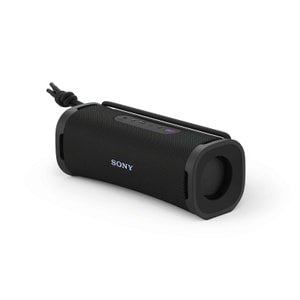
Type of speaker: Portable Bluetooth speaker • Power output (RMS): 30 W • Power output (max): 30 W
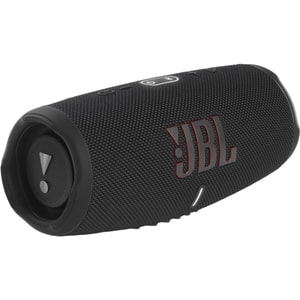
Type of speaker: Portable Bluetooth speaker • Power output (RMS): 40 W • Power output (max): 40 W
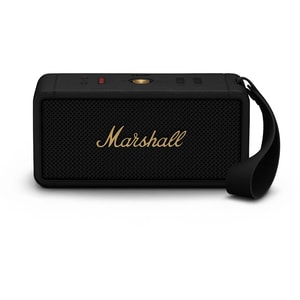
Type of speaker: Portable Bluetooth speaker • Power output (RMS): 60 W • Power output (max): 60 W
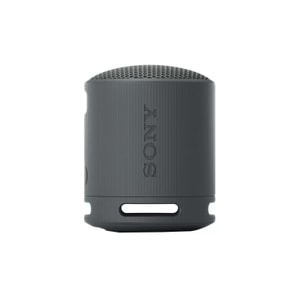
Type of speaker: Portable Bluetooth speaker • Power output (RMS): 5 W • Power output (max): 5 W

Type of speaker: Portable Bluetooth speaker • Power output (RMS): 30 W • Power output (max): 30 W
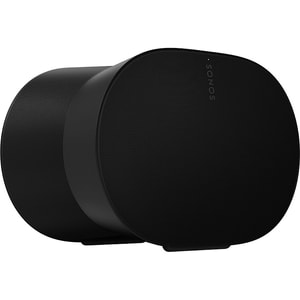
Type of speaker: Smart speaker • Power output (max): 200 W • Water resistance rating: None
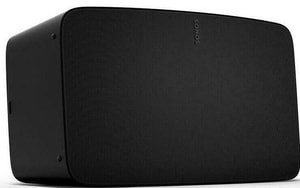
Type of speaker: Smart speaker • Water resistance rating: None • Wi-Fi: Yes
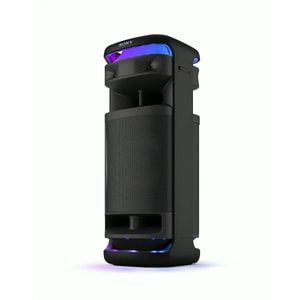
Type of speaker: Party speaker • Water resistance rating: Splashproof (top surface) • Wi-Fi: Yes
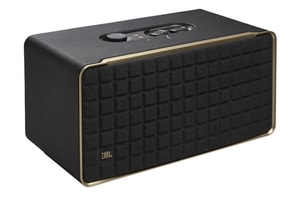
Type of speaker: Smart speaker • Power output (RMS): 270 W • Power output (max): 270 W
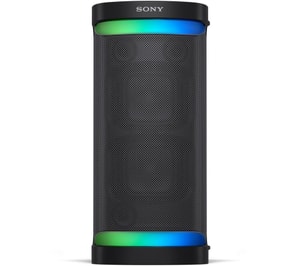
Type of speaker: Portable Bluetooth speaker • Power output (RMS): 110 W • Water resistance rating: IPX4
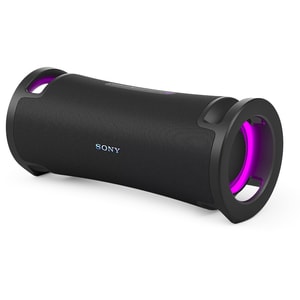
Type of speaker: Portable Bluetooth speaker • Power output (RMS): 50 W • Water resistance rating: IP67
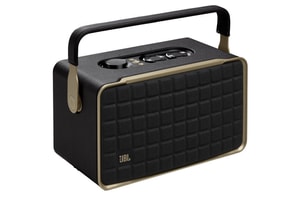
Type of speaker: Smart speaker • Power output (RMS): 100 W • Power output (max): 100 W
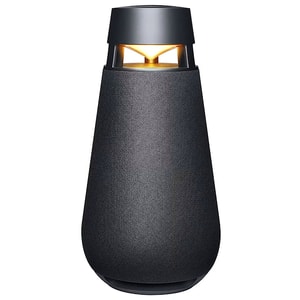
Type of speaker: Portable Bluetooth speaker • Power output (RMS): 50 W • Power output (max): 50 W
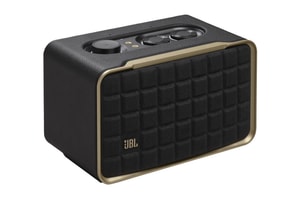
Type of speaker: Smart speaker • Power output (RMS): 90 W • Power output (max): 90 W
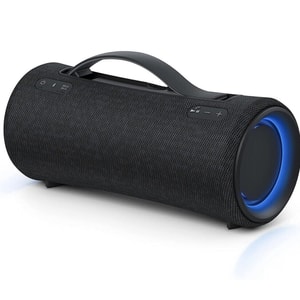
Type of speaker: Portable Bluetooth speaker • Power output (RMS): 17 W • Power output (max): 17 W
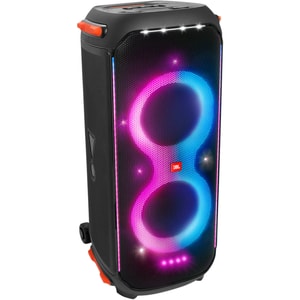
Type of speaker: Party speaker • Power output (RMS): 800 W • Water resistance rating: IPX4
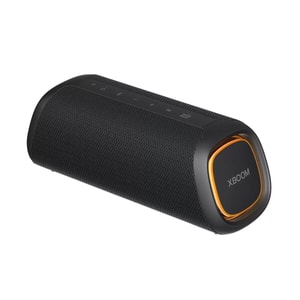
Type of speaker: Portable Bluetooth speaker • Power output (RMS): 20 W • Power output (max): 20 W
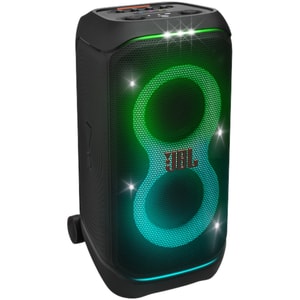
Type of speaker: Party speaker • Power output (RMS): 240 W • Water resistance rating: IPX4
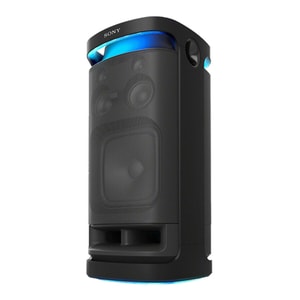
Type of speaker: Party speaker • Wi-Fi: No
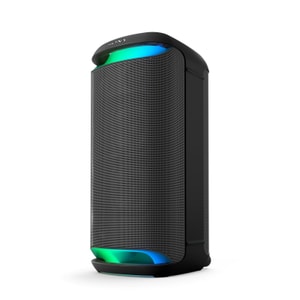
Type of speaker: Party speaker • Water resistance rating: IPX4 (vertical) • IPX2 (horizontal) • Wi-Fi: No
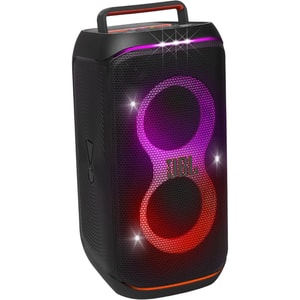
Type of speaker: Portable Bluetooth speaker • Power output (RMS): 160 W • Power output (max): 160 W
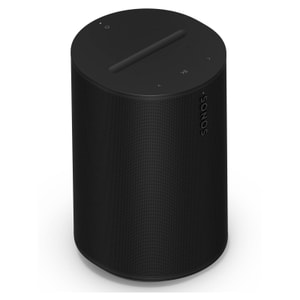
Type of speaker: Bookshelf speaker • Water resistance rating: None • Wi-Fi: Yes
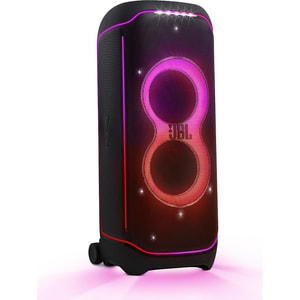
Type of speaker: Portable multi-room speaker • Power output (RMS): 1100 W • Water resistance rating: IPX4
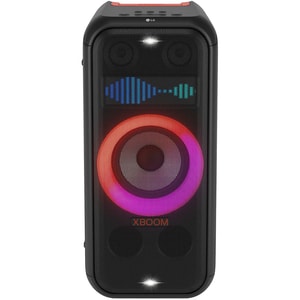
Type of speaker: Portable Bluetooth speaker • Power output (RMS): 250 W • Water resistance rating: IPX4
Speakers and smart speakers: room-filling sound that fits real life
A good speaker changes the feel of a room quickly. Music becomes something you can enjoy while cooking, working, or relaxing, rather than something that only works through a phone. The right choice also makes gatherings easier, because everyone hears the same thing clearly without turning the volume into a contest. Read More...
Within TV & Audio, speakers and smart speakers sit slightly apart from TV-first audio. A soundbar is designed around TV placement and dialogue. A speaker is usually more flexible: it can handle music properly, move between spaces, and scale into multi-room listening if you want it to. The best starting point is simple: where will it live, and what will you use it for most days?
Start with the space and the role: background music, focused listening, or parties
Speakers are sensitive to context. A compact speaker can sound brilliant in a kitchen, but feel thin in a large open-plan room. A party speaker can fill a space, but feel too dominant for everyday background listening. Decide whether your priority is everyday music, entertaining, portability, or building a setup you can expand over time.
If the speaker will stay in one place, mains-powered options can feel effortless. If you want it to move between rooms or go outside, battery life, durability, and carrying convenience become the deciding factors.
Choose the type first: portable Bluetooth, smart speaker, Wi-Fi multi-room, or party speaker
This category covers several different speaker types. Choosing the type first prevents you from comparing products that are designed for completely different jobs.
Portable Bluetooth speakers: flexible and easy to share
A portable Bluetooth speaker is the straightforward choice for casual listening, moving music around the house, or taking sound outside. Prioritise the basics you will notice: a battery that fits your habits, a build that feels robust, and controls you can use without fiddling.
Bluetooth range and stability can vary a lot in real rooms depending on walls and interference, so if you want consistent whole-home coverage, a Wi-Fi speaker setup can be the better fit. For single-room use and quick pairing, Bluetooth remains the simplest option.
Smart speakers: voice convenience and everyday control
Smart speakers are built around hands-free control as much as sound. They suit kitchens, living rooms, and home offices where you want to set timers, ask for a track, or control compatible smart devices while you’re busy.
Comfort with the “always listening” idea matters. Look for obvious microphone mute controls and behaviour that suits shared spaces, so the speaker feels useful rather than intrusive.
Wi-Fi multi-room speakers: smoother streaming and the option to expand
Wi-Fi speakers are designed for stable streaming and multi-room playback. Instead of relying on a phone to maintain a Bluetooth link, the speaker can stream more independently, which often feels smoother in day-to-day use. If you like the idea of playing the same music across multiple rooms, or different music in different spaces, Wi-Fi multi-room is usually the path that scales best.
This is also where ecosystem choices matter. If you think you may add a second speaker later, choose a platform that makes expansion feel like a simple upgrade rather than a fresh setup.
Party speakers: volume headroom, bass, and “big moment” energy
Party speakers prioritise impact. They are made for gatherings, louder playback, and bass presence, and often include lighting effects and extra inputs. If you genuinely want a speaker for events, this can be perfect.
The trade-off is subtlety and footprint. Many party speakers are too large for everyday use, so be honest about how often you want that scale in your space.
Sound quality decisions that matter more than the spec sheet
Marketing terms vary, but satisfaction usually comes down to a few fundamentals: whether the speaker stays clear at normal volume, whether bass feels controlled rather than boomy, and whether the sound remains enjoyable as you turn it up.
[H3] Stereo separation: when two speakers are worth it
One speaker can sound impressive, but true stereo separation needs left and right channels. If you care about musical detail, pairing two speakers can make vocals and instruments feel more placed and natural. It is a noticeable upgrade in a living room where you sit in one main spot.
If you mainly want background music while moving around, a single speaker with an even sound can be the more practical choice.
Headroom and room size: why bigger spaces need more speaker
In a larger room, you usually need more headroom to keep sound relaxed. This is not about chasing maximum loudness. It is about a speaker playing your normal volume without sounding strained. When a speaker has headroom, it tends to sound cleaner on bass-heavy tracks and more stable at party volumes.
Connectivity and real-world use: how you will actually play music
Most people use wireless playback day to day, but it is still worth checking what you will connect. If you want to plug in a turntable, laptop, or TV, look for the inputs you need, such as a 3.5mm aux, RCA, or optical. These details prevent frustration later.
If your main goal is improving TV dialogue and film sound, Sound Bars are usually the cleaner solution because they are designed for TV placement and connections. Speakers can work for casual TV listening, but setup, volume control, and lip-sync depend heavily on how you connect.
Durability and portability: what “water resistant” really means
If you want an outdoor speaker, durability matters as much as sound. Water and dust resistance is commonly communicated via an IP rating, which indicates protection against ingress. A higher water rating generally means better resistance to splashes or temporary immersion, while dust protection matters for beaches, workshops, and gardens.
Also think about practical handling: a speaker that is easy to carry, stands securely on a worktop, and has controls you can operate with wet hands tends to get used more.
Placement and setup: easy changes that improve sound immediately
Placement is one of the highest-impact improvements because it costs nothing. Give the speaker space rather than hiding it in a tight shelf where sound is blocked. If bass feels heavy, moving the speaker away from corners can help. If sound feels thin, bringing it closer to the listening position can make a surprising difference at the same volume.
For multi-room setups, consistency helps. If each speaker is placed in a sensible, open position in its room, the “whole home” effect feels smoother and more balanced.
When speakers are not the right answer
If you want private listening without changing the room, Headphones & Earphones are often the most practical complement to a speaker setup. For shared viewing, Televisions paired with TV-first audio usually deliver the most satisfying “everyone can hear it clearly” result.
If you are building a cinema-style setup around a different display approach, Projectors can also shape which speaker style makes sense, because placement and cabling become part of the plan.
Quick checklist: shortlist speakers and smart speakers with confidence
Use this to narrow choices without overthinking it:
- Choose the role: everyday music, portability, parties, or multi-room
- Pick the type: portable Bluetooth speaker, smart speaker, Wi-Fi multi-room speaker, or party speaker
- Match the room: larger spaces need more headroom to stay clean at normal volume
- Decide if stereo matters: one speaker for convenience, two for true left-right separation
- Check inputs and services: make sure it connects the way you actually listen
- Plan the wider setup: soundbars for TV-first audio, headphones for private listening