
AEG Ovens
AEG ovens cover three real choices: how many cavities you need, how the oven cleans itself, and which finish suits your kitchen. The line-up runs from sensible single ovens to twin-cavity doubles and compact built-ins, with pyrolytic and catalytic options across stainless steel, black and matt black.
- Relevance
- Price: Low - High
- Price: High - Low
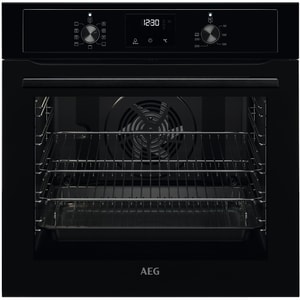
Single oven • Fuel: Electric • Cleaning Method: Aqua Clean
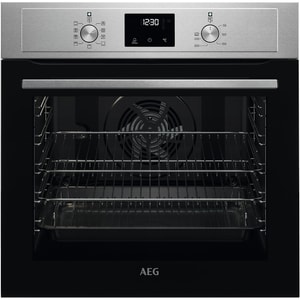
Single oven • Fuel: Electric • Cleaning Method: Aqua Clean
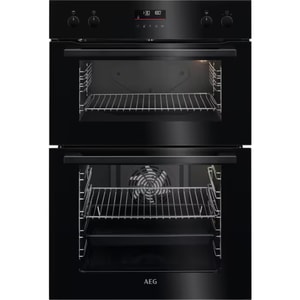
Double oven • Fuel: Electric • Cleaning Method: Catalytic
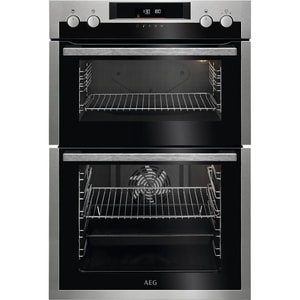
Double oven • Fuel: Electric • Cleaning Method: Catalytic
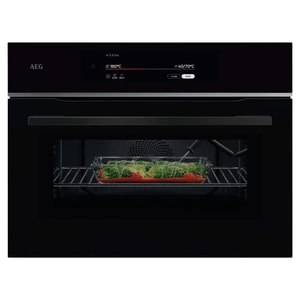
Type: Compact oven • Fuel: Electric • Cleaning Method: Pyrolytic
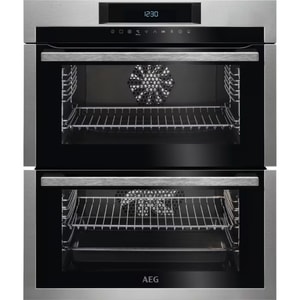
Type: Double oven • Fuel: Electric • Cleaning Method: Catalytic
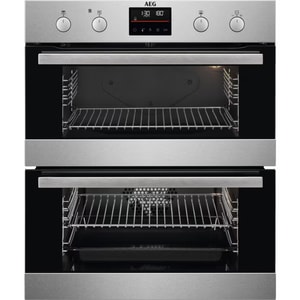
Type: Double oven • Fuel: Electric • Cleaning Method: Catalytic
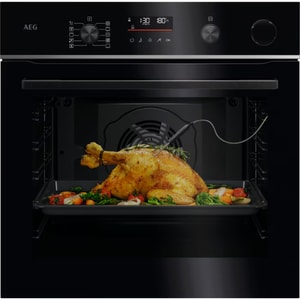
Type: Single oven • Fuel: Electric • Cleaning Method: Pyrolytic
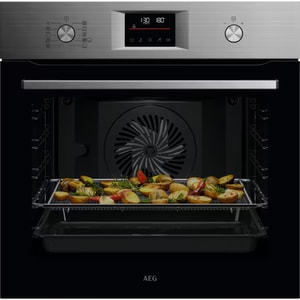
Type: Single oven • Fuel: Electric • Cleaning Method: Pyrolytic
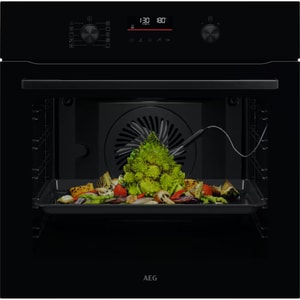
Type: Single oven • Fuel: Electric • Cleaning Method: Pyrolytic
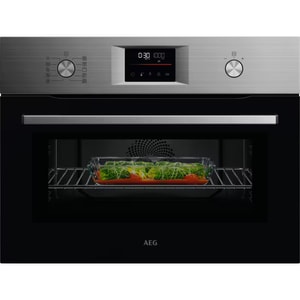
Type: Compact oven • Fuel: Electric • Cleaning Method: Pyrolytic
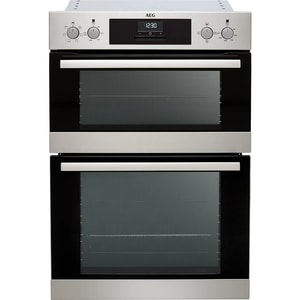
Type: Double oven • Fuel: Electric • Cleaning Method: Catalytic
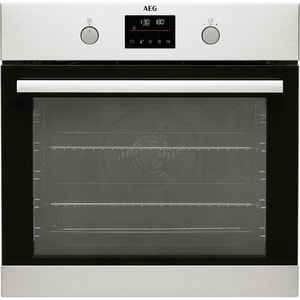
Type: Single oven • Fuel: Electric • Cleaning Method: Pyrolytic
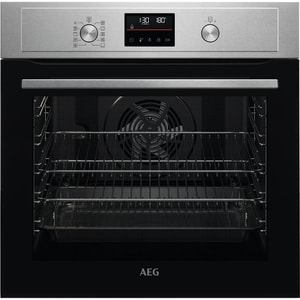
Type: Single oven • Fuel: Electric • Cleaning Method: Pyrolytic
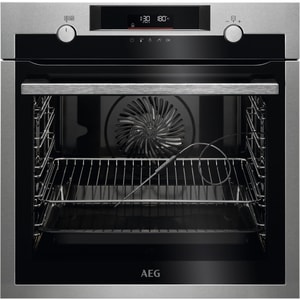
Type: Single oven • Fuel: Electric • Cleaning Method: Pyrolytic
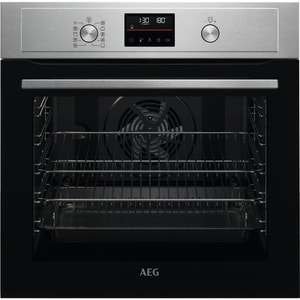
Type: Single oven • Fuel: Electric • Cleaning Method: Pyrolytic
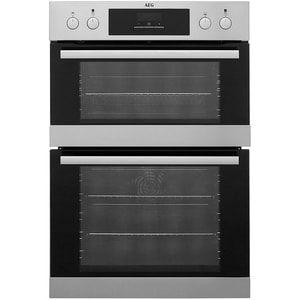
Type: Double oven • Fuel: Electric • Cleaning Method: Catalytic
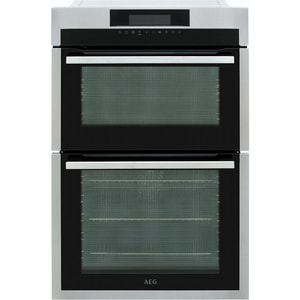
Type: Double oven • Fuel: Electric • Cleaning Method: Catalytic
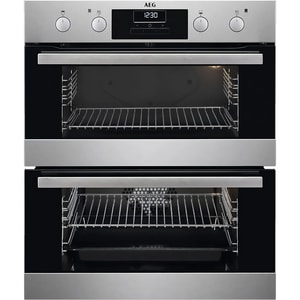
Type: Double oven • Fuel: Electric • Cleaning Method: Catalytic
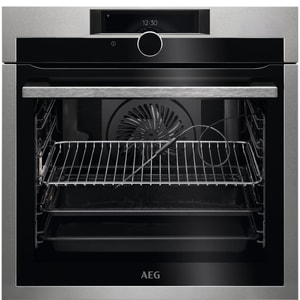
Type: Single oven • Fuel: Electric • Cleaning Method: Pyrolytic
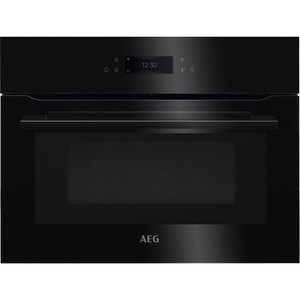
Type: Compact oven with microwave • Fuel: Electric • Cleaning Method: Easy clean enamel
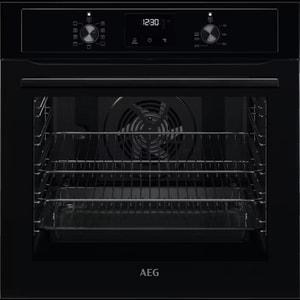
Type: Single oven • Fuel: Electric • Cleaning Method: Aqua Clean
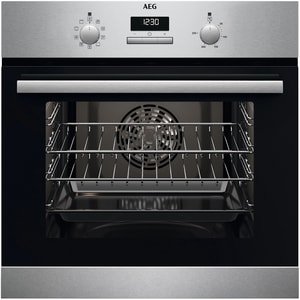
Type: Single oven • Fuel: Electric • Cleaning Method: Catalytic
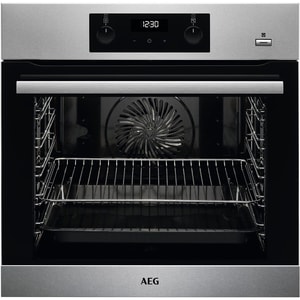
Type: Single oven • Fuel: Electric • Cleaning Method: Hydrolytic
Single, double or compact, which suits your kitchen?
A single oven gives you the largest usable cavity in a 60 cm wide slot, so it's the default for most kitchens and the easiest swap when you're replacing an older oven. A double pairs a main cavity for the Sunday roast with a smaller top cavity for grilling, sides or a second temperature, useful when you regularly cook two dishes at once. Compact ovens sit in a 45 cm high niche, often above a main oven in a tower, and several pair an oven with a microwave so you can defrost, reheat and bake in one slot. Read More...
If you're starting from a single slot, sticking with a single or compact replacement is the path of least disruption. Moving to a double almost always means a taller tower and new cabinetry.
Pyrolytic, catalytic or aqua, which cleaning system earns its keep?
Pyrolytic is the heaviest hitter. The cavity heats to a very high temperature and turns baked-on grease to ash you wipe out with a damp cloth. It's the easiest long-term option if you roast often or share the oven with a busy household. Catalytic liners do quieter work, absorbing splashes during normal cooking, and tend to feature on mid-priced AEG ovens. Aqua, hydrolytic and steam-based cleaning use water in the base of a cool cavity to soften light residue, fine for tidy cooks but not a substitute for pyrolytic if your oven sees serious use.
Cleaning system also nudges you toward a series. AEG's 6000 series spreads catalytic and pyrolytic across price points, while 7000 SteamCrisp and 8000 series ovens lean into steam-assisted baking and pyrolytic cleaning together.
Will it actually fit, and will it run on a normal plug?
Most AEG single ovens drop into a 60 cm wide, roughly 59 cm high niche, with a built-in double needing a taller cabinet, typically around 88 to 90 cm. Compact ovens want a 45 cm high niche. Before you buy, measure the recess internal width, height and depth, and check the door swing clears adjacent handles and worktop returns.
Power matters too. Some AEG single ovens are rated to run on a standard 13 A plug, which makes a like-for-like swap straightforward. Larger doubles and high-output single ovens usually need a dedicated cooker circuit installed by a qualified electrician. The kW rating on the product spec tells you which camp the model sits in, and AEG's installation diagram shows the cooling-air gaps you'll need to leave clear.
Which AEG features are worth paying more for?
Steam-assist, branded SteamBake on mid-range models and SteamCrisp on the 7000 series, helps bread and pastry rise with a better crust and keeps roast meat from drying out. If you bake weekly, it's a feature you'll feel.
A core temperature probe is the other quietly useful upgrade. Set the internal temperature you want for a joint or a loaf and the oven holds you to it, no guesswork. Telescopic runners are worth having if you regularly baste or move heavy trays. Pyrolytic plus a soft-close door usually signals you're in 6000 series territory or above.
Finish is a real decision too, not just cosmetic. Stainless steel handles fingerprints differently to matt black, and a fully black or matt black oven blends into a dark handleless kitchen where stainless can interrupt the run.
Frequently Asked Questions
Both terms describe an oven that sits inside cabinetry with a furniture-style fit, and retailers use them interchangeably. The practical question is the recess size: a single oven fits a standard 60 cm wide, roughly 59 cm high housing, while a built-in double needs a taller column. Always cross-check the model's installation diagram against your cabinet opening before you commit.
If you roast and bake more than once a week, yes. A pyrolytic cycle reduces baked-on grease to a fine ash you wipe out, which saves real time compared with scrubbing. If your oven mostly heats ready meals and the occasional tray bake, catalytic liners or an aqua/steam clean handle the lighter workload without the price step up.
A single-to-single swap is usually straightforward. Going from a single to a double almost always means new cabinetry, because doubles need a taller recess and often a different power circuit. Compact-to-compact replacements work cleanly inside a 45 cm tower slot, and a compact-with-microwave can replace a separate built-in microwave if cabinetry allows.
Some single ovens are designed to plug into a standard kitchen socket on a 13 A circuit, which keeps installation simple. Higher-output singles, most doubles, and ovens paired with hobs usually need a dedicated cooker circuit and a qualified electrician. Check the kW rating and the installation notes on the specific model.
SteamBake adds a measured burst of steam during conventional baking, useful for crustier loaves and lighter pastry. SteamCrisp, found on 7000 series ovens, treats steam as a full cooking mode, so you can steam vegetables and fish or combine steam with hot air for roast meat. If you bake bread weekly or cook a lot of fish, SteamCrisp earns its slot.
6000 series is the everyday sweet spot, with catalytic and pyrolytic options and reliable multifunction cooking. 7000 SteamCrisp adds full steam cooking on top of conventional and fan modes. 8000 series sits at the top with refined controls, more advanced steam and probe options, and pyrolytic cleaning across most models.
Stainless steel hides scratches well but shows fingerprints, especially around the handle. Black and matt black ovens hide marks better and suit handleless or dark cabinetry, though matt finishes can show greasy spots until wiped. Pick the finish that matches the rest of your appliance run, then check the door glass colour, which differs between series.
A standard AEG single oven cavity sits around 70 to 77 litres, enough for most family roasting trays and a typical Sunday lunch. A double gives you that main cavity plus a smaller top oven, useful when you want to bake at one temperature and roast at another. Compact ovens trade litres for height, so they're better paired with a main oven below than used as the only oven in the kitchen.