
Black Ovens
Black ovens pull a kitchen together when the hob, hood and handles already lean dark. The choice splits quickly: single or double cavity, built-in or built-under, and whether you want pyrolytic self-cleaning or an enamel liner you wipe down yourself. Fuel is almost always electric.
- Relevance
- Price: Low - High
- Price: High - Low
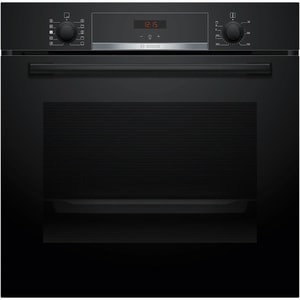
Single oven • Fuel: Electric • Cleaning Method: Hydrolytic
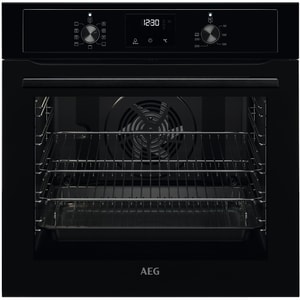
Single oven • Fuel: Electric • Cleaning Method: Aqua Clean
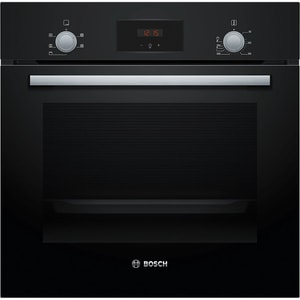
Single oven • Fuel: Electric • Cleaning Method: Enamel
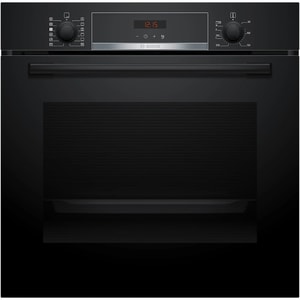
Single oven • Fuel: Electric • Cleaning Method: Pyrolytic
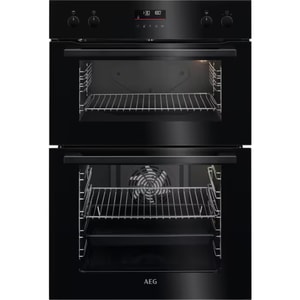
Double oven • Fuel: Electric • Cleaning Method: Catalytic
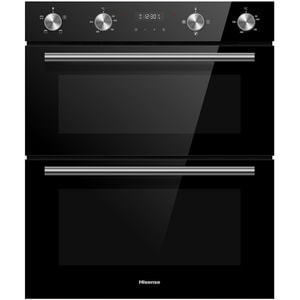
Double oven • Fuel: Electric • Cleaning Method: Pyrolytic
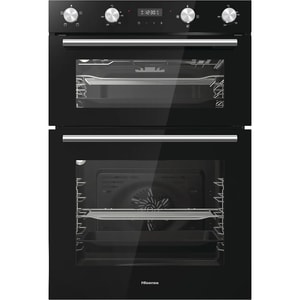
Double oven • Fuel: Electric • Cleaning Method: Enamel
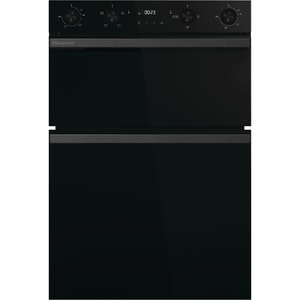
Double oven • Fuel: Electric • Cleaning Method: Catalytic
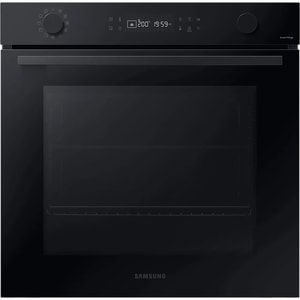
Single oven • Fuel: Electric • Cleaning Method: Catalytic
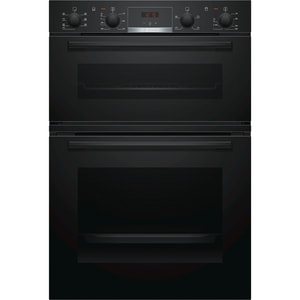
Double oven • Fuel: Electric • Cleaning Method: EcoClean Direct + Enamel
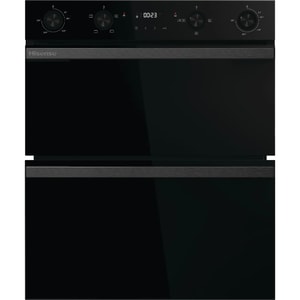
Double oven • Fuel: Electric • Cleaning Method: Enamel
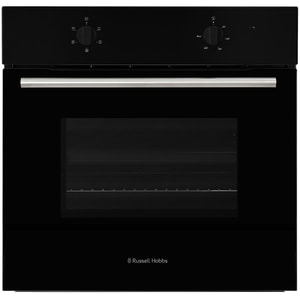
Single oven • Fuel: Electric • Cleaning Method: Easy clean enamel
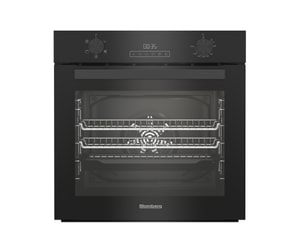
Type: Single oven • Fuel: Electric • Cleaning Method: Enamel
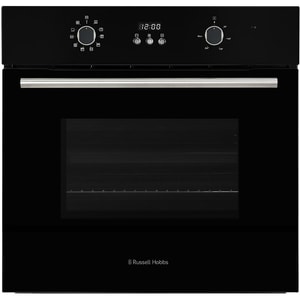
Single oven • Fuel: Electric • Cleaning Method: Enamel
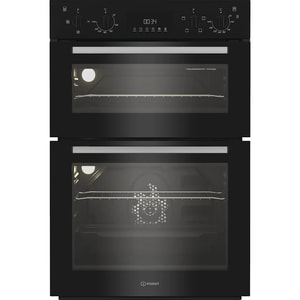
Double oven • Fuel: Electric • Cleaning Method: Enamel
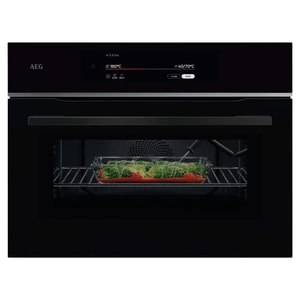
Type: Compact oven • Fuel: Electric • Cleaning Method: Pyrolytic
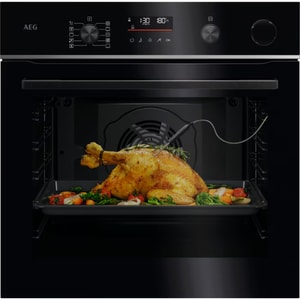
Type: Single oven • Fuel: Electric • Cleaning Method: Pyrolytic
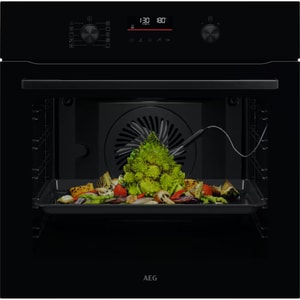
Type: Single oven • Fuel: Electric • Cleaning Method: Pyrolytic
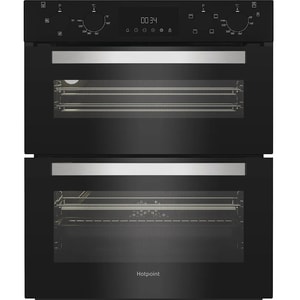
Type: Double oven • Fuel: Electric • Cleaning Method: Enamel
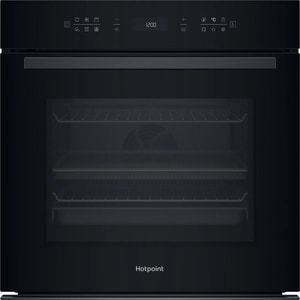
Type: Single oven • Fuel: Electric • Cleaning Method: Pyrolytic, Hydrolytic
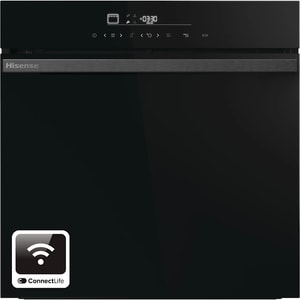
Type: Single oven • Fuel: Electric • Cleaning Method: Pyrolytic
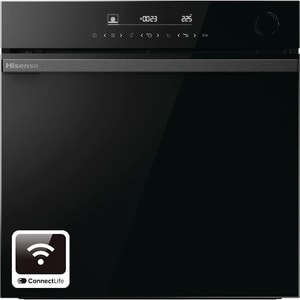
Type: Single oven • Fuel: Electric • Cleaning Method: Pyrolytic
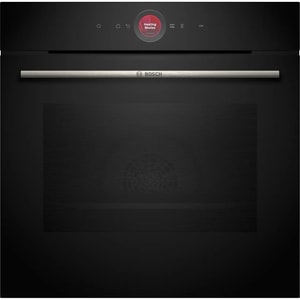
Type: Single oven • Fuel: Electric • Cleaning Method: Pyrolytic
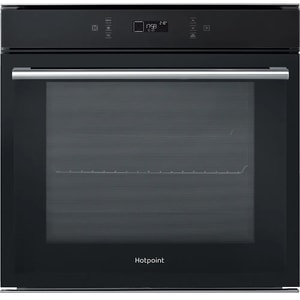
Single oven • Fuel: Electric • Cleaning Method: Pyrolytic
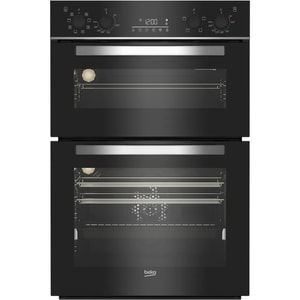
Type: Double oven • Fuel: Electric • Cleaning Method: SimplySteam
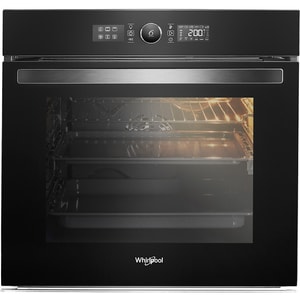
Type: Single oven • Fuel: Electric • Cleaning Method: Catalytic
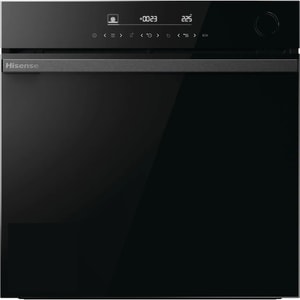
Type: Single oven • Fuel: Electric • Cleaning Method: Pyrolytic
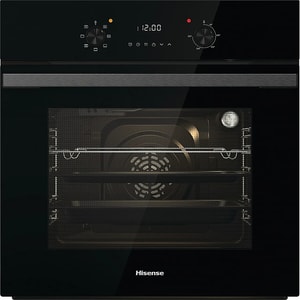
Type: Single oven • Fuel: Electric • Cleaning Method: Easy clean enamel
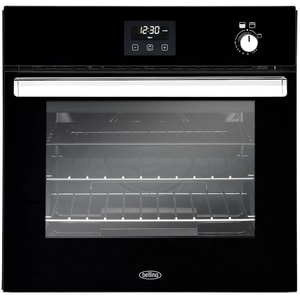
Type: Single oven • Fuel: Gas • Cleaning Method: Enamel
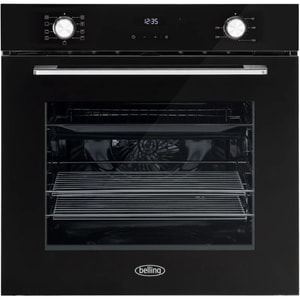
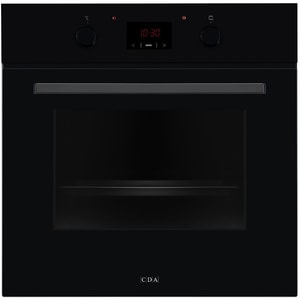
Type: Single oven • Fuel: Electric • Cleaning Method: Steam clean
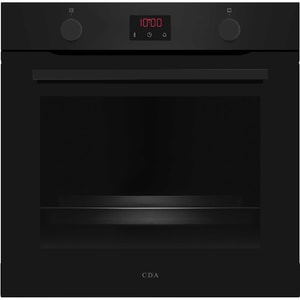
Type: Single oven • Fuel: Electric • Cleaning Method: Pyrolytic
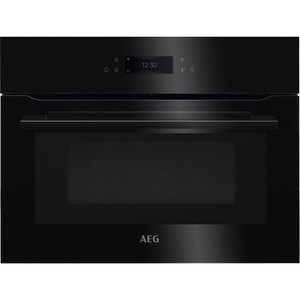
Type: Compact oven with microwave • Fuel: Electric • Cleaning Method: Easy clean enamel
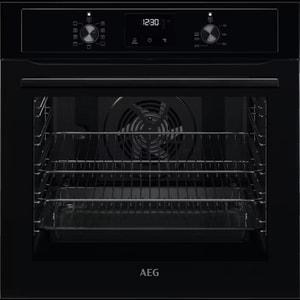
Type: Single oven • Fuel: Electric • Cleaning Method: Aqua Clean
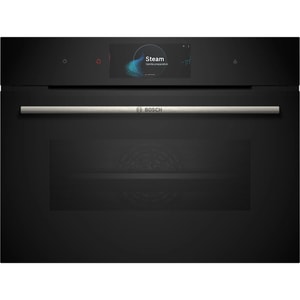
Type: Compact oven with steam • Fuel: Electric • Cleaning Method: EcoClean Direct + Descaling
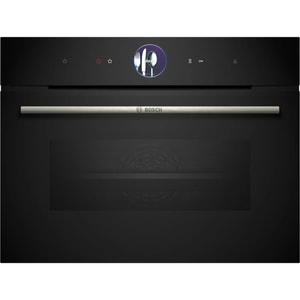
Type: Compact oven with steam • Fuel: Electric • Cleaning Method: Catalytic, Hydrolytic
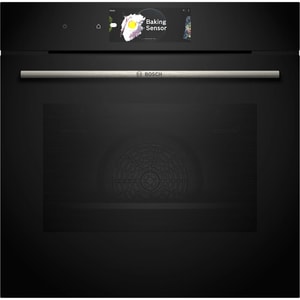
Type: Single oven • Fuel: Electric • Cleaning Method: Pyrolytic
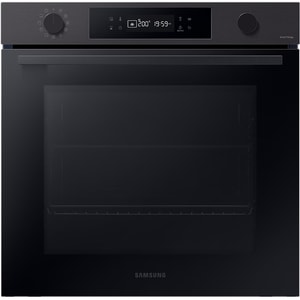
Type: Single oven • Fuel: Electric • Cleaning Method: Catalytic
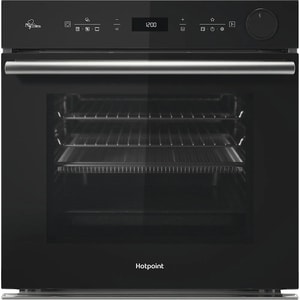
Type: Single oven • Fuel: Electric • Cleaning Method: Steam clean
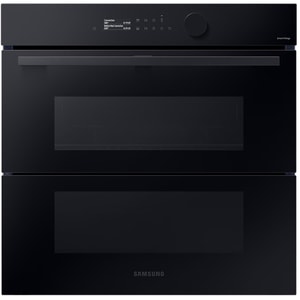
Type: Single oven • Fuel: Electric • Cleaning Method: Pyrolytic
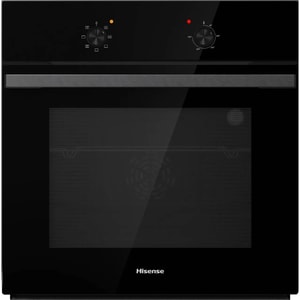
Type: Single oven • Fuel: Electric • Cleaning Method: Enamel
Single, double or built-under, which one fits your kitchen?
A standard 60cm single oven slots into a tall housing unit at eye level, and that's the layout most fitted kitchens are designed around. Double ovens need a taller housing, but they earn their keep when a Sunday roast and a tray of potatoes need different temperatures at the same time. Read More...
Built-under doubles are shorter and sit beneath the worktop, which is the right call when wall cabinets are full or when the hob is going on top.
Single ovens dominate the black oven line-up, doubles are the next biggest group, and a small number of compact models pair an oven with a microwave or steam function in a 45cm housing for tighter runs.
Electric or gas, and what about the fan?
Almost every black oven you'll come across is electric. Gas built-in ovens are now a niche, mostly chosen by households on LPG or in flats without a 32A cooker circuit. If you're replacing like for like, check the existing supply before you buy.
Within electric, fan ovens (or multifunction ovens with a fan setting) are the default. The fan moves heat evenly across shelves so you can bake on two levels without rotating trays. Conventional-only ovens are rare and tend to be entry models.
Which cleaning method actually saves you scrubbing?
Pyrolytic ovens heat the cavity to around 500C and turn grease to ash you brush out. They cost more upfront and use more energy per clean, but the payoff is real if you roast often.
Catalytic liners absorb fat at normal cooking temperatures and slowly break it down. Hydrolytic uses a low-temperature steam cycle from a tray of water. Both are gentler on the wallet than pyrolytic, both need occasional manual help.
Enamel and easy-clean enamel are the standard finish on lower-priced models. Treat them as wipe-down rather than self-clean.
Will a true matt black hold up next to a stainless hob?
Black isn't one finish. Gloss black with a glass front is the most common, sits well next to chrome and shows fingerprints. Matt black, including AEG's matt black range, hides smudges better but can mark if you lean on it with a wet cloth. A few models pair black glass with a stainless steel trim or graphite frame, useful when the rest of the kitchen has stainless appliances and you don't want a head-on clash.
Which brands are worth knowing for a black oven?
Bosch and Neff sit at the premium end, Series 8 and the higher Neff lines bring pyrolytic cleaning, slide-and-hide doors and steam assist. AEG and Samsung overlap that bracket with their own takes on steam and pyrolytic, Samsung's Bespoke series in particular leans into the matt black look.
Hotpoint, Hisense, Belling, CDA, Candy, Hoover, Indesit, Zanussi, Russell Hobbs and Montpellier cover the mid and entry tiers, where you're choosing between catalytic and enamel rather than pyrolytic, and where double ovens are most affordable.
How big is a 60cm oven really, and will yours fit?
The 60cm label refers to the housing width. Cavity volume is the number that actually decides what you can roast, and it ranges from roughly 65 to 75 litres on a single oven and 90 litres or more across both cavities on a double. Before you buy, measure the housing height (typically 590mm for a single, 888mm or 720mm for a double), the width, and crucially the depth from the back wall to the door front, hinges and trim eat more space than you'd think.
Frequently Asked Questions
No. The colour of the door is cosmetic. What matters is the number of glass panes in the door (triple glazing keeps the outer panel cool to touch) and the insulation around the cavity, both spec-sheet items rather than colour-driven.
Gloss black glass shows prints, particularly under downlights. Matt black hides them better. If gloss is the finish you want, a microfibre and a glass cleaner once a week is enough. AEG matt black and Samsung's onyx finish are the lower-maintenance options visually.
If you roast meat or bake regularly, yes. Pyrolytic turns spills to ash in around two hours and you brush it out cold. If you mainly reheat and bake the odd tray, catalytic or hydrolytic does the job for less money.
Only if you're putting a separate hob on the worktop above. Built-under ovens fit a 720mm housing under the counter and don't have a hob built in, unlike a freestanding cooker. Most kitchen rebuilds go this route because it gives you a flush worktop.
Most single black ovens under 3kW will run from a 13A plug if the manufacturer permits it, check the manual. Double ovens and pyrolytic models almost always need a dedicated 32A cooker circuit because the elements draw more during a self-clean.
Only if you're already on gas and committed to it. The selection is small, fan-assisted gas options are rare, and most modern kitchens default to electric for the temperature accuracy and easier installation.
Black has had a long run as a kitchen finish and shows no sign of fading from spec books. The thing that dates an oven is the control style, dial-and-button panels age faster than touch-and-display, regardless of colour.
In oven language they're used interchangeably, both mean the oven slides into a housing unit and is held by screws into the cabinet sides. "Integrated" is more often used for fridges and dishwashers where a cabinet door is fitted on top, ovens don't get cabinet fronts.