
Bosch Ovens
Bosch builds electric ovens around even fan heat, clear controls and cleaning options that suit how often you actually cook. Whether the priority is a single built-in for everyday meals, a double for parallel cooking, or a compact oven with steam for sharper baking, the choice comes down to cabinet fit, cleaning method and the few features you'll genuinely use.
- Relevance
- Price: Low - High
- Price: High - Low
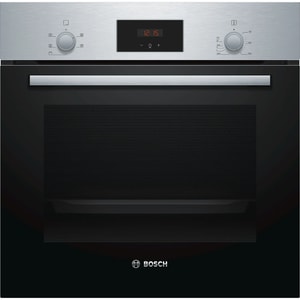
Single oven • Fuel: Electric • Cleaning Method: Enamel
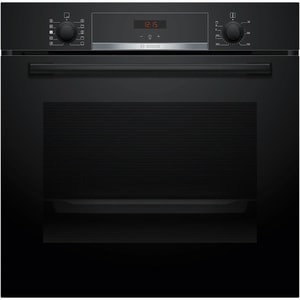
Single oven • Fuel: Electric • Cleaning Method: Hydrolytic
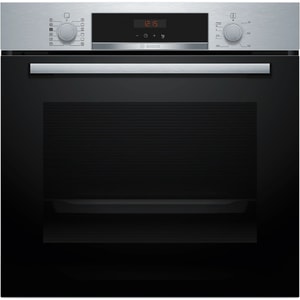
Single oven • Fuel: Electric • Cleaning Method: Pyrolytic
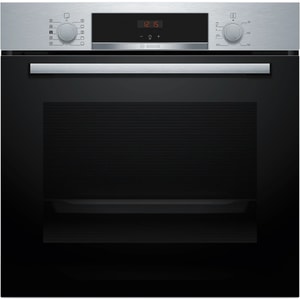
Single oven • Fuel: Electric • Cleaning Method: EcoClean Direct
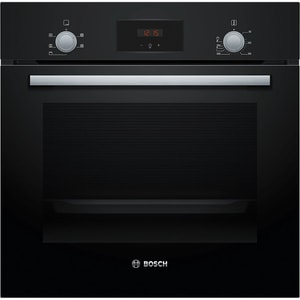
Single oven • Fuel: Electric • Cleaning Method: Enamel
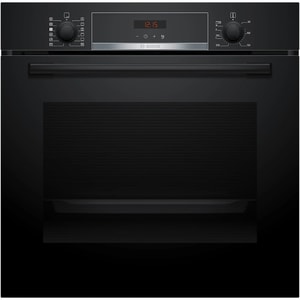
Single oven • Fuel: Electric • Cleaning Method: Pyrolytic
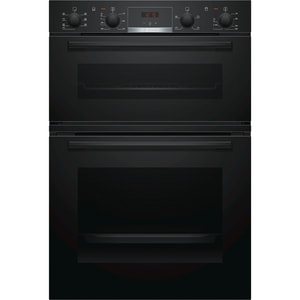
Double oven • Fuel: Electric • Cleaning Method: EcoClean Direct + Enamel
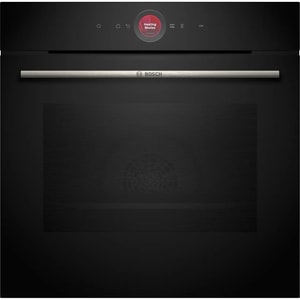
Type: Single oven • Fuel: Electric • Cleaning Method: Pyrolytic
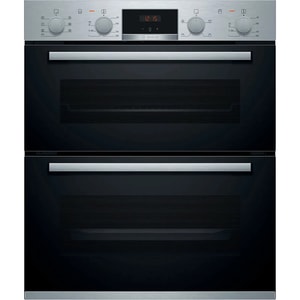
Type: Double oven • Fuel: Electric • Cleaning Method: EcoClean Direct + Enamel
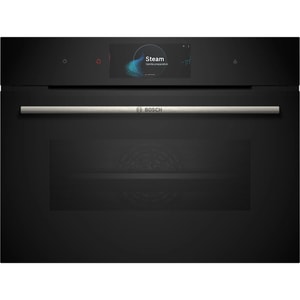
Type: Compact oven with steam • Fuel: Electric • Cleaning Method: EcoClean Direct + Descaling
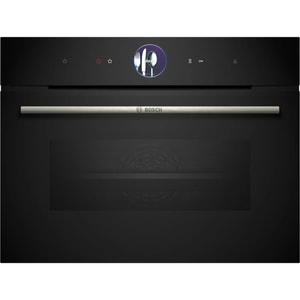
Type: Compact oven with steam • Fuel: Electric • Cleaning Method: Catalytic, Hydrolytic
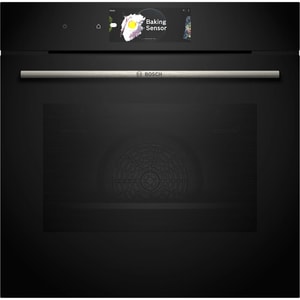
Type: Single oven • Fuel: Electric • Cleaning Method: Pyrolytic
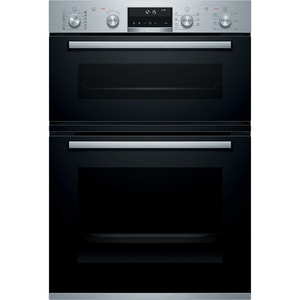
Type: Double oven • Fuel: Electric • Cleaning Method: Pyrolytic
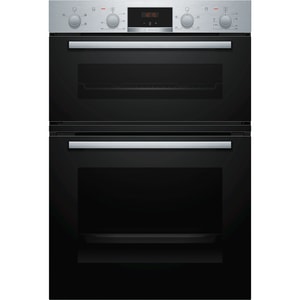
Type: Double oven • Fuel: Electric • Cleaning Method: Catalytic
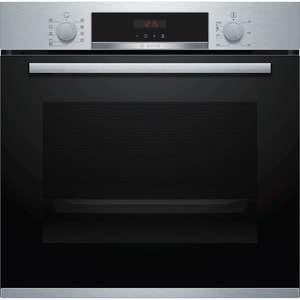
Type: Single oven • Fuel: Electric • Cleaning Method: Pyrolytic
Single, double or compact with steam?
A single built-in is the right answer for most UK kitchens. It gives the largest single cavity, fits a standard 60 cm wide, roughly 59 cm tall niche, and handles a Sunday roast, batch trays and weeknight meals without fuss. Read More...
Pick a Bosch double oven if you regularly want a roast and a tray of sides at different temperatures, or you grill while something bakes. Built-in doubles need a tall tower housing (around 88 to 90 cm niche). Built-under doubles slot beneath a worktop in a 72 cm niche, useful in galley layouts where a tower cabinet isn't possible.
A compact oven with steam is the choice if bread, fish and reheated leftovers matter to you. Steam keeps crusts crisp without drying the inside, and the smaller cavity heats faster for midweek meals.
Will it fit, and will the circuit cope?
Measure the cabinet cut-out height, width and depth, then check door swing and your delivery route. Bosch publishes cut-out diagrams per model, so match them rather than assuming standard.
Check the rating plate before you commit. Some Bosch single ovens are 13 amp plug-in, which is the simplest swap. Higher-output singles, doubles and compact steam models are usually hardwired on a dedicated cooker circuit. If yours is older, get an electrician to confirm it's rated for the new load.
Leave the ventilation gaps the manual asks for. Cooling airflow protects the electronics and keeps cycle times honest.
Worth paying more for pyrolytic cleaning?
If you roast often, yes. Pyrolytic heats the cavity until residue turns to ash you wipe away, which is the lowest-effort option on the market. EcoClean Direct uses a catalytic coating on the side and rear panels to absorb splashes during normal cooking, refreshed by an occasional hot run. Hydrolytic uses water and a low-temperature cycle, gentler on energy but better for light soiling. Catalytic liners sit between the two, low effort for everyday spatter.
Which features earn their place?
Fan heat (Bosch calls it 3D Hotair on higher models) cooks evenly across multiple shelves, which matters for biscuits, meringues and tray bakes.
A meat probe pulls roasts at core temperature rather than by colour, the difference between medium and overdone.
Telescopic runners let you baste a heavy tin one-handed without lifting it clear of the cavity.
Specialist modes such as pizza setting, intensive bottom heat or gentle top and bottom heat are worth having only if the food you cook actually needs them. A pizza setting on a once-a-year cook is wasted spend.
Black or stainless steel, and does the series matter?
Black glass blends into dark cabinetry and hides fingerprints well. Stainless steel suits lighter kitchens and sits comfortably next to other appliances in the same finish. Both are equally easy to wipe.
Series numbers signal the feature tier within Bosch's range. Lower series cover the essentials (fan, grill, conventional, basic cleaning). Higher series add things like pyrolytic cleaning, sharper temperature control, sometimes added steam. Decide on the features first, then buy at the lowest series that includes them.
Frequently Asked Questions
Built-in usually means the oven sits at eye level inside a tall housing, often above a warming drawer or microwave. Built-under means it slots beneath the worktop next to a hob. Built-under doubles use a 72 cm niche, built-in doubles need around 88 to 90 cm. Always cross-check the model's cut-out diagram against the cabinet you have.
For everyday cooking, yes. The trade-off is total power. A 13 amp model caps below 3 kW, so preheats can take a touch longer and very high-output grills aren't on the menu. The benefit is a straightforward installation without an electrician on the day of delivery.
The oven heats the empty cavity to around 480 degrees, turning baked-on grease and food residue into a fine ash. Once it's cool, you wipe it out with a damp cloth. Run it on a quiet evening, expect a faint burn-off smell on the first cycle, and remove the shelves first if the manual says so.
EcoClean Direct and catalytic liners are coatings on the side and rear panels that absorb splashes during normal cooking, refreshed by running the oven hot. Hydrolytic uses a small amount of water and a low-temperature cycle to soften residue you then wipe out. EcoClean is lowest effort for everyday use, hydrolytic is gentler on energy, pyrolytic is the deepest clean.
Often, yes, if you have or can add a tall tower cabinet. A built-in double needs more height than a single. If swapping in the same housing isn't possible, a built-under double inside a worktop run is usually the simpler retrofit.
If you bake bread, cook fish or reheat leftovers without drying them out, the steam function pays for itself in results. The cavity is smaller, so it isn't the answer for a large Sunday roast, but it pairs well as a second oven alongside a main single or double.
Modern built-in electric ovens cluster between A and A+. The rating reflects the cavity's energy use across standard cycles. The bigger savings come from cooking habits, batch baking when the oven is hot and using fan modes that preheat faster, rather than chasing a single rating step.
Manufacturer warranty covers the appliance itself, not installation. Keep the receipt, register the oven with Bosch after fit, and ensure the install is done by a competent person to UK wiring regulations. That keeps both manufacturer cover and home insurance valid if anything goes wrong.