
Built-In Single Ovens
A single oven sits in a tall housing or under a worktop and handles everything from a Sunday roast to weeknight trays. Choices come down to capacity, cleaning method, and whether features like slide and hide doors or pyrolytic self-clean justify the step up.
- Relevance
- Price: Low - High
- Price: High - Low
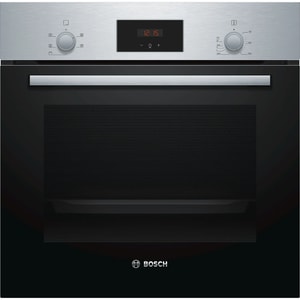
Single oven • Fuel: Electric • Cleaning Method: Enamel
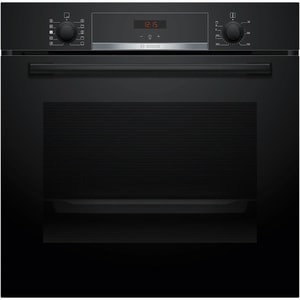
Single oven • Fuel: Electric • Cleaning Method: Hydrolytic
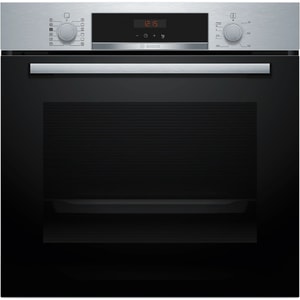
Single oven • Fuel: Electric • Cleaning Method: Pyrolytic
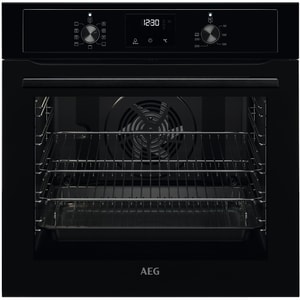
Single oven • Fuel: Electric • Cleaning Method: Aqua Clean
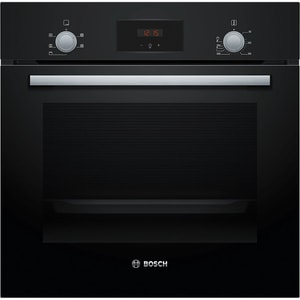
Single oven • Fuel: Electric • Cleaning Method: Enamel
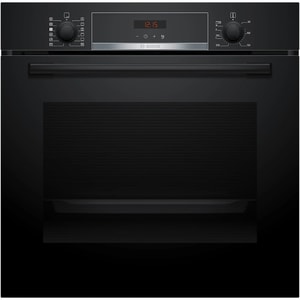
Single oven • Fuel: Electric • Cleaning Method: Pyrolytic
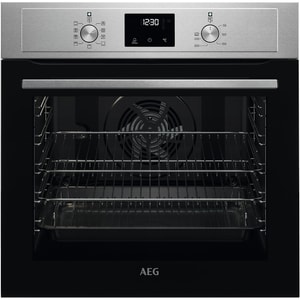
Single oven • Fuel: Electric • Cleaning Method: Aqua Clean
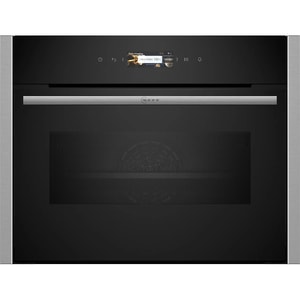
Single oven • Fuel: Electric • Energy Efficiency Class: A
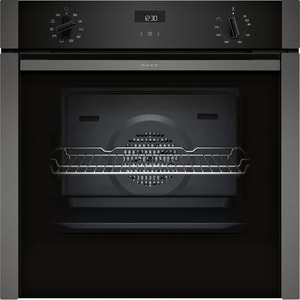
Single oven • Fuel: Electric • Cleaning Method: Catalytic, Hydrolytic
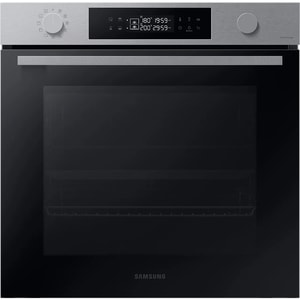
Single oven • Fuel: Electric • Cleaning Method: Catalytic
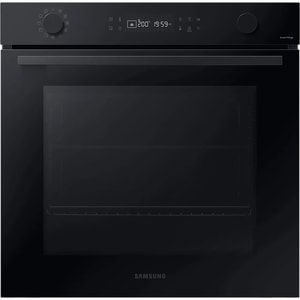
Single oven • Fuel: Electric • Cleaning Method: Catalytic
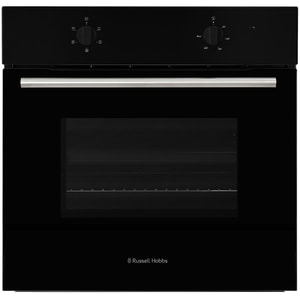
Single oven • Fuel: Electric • Cleaning Method: Easy clean enamel
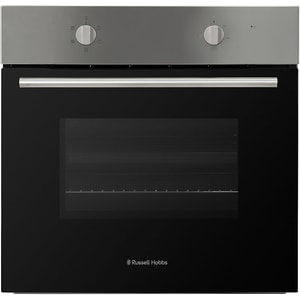
Single oven • Fuel: Electric • Cleaning Method: Enamel
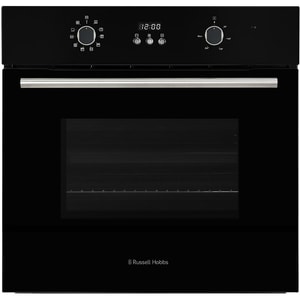
Single oven • Fuel: Electric • Cleaning Method: Enamel
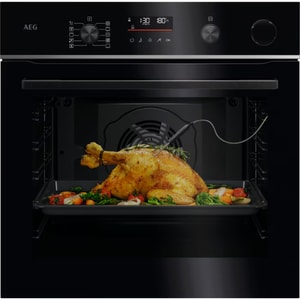
Type: Single oven • Fuel: Electric • Cleaning Method: Pyrolytic
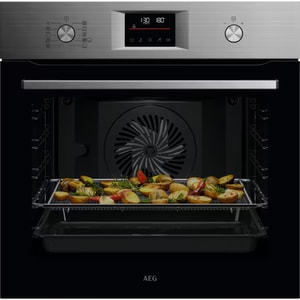
Type: Single oven • Fuel: Electric • Cleaning Method: Pyrolytic
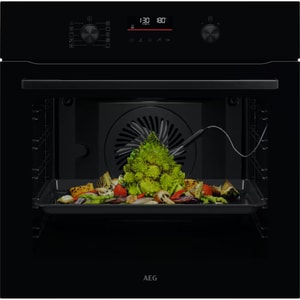
Type: Single oven • Fuel: Electric • Cleaning Method: Pyrolytic
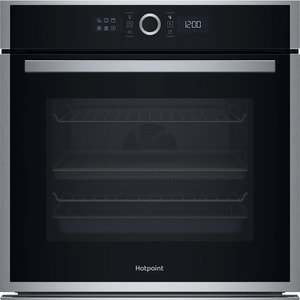
Type: Single oven • Fuel: Electric • Cleaning Method: Hydrolytic
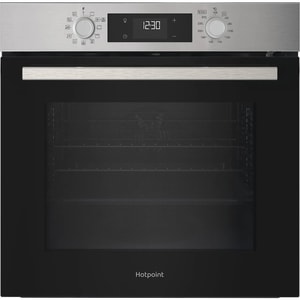
Type: Single oven • Fuel: Electric • Cleaning Method: Pyrolytic, Hydrolytic
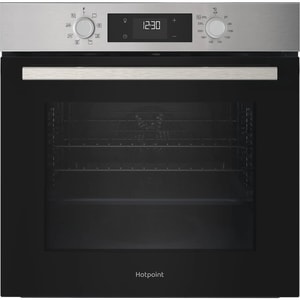
Type: Single oven • Fuel: Electric • Cleaning Method: Steam clean
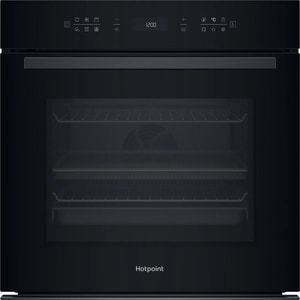
Type: Single oven • Fuel: Electric • Cleaning Method: Pyrolytic, Hydrolytic
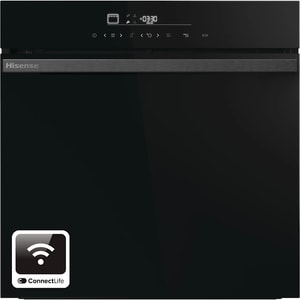
Type: Single oven • Fuel: Electric • Cleaning Method: Pyrolytic
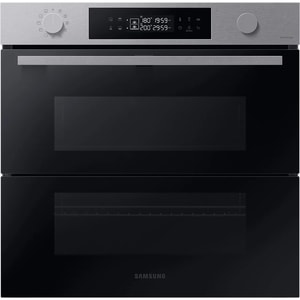
Type: Single oven • Fuel: Electric • Cleaning Method: Catalytic
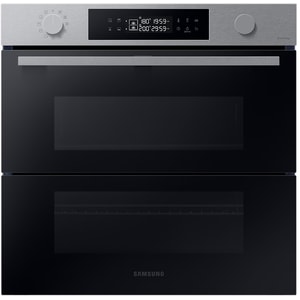
Type: Single oven • Fuel: Electric • Cleaning Method: Pyrolytic
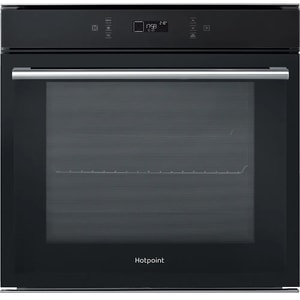
Single oven • Fuel: Electric • Cleaning Method: Pyrolytic
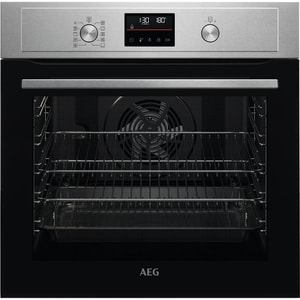
Type: Single oven • Fuel: Electric • Cleaning Method: Pyrolytic
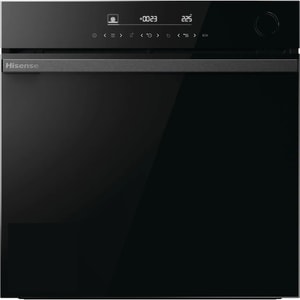
Type: Single oven • Fuel: Electric • Cleaning Method: Pyrolytic
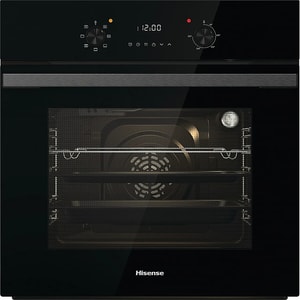
Type: Single oven • Fuel: Electric • Cleaning Method: Easy clean enamel
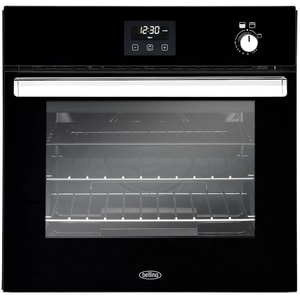
Type: Single oven • Fuel: Gas • Cleaning Method: Enamel
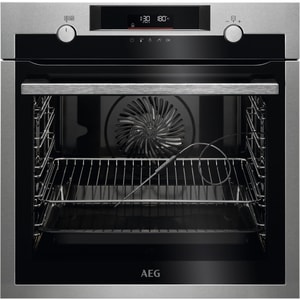
Type: Single oven • Fuel: Electric • Cleaning Method: Pyrolytic
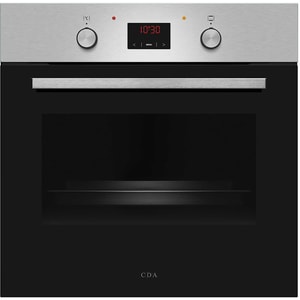
Type: Single oven • Fuel: Electric • Cleaning Method: Steam clean
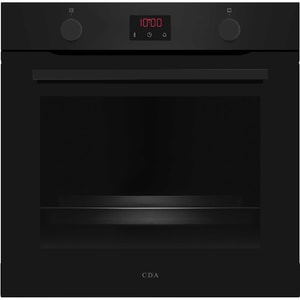
Type: Single oven • Fuel: Electric • Cleaning Method: Pyrolytic
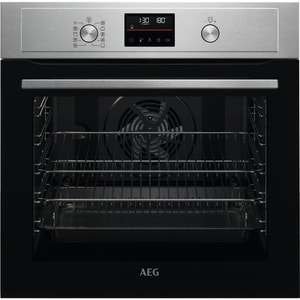
Type: Single oven • Fuel: Electric • Cleaning Method: Pyrolytic
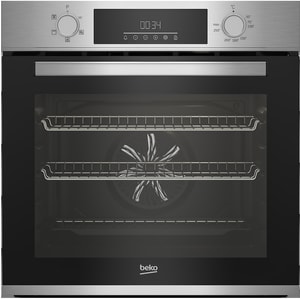
Type: Single oven • Fuel: Electric • Cleaning Method: Catalytic
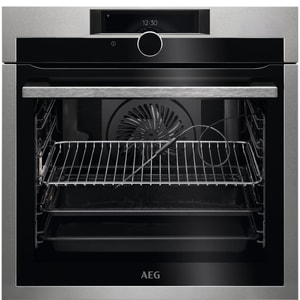
Type: Single oven • Fuel: Electric • Cleaning Method: Pyrolytic
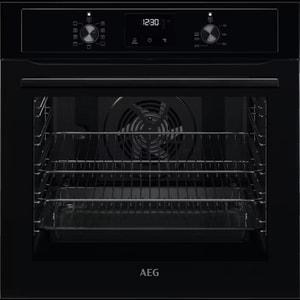
Type: Single oven • Fuel: Electric • Cleaning Method: Aqua Clean
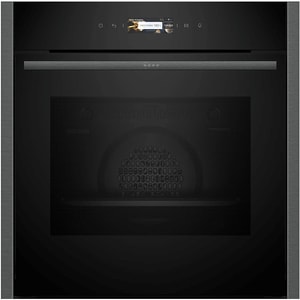
Type: Single oven • Fuel: Electric • Cleaning Method: Pyrolytic + EasyClean
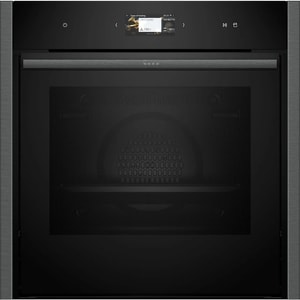
Type: Single oven • Fuel: Electric • Cleaning Method: Pyrolytic, Hydrolytic
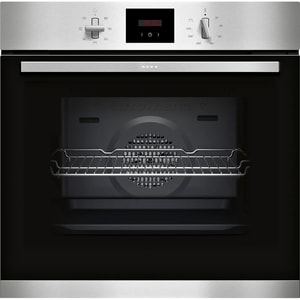
Type: Single oven • Fuel: Electric • Cleaning Method: Easy clean enamel
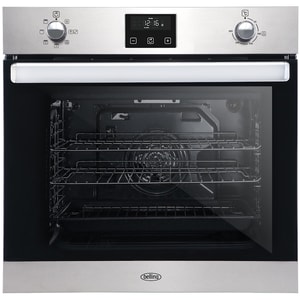
Type: Single oven • Fuel: Electric • Cleaning Method: Enamel
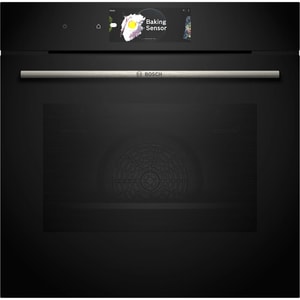
Type: Single oven • Fuel: Electric • Cleaning Method: Pyrolytic
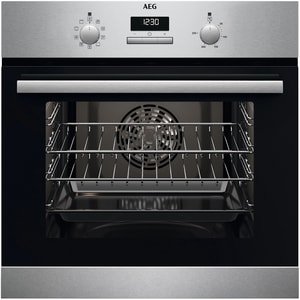
Type: Single oven • Fuel: Electric • Cleaning Method: Catalytic
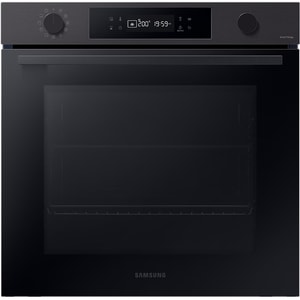
Type: Single oven • Fuel: Electric • Cleaning Method: Catalytic
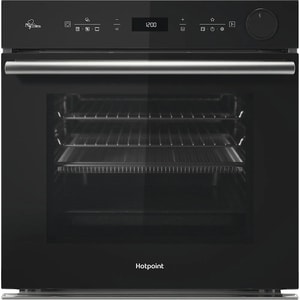
Type: Single oven • Fuel: Electric • Cleaning Method: Steam clean
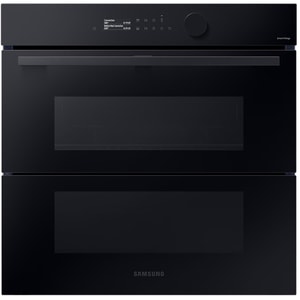
Type: Single oven • Fuel: Electric • Cleaning Method: Pyrolytic
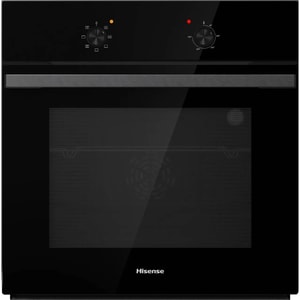
Type: Single oven • Fuel: Electric • Cleaning Method: Enamel
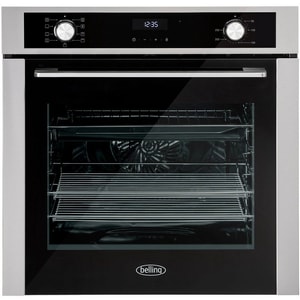
Single oven • Fuel: Electric • Cleaning Method: Easy clean enamel
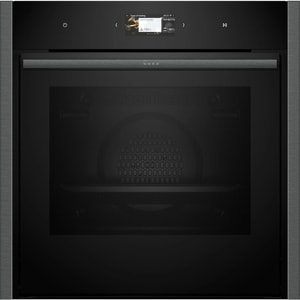
Type: Single oven • Fuel: Electric • Cleaning Method: Pyrolytic
How to choose a single oven that actually fits your kitchen
Built-in single ovens are sized to a standard housing, roughly 60cm wide and around 59cm tall, but the small variations matter. Check the cut-out depth, the trim height and whether the cabinet is rated for an oven above floor level. If the housing is under the worktop, you need a built-under model with a lower top trim; the tall-housing versions don't always fit a built-under slot, even at the same width. Read More...
Capacity is the next call. Most built-in singles fall between roughly 65 and 75 litres of usable space. That's enough for a large roasting tin or a full set of baking trays on different shelves. If you regularly cook for six or more, push towards the upper end of that range or look at models that advertise a larger cavity with telescopic runners, which let you slide trays out without lifting.
Which features are worth paying more for?
The body of a single oven hasn't changed much in years, so what you're really paying for at the upper end is convenience and longevity. Three upgrades make a genuine day-to-day difference: how the oven cleans itself, how the door behaves, and how flexible the cooking modes are. Smart connectivity, dual-zone cooking and built-in air fry sit on top of those, useful if you'll actually use them, easy to overpay for if you won't.
Pyrolytic, hydrolytic, steam or just enamel?
Pyrolytic ovens heat the cavity to around 500°C and turn grease into ash you wipe out, which is the gold standard if you roast a lot. Hydrolytic and steam clean cycles loosen residue with water at lower temperatures, which is gentler on energy bills but still needs a wipe-down and the odd manual scrub. Easy-clean enamel is the budget answer: durable, but you do the work.
Worth the upgrade for a slide and hide door?
A slide and hide door tucks under the cavity rather than swinging out. It's genuinely useful in a galley kitchen or a busy family layout where a wide-open door becomes a tripping hazard, and it makes basting a tray easier because you can stand right up to the cavity. If your kitchen has space to walk around an open door, it's a nice-to-have rather than essential.
Fan, conventional or multifunction?
A true multifunction oven gives you fan, conventional top-and-bottom, grill and usually a fan-grill mode. Most modern singles are multifunction by default, which means a fan oven with a grill thrown in. A pure conventional oven (top-and-bottom heat only) is rare and best left to baking purists.
Built-in, built-under, gas or plug-in?
If you're replacing like for like, match what you already have: tall-housing built-in, under-counter built-under, or a gas oven that ties into your existing supply. Gas single ovens are uncommon now and need a Gas Safe install. Most electric singles need to be hard-wired by an electrician on a dedicated circuit, but a few lower-wattage models ship with a 13 amp plug and can run from a standard socket. Check the spec before assuming you can swap one in yourself.
Frequently Asked Questions
A 65 to 75 litre cavity suits most households. Below 60 litres feels tight for a Sunday roast, and above 75 starts to push heating times up unless the oven has a fast preheat function.
Yes, but only if you'll use it. The cycle runs for around two hours and gets hot enough that you can't open the door. It's brilliant for roast residue and grill spatter; it doesn't replace wiping the door glass.
Only if it specifically ships with a 13 amp plug and a fitted cable. Most built-in single ovens draw too much current for a plug socket and need a qualified electrician to wire them into a cooker circuit.
Built-in goes into a tall housing at eye level. Built-under sits beneath a worktop, usually next to a hob. The trim heights differ, so the two aren't interchangeable even at the same 60cm width.
In a small or busy kitchen, yes. The door tucking under the cavity frees up floor space and makes it easier to lift heavy trays straight out. In a larger kitchen with room around the appliance, a standard drop-down door does the job.
The label rates the oven on a fixed cycle, so it's a useful comparison between similar models but not a precise running cost. An A-rated 70 litre oven used twice a week costs noticeably less than a lower-rated equivalent over ten years.
On most multifunction models, yes, via a fan-grill setting that circulates hot air past the grill element. It browns the top of a dish without drying out the inside, useful for lasagne or gratin.
It matters for parts and service. Brands you'll typically see across UK retailers, like Neff, AEG, Bosch, Samsung, Hotpoint and Hisense, all have established UK service networks. Smaller or own-label brands can be cheaper up front but harder to fix in year five.