
Double Ovens
The decision on a double oven is rarely whether you want one, it is built-in at eye level or built-under beneath the worktop, and how you want the two cavities split. Capacity, cleaning system and circuit type then narrow the field to a handful of models that actually fit.
- Relevance
- Price: Low - High
- Price: High - Low
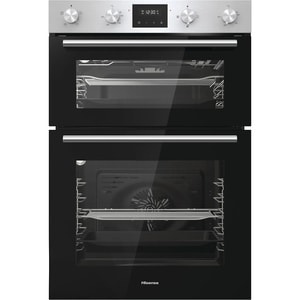
Double oven • Fuel: Electric • Cleaning Method: Easy clean enamel
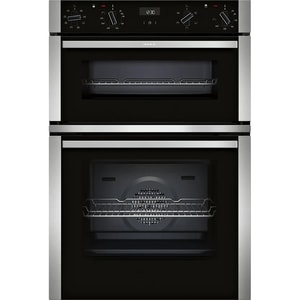
Double oven • Fuel: Electric • Cleaning Method: EcoClean + EasyClean
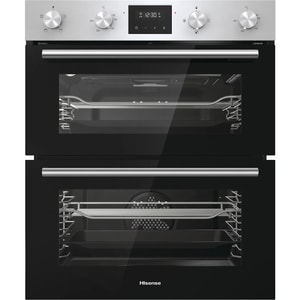
Double oven • Fuel: Electric • Cleaning Method: Enamel
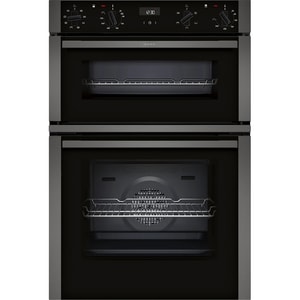
Double oven • Fuel: Electric • Cleaning Method: EasyClean
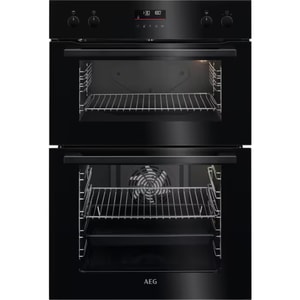
Double oven • Fuel: Electric • Cleaning Method: Catalytic
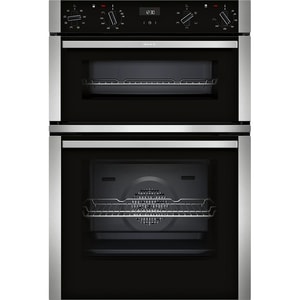
Double oven • Fuel: Electric • Cleaning Method: EcoClean + EasyClean
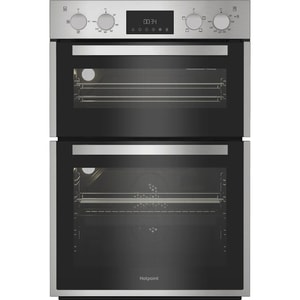
Double oven • Fuel: Electric • Cleaning Method: Catalytic
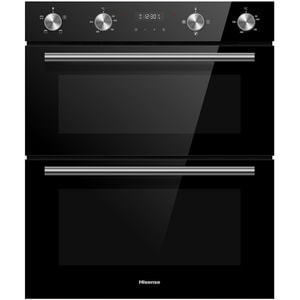
Double oven • Fuel: Electric • Cleaning Method: Pyrolytic
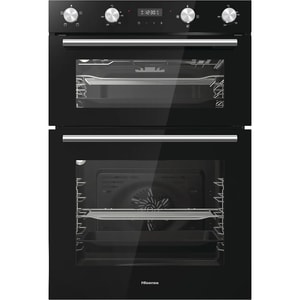
Double oven • Fuel: Electric • Cleaning Method: Enamel
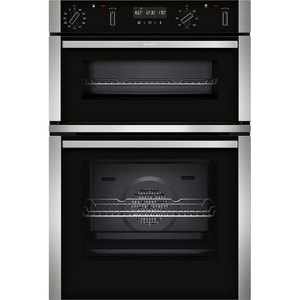
Double oven • Fuel: Electric • Cleaning Method: Pyrolytic
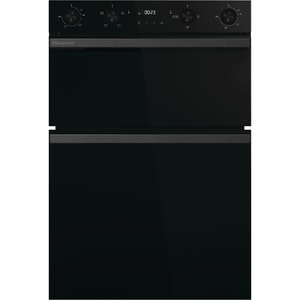
Double oven • Fuel: Electric • Cleaning Method: Catalytic
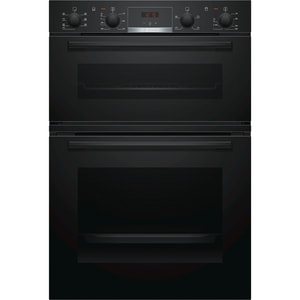
Double oven • Fuel: Electric • Cleaning Method: EcoClean Direct + Enamel
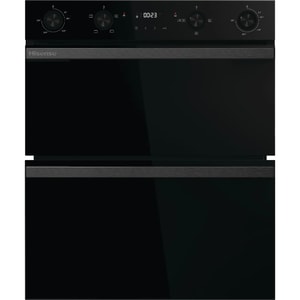
Double oven • Fuel: Electric • Cleaning Method: Enamel
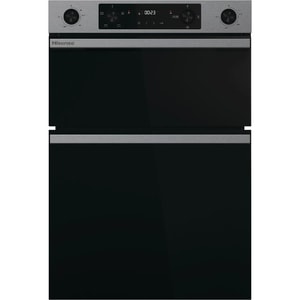
Double oven • Fuel: Electric • Cleaning Method: Pyrolytic
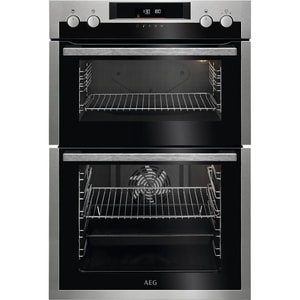
Double oven • Fuel: Electric • Cleaning Method: Catalytic
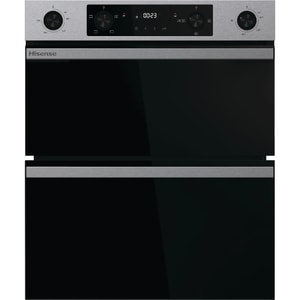
Double oven • Fuel: Electric • Cleaning Method: Enamel
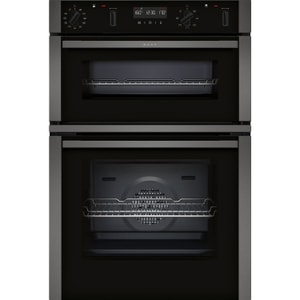
Double oven • Fuel: Electric • Cleaning Method: Pyrolytic
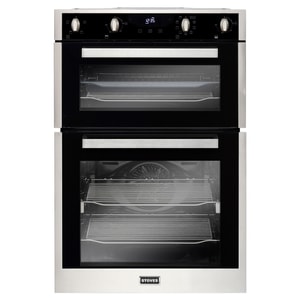
Type: Double oven • Fuel: Electric • Cleaning Method: Catalytic
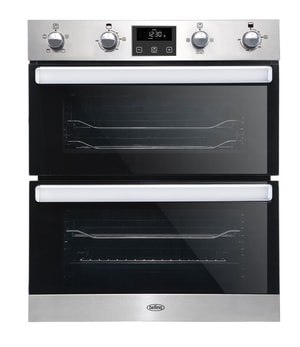
Type: Double oven • Fuel: Electric • Cleaning Method: Main: Catalytic; Second: Enamel
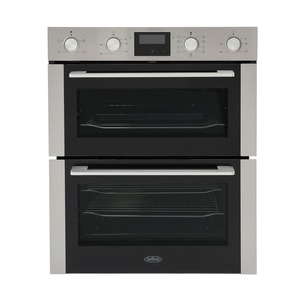
Type: Double oven • Fuel: Electric • Cleaning Method: Main: Catalytic; Second: Catalytic
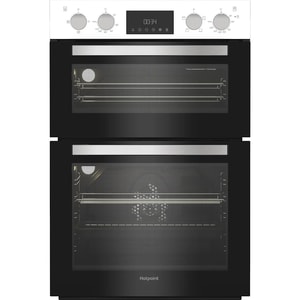
Double oven • Fuel: Electric • Cleaning Method: Enamel
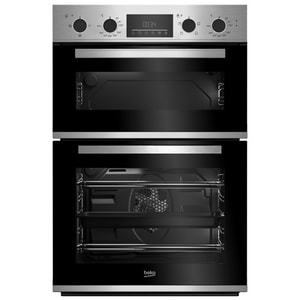
Type: Double oven • Fuel: Electric • Cleaning Method: Main: Catalytic, Steam clean; Second: Enamel
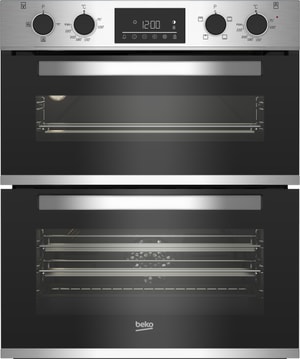
Type: Double oven • Fuel: Electric • Cleaning Method: Main: Catalytic, Steam clean; Second: Enamel
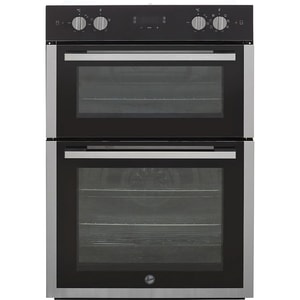
Type: Double oven • Fuel: Electric • Cleaning Method: Hydrolytic
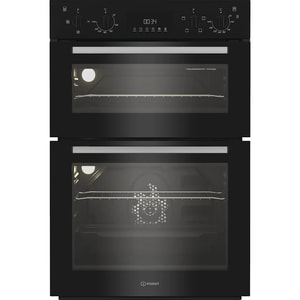
Double oven • Fuel: Electric • Cleaning Method: Enamel
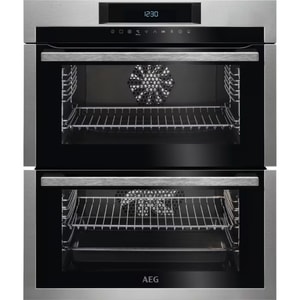
Type: Double oven • Fuel: Electric • Cleaning Method: Catalytic
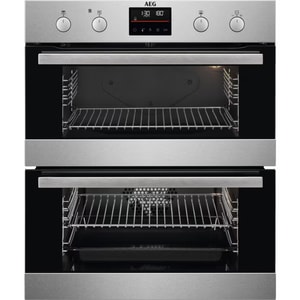
Type: Double oven • Fuel: Electric • Cleaning Method: Catalytic
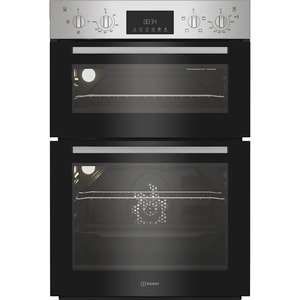
Double oven • Fuel: Electric • Cleaning Method: Enamel
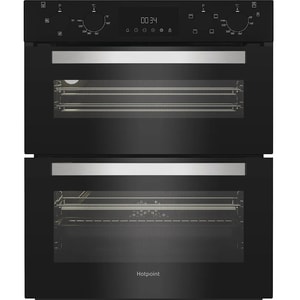
Type: Double oven • Fuel: Electric • Cleaning Method: Enamel
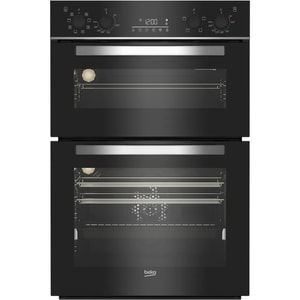
Type: Double oven • Fuel: Electric • Cleaning Method: SimplySteam
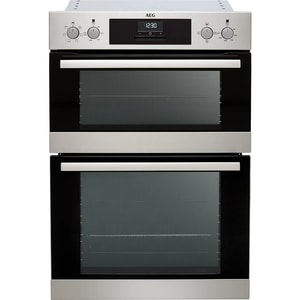
Type: Double oven • Fuel: Electric • Cleaning Method: Catalytic
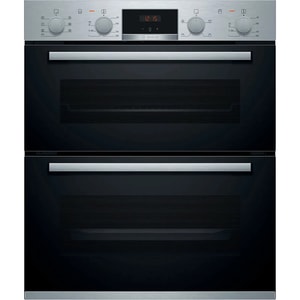
Type: Double oven • Fuel: Electric • Cleaning Method: EcoClean Direct + Enamel
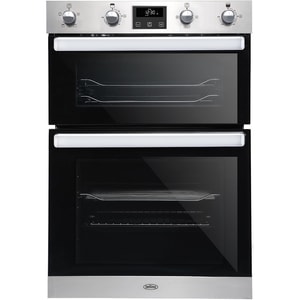
Type: Double oven • Fuel: Electric • Cleaning Method: Easy clean enamel
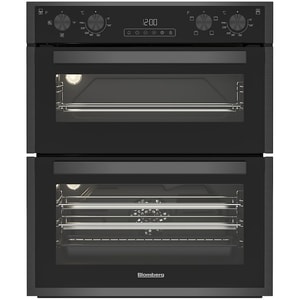
Type: Double oven • Fuel: Electric • Cleaning Method: Catalytic
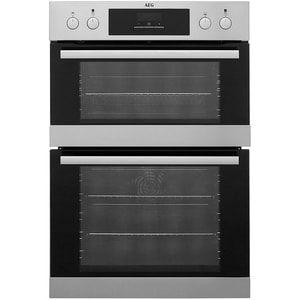
Type: Double oven • Fuel: Electric • Cleaning Method: Catalytic
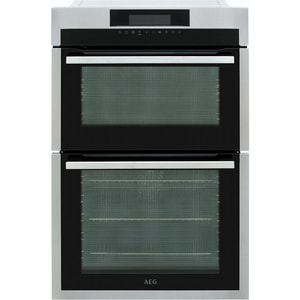
Type: Double oven • Fuel: Electric • Cleaning Method: Catalytic
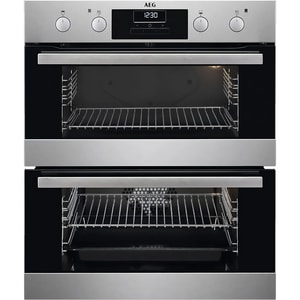
Type: Double oven • Fuel: Electric • Cleaning Method: Catalytic
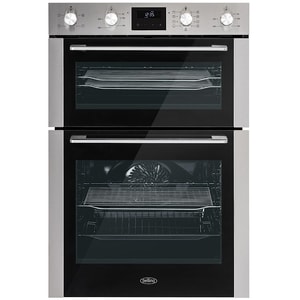
Double oven • Fuel: Electric • Cleaning Method: Catalytic
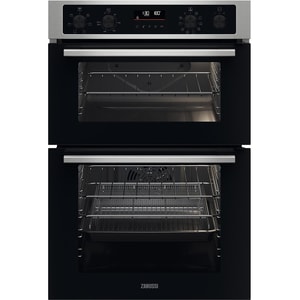
Type: Double oven • Fuel: Electric • Cleaning Method: Catalytic
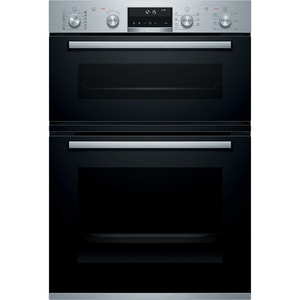
Type: Double oven • Fuel: Electric • Cleaning Method: Pyrolytic
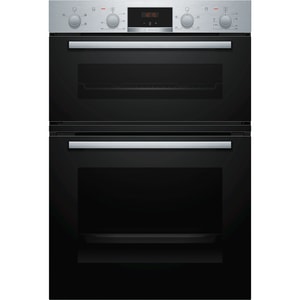
Type: Double oven • Fuel: Electric • Cleaning Method: Catalytic
Built-in eye-level or built-under, which format fits your kitchen?
The first decision is housing. A built-in double oven sits in a tall cabinet at roughly eye level, with a typical recess around 88 to 90 cm high and 56 cm wide. You get bigger combined capacity, usually around 100 to 120 litres, and the main grill ends up at a comfortable height for glazing and tray swaps. A built-under double oven slides into a 72 cm recess beneath the worktop, freeing the tall cabinet for a fridge or larder but trimming combined capacity to roughly 70 to 90 litres. Measure cut-out height, door swing and plinth depth before you commit. Read More...
How much capacity do you really need?
Most double ovens are 60 cm wide, so the meaningful difference is total litres and how the space is split. If weeknight meals are usually one tray for two or three people, the smaller top cavity does most of the work and uses less energy than firing up the main oven. If Sunday is a full roast plus sides plus a pudding, look for a generous main cavity, three or more shelf positions and telescopic runners that let you pull heavy trays clear without tilting.
Which cleaning system saves the most effort?
Pyrolytic is the lowest-effort option. The oven heats to a high temperature on a cycle and turns baked-on grease to ash you wipe out. Catalytic liners absorb splashes on side walls during normal cooking, so you do not run a separate cycle, but the floor and door still need wiping. Steam-clean and EcoClean modes soften fresh spills at lower temperatures, which suits people who clean as they go. Hydrolytic sits in the middle, using water and gentle heat. Match the system to your habits, not the marketing.
Features worth paying more for, and ones you can skip
Multifunction settings such as fan, grill, pizza and bottom heat earn their keep if you bake or batch cook. A meat probe takes the guesswork out of large joints. Triple or quad-glazed doors stay cooler to the touch, useful with children around. Telescopic runners are genuinely helpful with heavy roasting trays. App control and voice assistants are nice extras but rarely change the result on the plate. Strong heat distribution, accurate thermostats and a clear control layout matter more.
Power supply, fitting and what to check before delivery
Electric double ovens vary in load. Some 13 amp models plug into a standard socket, which simplifies fitting in a flat or rental. Higher-rated models need a dedicated hardwired cooker circuit, so check your installation before ordering. Confirm the cooling vents have clear airflow within the cabinet, that the housing is square so doors seal evenly, and that the delivery route through doorways and stairs can take a 60 cm appliance.
Frequently Asked Questions
Often no. A standard single oven fits a 60 cm niche, while most built-in doubles need around 88 to 90 cm of height. If your tall cabinet is already a tower with a single oven plus microwave, a double oven may slot in once the microwave housing comes out. Otherwise a built-under double oven, which fits a 72 cm niche, may be a better swap.
Built-under usually wins on space because it sits beneath the worktop and leaves the tall cabinet free. The trade-off is smaller combined capacity and a lower main cavity, which can be less comfortable for grilling. If counter space is tight and you do not have a tall housing, built-under is the practical choice.
For everyday cooking in one cavity at a time, yes. For simultaneous roasting and grilling at full pelt, a higher-rated hardwired model gives faster preheats and stronger grill performance. Check the kilowatt rating on the spec sheet against what your circuit can supply.
The cycle does the heavy lifting on baked-on grease, turning it to ash you wipe out. Door glass, racks and runners usually still need a hand wash. Pyrolytic ovens tend to have thicker insulation, which also helps energy efficiency during normal use.
A fan oven circulates hot air for even browning on multiple shelves. Multifunction adds settings such as conventional top and bottom heat, intensive base heat for pizza, gentle bake and a grill. If you cook a wide range of dishes, multifunction in the main cavity adds real flexibility.
Most current electric double ovens land around A on the new label. Differences within the same letter come from insulation, fan efficiency and how often you use the smaller top cavity for quick jobs. Using the right cavity for the job tends to matter more day to day than a single grade jump.
Follow the manufacturer's installation diagram for cooling vents at the top, base or rear. Trapped heat shortens electronics life and can warp adjacent units. Allow door swing space and confirm the plinth height matches the recess so the appliance sits flush.
Most integrated double ovens are built to standard 60 cm widths and fit most modern flat-pack and bespoke kitchens. The catch is recess height, which differs between built-in and built-under. Always check the specific cut-out dimensions against the appliance spec, not just brand or range.