
Hotpoint Ovens
Hotpoint ovens cover most of what a UK kitchen actually needs, from a 60cm built-in single to a tower-housed double or a built-under pair beneath the worktop. Electric across the line, with fan cooking, multifunction modes and pyrolytic, catalytic or steam-clean options depending on the model.
- Relevance
- Price: Low - High
- Price: High - Low
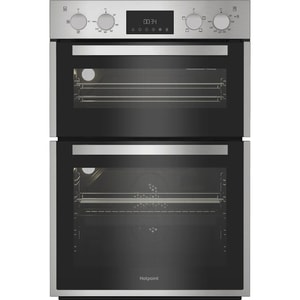
Double oven • Fuel: Electric • Cleaning Method: Catalytic
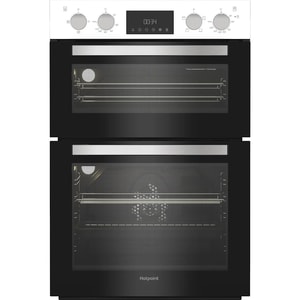
Double oven • Fuel: Electric • Cleaning Method: Enamel
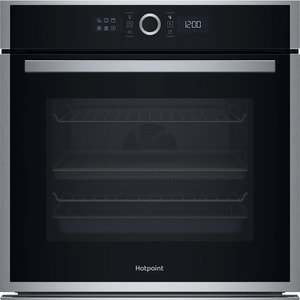
Type: Single oven • Fuel: Electric • Cleaning Method: Hydrolytic
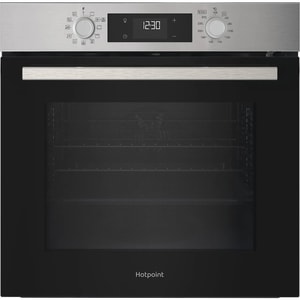
Type: Single oven • Fuel: Electric • Cleaning Method: Pyrolytic, Hydrolytic
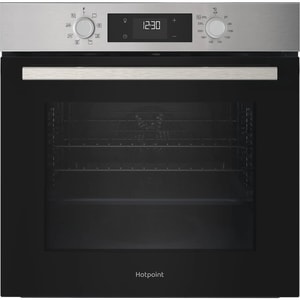
Type: Single oven • Fuel: Electric • Cleaning Method: Steam clean
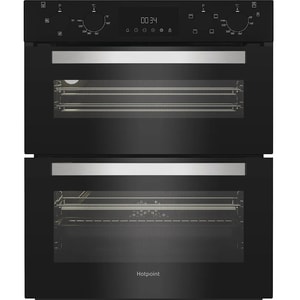
Type: Double oven • Fuel: Electric • Cleaning Method: Enamel
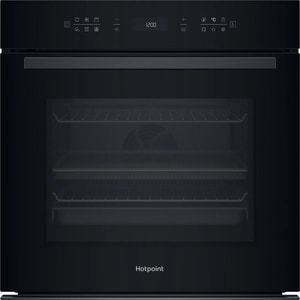
Type: Single oven • Fuel: Electric • Cleaning Method: Pyrolytic, Hydrolytic
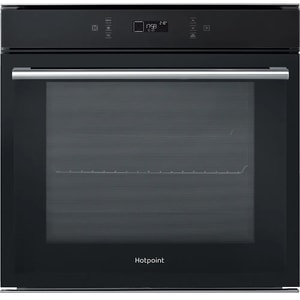
Single oven • Fuel: Electric • Cleaning Method: Pyrolytic
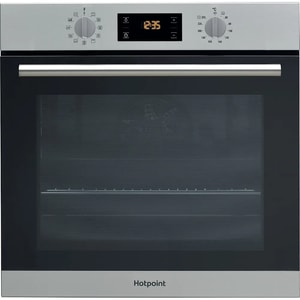
Type: Single oven • Fuel: Electric • Cleaning Method: Pyrolytic
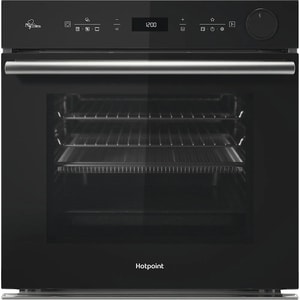
Type: Single oven • Fuel: Electric • Cleaning Method: Steam clean
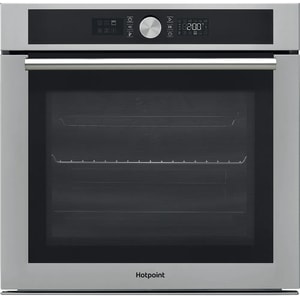
Type: Single oven • Fuel: Electric • Cleaning Method: Pyrolytic
Choosing the right Hotpoint oven for your kitchen
Hotpoint sits in the practical middle of the market. The range gives you electric cooking with a sensible spread of cavity sizes, cleaning methods and finishes, without paying for showpiece features you won't use. The decisions that actually matter are format, cleaning method, finish and the small spec details that change weeknight cooking. Read More...
Single, double or built under, which format earns its space?
A Hotpoint single oven is the workhorse. A 60cm built-in cavity gives you roughly 70 to 77 litres, enough for a Sunday roast with two trays of veg, and slots into the standard tall housing most fitted kitchens already have. Choose this if you mostly cook one thing at a time and want the largest single cavity for the money.
A Hotpoint double oven splits cooking across two cavities so you can roast at 200°C in the main and crisp pastry at 180°C in the smaller. Built-in doubles need a taller recess than a single. A Hotpoint built under double oven is designed for a 72cm space beneath the worktop, useful in smaller kitchens where you can't lose a tall housing to a single tower.
Which cleaning method is worth paying more for?
The Hotpoint range covers four cleaning approaches and the price gap between them is real. Pyrolytic ovens heat the cavity hot enough to turn baked-on residue to ash you can wipe away cold. If you roast often or hate scrubbing, this is the upgrade with the biggest weekly payoff. Catalytic liners absorb fat and grease at cooking temperatures, lower-effort but only on the lined sides, not the door or floor. Hydrolytic uses a tray of water and detergent at low heat to soften grime, fine for light use. Steam-clean models work the same way at the press of a button. Enamel cavities clean by hand.
Fan, multifunction or both?
Most of the line is multifunction, with fan-only models making up the rest. Fan cooking moves hot air around the cavity so trays bake evenly and you can usually drop the conventional temperature by about 20°C. A Hotpoint fan oven is a reasonable choice if you mostly do tray bakes, roasts and reheating. Multifunction adds conventional top and bottom heat for pastry and sponges, plus modes like pizza and gentle bake that genuinely change the result on certain dishes.
Will it fit, and how does it wire in?
Built-in ovens are 60cm wide as standard, and the housing cut-out is what matters. Match the manufacturer's diagram for recess width, height, depth and the cooling clearances at the top and back. Some single ovens run on a 13A plug, but most built-in ovens and almost all doubles need a dedicated cooker circuit on a higher-rated breaker, so check the rating plate before you commit. Door swing matters too: confirm it clears adjacent handles and the worktop overhang.
Finish and energy rating
Stainless steel is the dominant finish, with black for darker schemes and a smaller white selection for traditional kitchens or appliance garages. Energy ratings across Hotpoint sit mainly at A and A+ on the older scale, with the odd A++. The day-to-day difference in running cost between these is small, so prioritise format and cleaning method first, then use rating as a tiebreaker between two otherwise similar models.
Frequently Asked Questions
Yes for most households. A 60cm built-in single sits around 70 to 77 litres, which fits a large roasting tin and a separate tray. If you regularly cook for more than five or want to roast and bake at different temperatures simultaneously, a double will save you juggling.
Often yes, if the tall housing has the height for a built-in double, or you're prepared to drop to a built under double in the under-counter space. Measure the recess first, double cavities need more vertical room than singles, and confirm the cooker circuit can carry the higher load.
If you cook fatty roasts or bake messy traybakes weekly, yes. Pyrolytic does the cleaning for you, you wipe out cold ash. Catalytic is cheaper to buy and helps on the side liners during cooking, but you still scrub the door, floor and racks by hand.
In practice, none. UK retailers and Hotpoint itself use both terms for ovens that fit into kitchen housing rather than standing freely. If a listing says built-in, integrated or fitted, it's the same kind of appliance.
The current Hotpoint oven line-up shown is fully electric. If you need gas, you'd be looking at gas cookers rather than ovens, which is a different category.
Yes, on most dishes. Fan moves hot air around the cavity, so you can drop the temperature roughly 20°C from a conventional setting and food cooks more evenly. For pastry and delicate sponges, conventional top and bottom heat still gives a better lift, which is why multifunction models keep both options.
The fan is audible but not intrusive in a normal kitchen. The cooling fan often runs for several minutes after you switch off to bring the cavity and electronics down to safe temperatures, this is normal behaviour and not a fault.
Usually yes. Built-in ovens follow the standard UK 60cm width and broadly standard housing cut-outs, so a Hotpoint will replace another brand's oven in most fitted kitchens. Always check the cut-out dimensions and the cooling clearances on the spec sheet before ordering.