
Hisense Ovens
Hisense ovens cover the practical middle ground: built-in and built-under electric models, single or double cavity, with cleaning methods that range from easy-clean enamel to full pyrolytic self-clean. The choice usually comes down to cavity count, cleaning effort and whether your kitchen niche is a tall housing or under-counter.
- Relevance
- Price: Low - High
- Price: High - Low
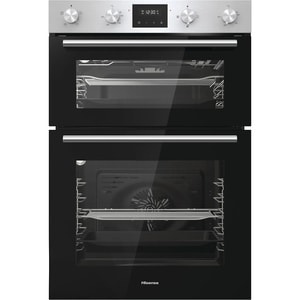
Double oven • Fuel: Electric • Cleaning Method: Easy clean enamel
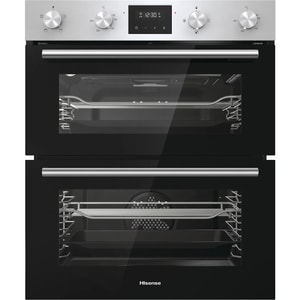
Double oven • Fuel: Electric • Cleaning Method: Enamel
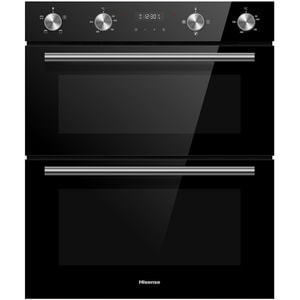
Double oven • Fuel: Electric • Cleaning Method: Pyrolytic
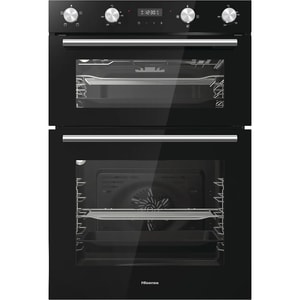
Double oven • Fuel: Electric • Cleaning Method: Enamel
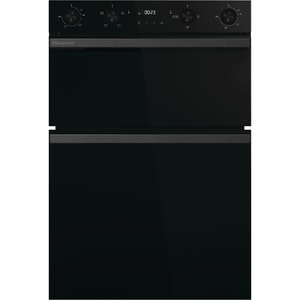
Double oven • Fuel: Electric • Cleaning Method: Catalytic
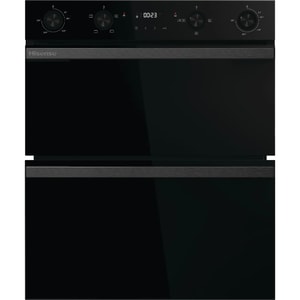
Double oven • Fuel: Electric • Cleaning Method: Enamel
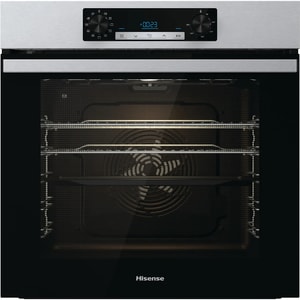
Single oven • Fuel: Electric • Cleaning Method: Steam clean
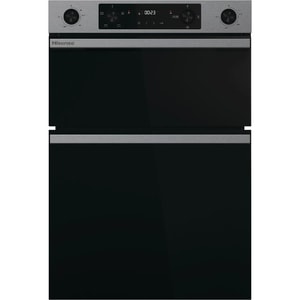
Double oven • Fuel: Electric • Cleaning Method: Pyrolytic
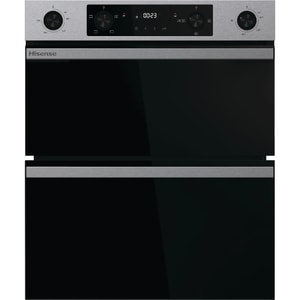
Double oven • Fuel: Electric • Cleaning Method: Enamel
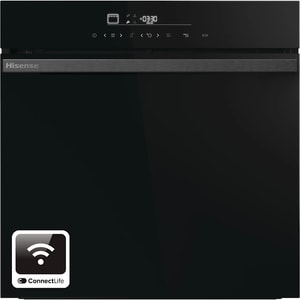
Type: Single oven • Fuel: Electric • Cleaning Method: Pyrolytic
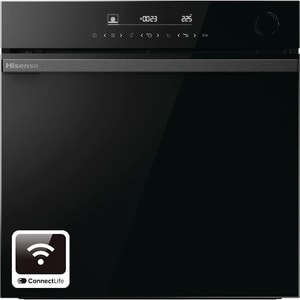
Type: Single oven • Fuel: Electric • Cleaning Method: Pyrolytic
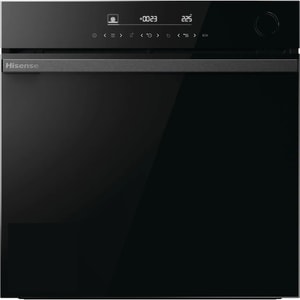
Type: Single oven • Fuel: Electric • Cleaning Method: Pyrolytic
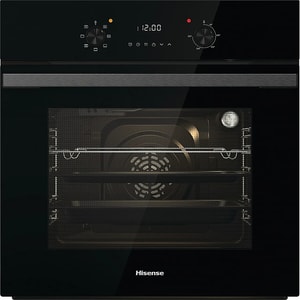
Type: Single oven • Fuel: Electric • Cleaning Method: Easy clean enamel
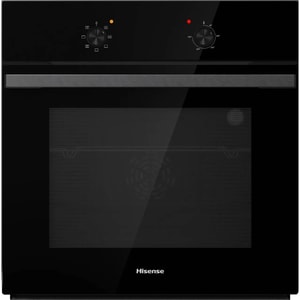
Type: Single oven • Fuel: Electric • Cleaning Method: Enamel
How to choose a Hisense oven without overpaying
Hisense sits firmly in the value-to-mid bracket, and the trick with the range is matching format and cleaning method to how you actually cook, not chasing the longest spec sheet. Almost everything on offer is electric, so the bigger forks in the road are single versus double, built-in versus built-under, and how much you want the oven to clean itself. Read More...
Single oven or double oven, and which housing fits
A Hisense single oven gives you one large cavity, typically around 70 to 77 litres in the standard 60cm built-in size. That's the right pick if you mostly cook one tray-heavy meal at a time, want the biggest single roasting space, and have a single oven niche in a tall housing.
A Hisense double oven splits cooking into two compartments so you can roast at one temperature and bake or grill at another. Built-in doubles drop into a tall housing and run larger overall capacity. Built-under doubles slot beneath a worktop next to a separate hob. If you're replacing under-counter, a built-under double like the BID75 or BUD714 family is the straight swap.
Pyrolytic, catalytic, steam clean or enamel
Cleaning method is the line item that quietly defines daily hassle. A Hisense pyrolytic oven heats the cavity hot enough to reduce baked-on grease to ash you wipe out cold. It's the lowest-effort option and worth the premium if you roast often. Catalytic liners absorb splatters at lower temperatures and need less intervention than plain enamel but won't tackle the floor. Steam clean softens light soiling with a water tray and is the budget-friendly middle ground. Easy-clean enamel is fine if you're prompt with a cloth.
What "multifunction" actually buys you
Most of the range is multifunction, meaning fan, conventional, grill and a handful of combined modes on one dial or touch panel. Fan-assisted heat handles multi-tray bakes and is the workhorse you'll use most. Conventional top-and-bottom heat suits pastry and bread. The two pure fan ovens in the line-up keep things simple if you don't need the extra modes. Specialist programmes such as pizza or intensive bottom heat appear on selected models and earn their place if pizza night is a fixture.
Fit, power and the install nobody mentions
Built-in singles fit a 60cm wide niche with a height around 59cm; built-in doubles need a taller housing closer to 88-90cm. Built-under doubles sit beneath the worktop in a 60cm wide bay. Some Hisense single ovens are 13A plug-in, which makes a like-for-like swap straightforward; others are hardwired and need an electrician for a dedicated circuit. Always check the kW rating, the door swing against adjacent handles, and the cooling vents so airflow stays clear.
Energy rating and running cost
Most Hisense electric ovens carry an A rating, with a smaller group at B. The gap is real over a year of weekly roasts but rarely the headline reason to choose a model; cavity size, cleaning and fit usually matter more day to day.
Frequently Asked Questions
Often yes if you have, or can build, a tall housing. Built-in doubles need more vertical space than a single. If you're under-counter, a built-under double is the cleaner swap and keeps the worktop run intact. Measure niche height before you commit.
Pyrolytic burns residue to ash at very high temperatures, then you wipe the cold cavity with a cloth. Steam clean uses a water tray at lower temperatures to loosen light soiling. Pyrolytic does heavier lifting; steam clean costs less and suits cooks who clean as they go.
Some models are 13A plug-in and some are hardwired. It depends on the SKU and its kW load, so check the rating plate and the installation manual on the specific model. If you're replacing a plug-in oven with a hardwired one, factor in an electrician.
A 60cm built-in single is usually around 70 to 77 litres, which fits a large roasting tin and a turkey for most family sizes. Built-in doubles add a smaller upper cavity for grilling or quick bakes. Built-under doubles split that capacity across two cavities under the counter.
A pure fan oven is simpler and cheaper to run on most weekday meals. A multifunction model adds conventional heat, grill and combined programmes for pastry, pizza and gentler bakes. If you only ever roast and bake on fan, the simpler oven is enough.
Preheat properly on fan for multi-tray cooking, drop a shelf for crisp pizza bases, and trust temperature and time over visual colour for bakes. An in-oven probe, where fitted, removes most of the guesswork on roasts. Wipe spills before they bake on so cleaning cycles do less work.
Integrated and built-in mean the same thing in practice: the oven sits inside a cabinet niche behind a furniture surround. The job is straightforward if the niche dimensions, ventilation cut-outs and electrical supply match the manual. A competent fitter will handle hardwired versions; plug-in models can be a confident DIY swap.
Yes, but much less. A pyrolytic cycle handles the cavity walls, floor and roof. You'll still wipe the door glass, clean the racks separately, and deal with the seal area by hand. Catalytic liners need replacing eventually rather than scrubbing.