
Washing machine brand features explained: what the jargon really means
 19/01/2026
If you have been browsing washing machines and noticed feature names that look like branding rather than plain English, this guide is for you. Manufacturer labels like “steam care”, “auto dosing”, “AI”, and various brand-specific names can be genuinely useful shortcuts, but only when you know what changes in real use and which programmes the feature actually applies to. PricePop’s own guidance on washing machines is aligned with this: treat labels as shorthand, then confirm what the feature does in the specification list for the exact model.
How to use this glossary
Use each entry as a translation layer. It is designed to help you recognise a feature label, understand the intended benefit, and spot the common limitations that matter when you live with a washing machine every week. Two practical rules make this work. First, treat every branded feature as “model and programme dependent”, because the same label can behave differently across model lines. Second, if the feature is important to you, look for confirmation on the manufacturer’s product page or manual for the exact model number, not a general brand overview.
Samsung
ecobubble
Samsung describes ecobubble as a way to mix air, water and detergent to create bubbles designed to wash effectively at cooler temperatures. In day to day terms, this is most relevant if you regularly wash mixed clothing and prefer lower temperature cycles, because the brand positions the system around helping detergent work earlier in the wash. When comparing models, check whether ecobubble is described as a core technology for the range or as a feature associated with specific cycles.
AddWash
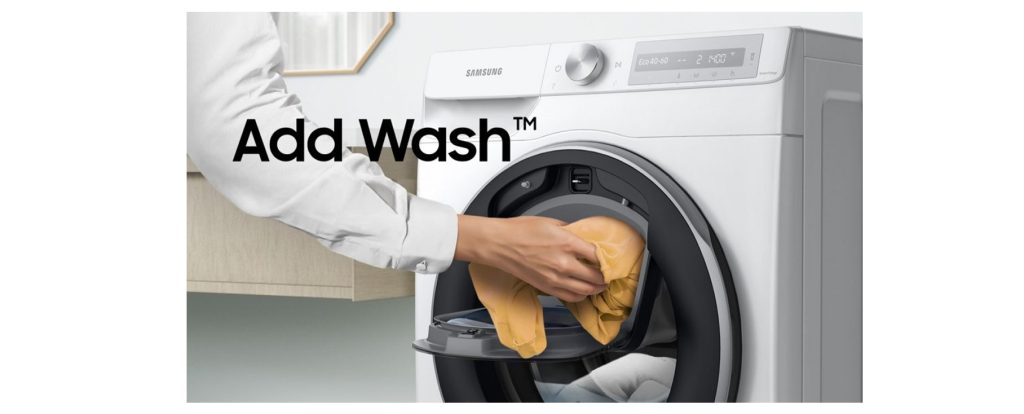
AddWash is Samsung’s name for a secondary door built into the main door, designed to let you add forgotten items during the wash when conditions allow. The practical benefit is less frustration when something is missed at loading time, but it is still worth remembering that door opening depends on safety constraints like water level and temperature. If “add mid-cycle” is a must-have for your household, treat it as a feature to confirm on the specific product page you are buying rather than assuming it exists across the whole brand.
QuickDrive
Samsung positions QuickDrive as a technology designed to cut wash time on supported programmes, including marketing examples such as completing a clean in 39 minutes on a Super Speed cycle with a specified load. In practical use, QuickDrive matters most when you frequently run smaller loads and will actually use the fast programme, not when you mostly run long cotton or hygiene cycles where speed is not the priority. Treat the badge as a signpost, then check which cycles the speed claims refer to on the model you are considering.
SmartThings
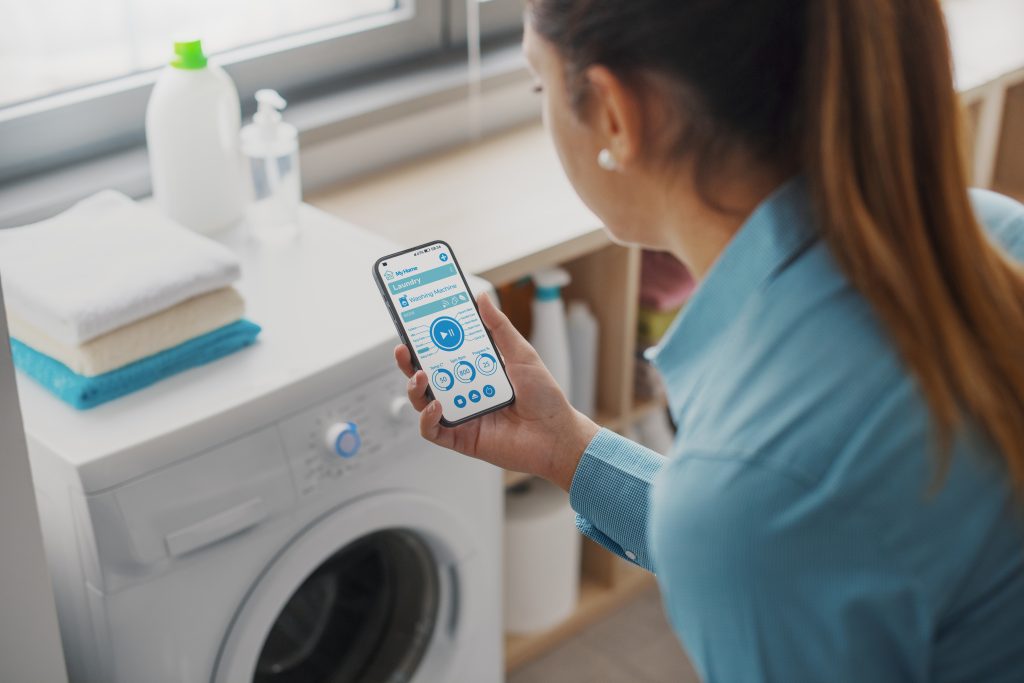
SmartThings is Samsung’s app ecosystem for connected appliances. Samsung provides guidance on connecting and controlling compatible washing machines through SmartThings, including activating smart control and completing device setup. For buyers, the real questions are simple: do you want phone notifications and remote monitoring, is Wi-Fi reliable where the machine sits, and will the app fit your household routine.
AEG
ProSense
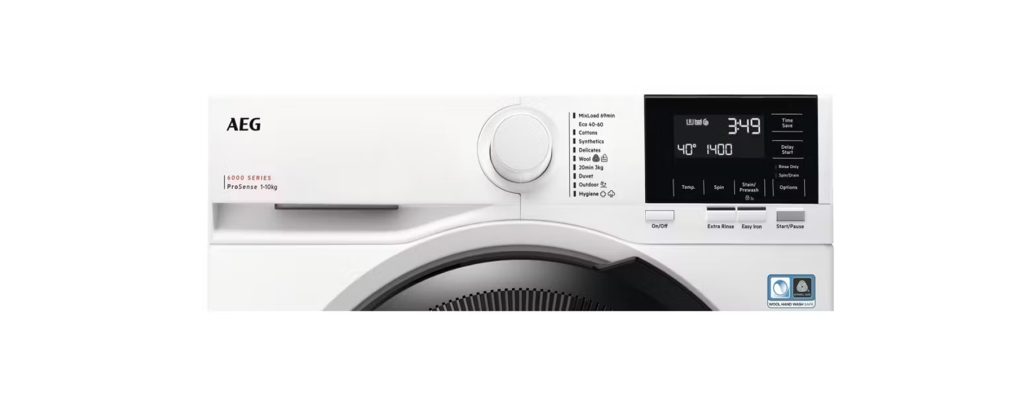
AEG describes ProSense as load sensing that weighs each load and tailors the cycle, and it states it can reduce time, water and energy usage by up to 30% in its cited test context. In everyday terms, this tends to matter most if you often do smaller midweek loads and want the machine to avoid treating every wash like a full drum. It is also a feature that quietly improves usability because it reduces the need to overthink settings for routine loads.
ProSteam
AEG describes ProSteam as adding steam to the end of the wash to reduce wrinkles and remove odours, and positions steam as a way to refresh creased clothes between washes. This is typically most valuable for shirts, school uniform and items that are not heavily soiled but feel stale or creased. If you hate ironing, this is one of the few branded features where the day to day benefit can be obvious, provided you use the compatible programmes.
PowerCare
AEG describes PowerCare as quickly premixing detergent and fabric conditioner so they are activated before they enter the drum, with the aim of distributing them evenly through the load. In buyer terms, this is a “detergent delivery” feature that is most relevant if you care about consistent cleaning results across mixed loads, particularly when you use shorter cycles and still expect a thorough outcome.
Hotpoint
ActiveCare
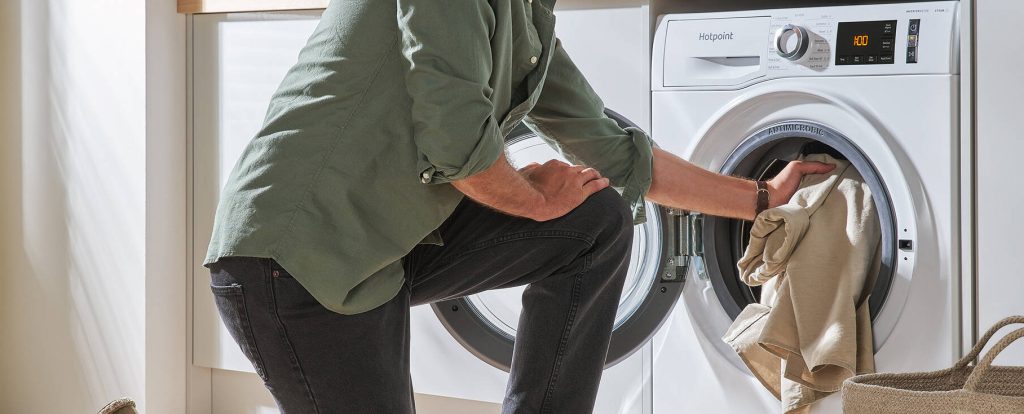
Hotpoint describes ActiveCare as pre-mixing water and detergent to create a cleaning mousse that penetrates fabrics, including at low temperatures, and it presents the feature in the context of stain removal. In real use, this is most relevant for family laundry where stains are common but you still prefer cooler washes to reduce energy use and be kinder to fabrics. If you see “ActiveCare” on a listing, confirm whether it is paired with any specific options or programmes, because brand feature names are often used across multiple model lines.
Steam Hygiene
Hotpoint describes Steam Hygiene as using steam at the end of the washing cycle and states it can remove up to 99.9% of bacteria without chemical additives in its cited context. For many households, the practical value is reassurance on items like bedding, towels, baby clothes or gym kit, but you should still check which programmes support Steam Hygiene on the model you are considering, and whether there are fabric limitations.
Final Care
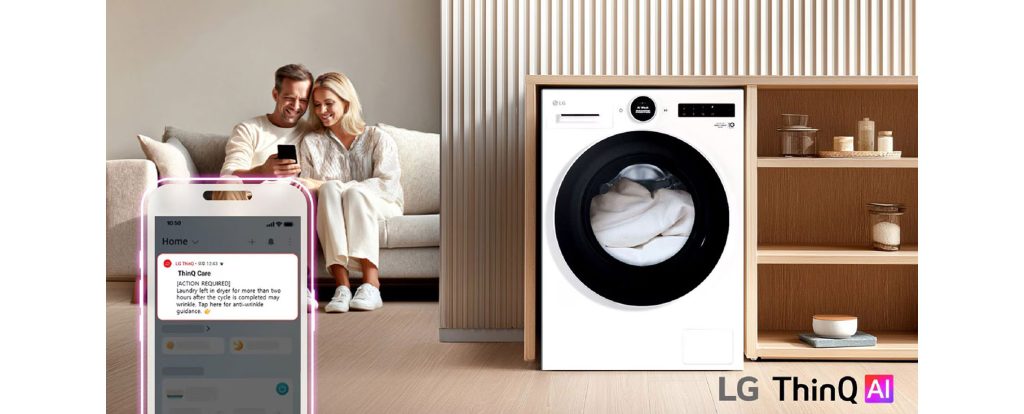
Hotpoint describes Final Care as keeping laundry crease-free and smelling fresh for up to 6 hours after the cycle finishes. This is a convenience feature that matters when loads often finish while you are out, in meetings, or asleep. If you routinely forget laundry in the drum, this is one of those features that can feel more valuable than another niche programme, because it targets a common real world problem.
LG
TurboWash360
LG positions TurboWash360 around washing speed, including claims about completing a 5 kg load in 39 minutes on supported products, while maintaining wash quality in that context. In practical terms, TurboWash360 is most useful when you do frequent small or mid-size loads and want fast turnaround that you will actually use, not just a badge on the control panel. Always check the load size and programme name used for any speed claim, because rapid results are usually tied to a specific cycle.
AI Direct Drive
LG describes AI Direct Drive as detecting load and fabric characteristics, with marketing around improved fabric care in its cited context. In buyer terms, the appeal is “better motion selection for the fabric”, which can matter if you wash lots of mixed materials and want a machine that makes smarter choices without you manually selecting a niche programme. If this is important to you, confirm whether AI sensing is available across multiple cycles or limited to specific “AI wash” modes.
ThinQ
LG ThinQ is LG’s app platform for connected appliances. LG presents ThinQ in the context of smart laundry solutions and connected control. The practical decision is whether you want remote monitoring, alerts, and potentially additional programme options through an app. If you prefer a washing machine to be entirely offline, treat connectivity as neutral rather than a reason to pay more.
Beko
AquaTech
Beko positions AquaTech as using the power of water to replace more vigorous drum movements for a quicker, gentler wash, and product pages pair this with “quicker and more gentle” outcomes in their cited context. For households that rely on faster cycles but care about fabric wear, this is a feature that can be meaningful, provided it is available on the programmes you use most.
SteamCure
Beko positions SteamCure as a steam setting designed to reduce creases and minimise ironing time. In practical terms, this tends to matter most for cotton basics, shirts and school items that come out heavily creased after a high spin. If you are buying primarily to reduce ironing, confirm whether SteamCure is an option on the cycles you actually use rather than being limited to a single niche programme.
RecycledTub
Beko describes RecycledTub as using recycled plastic bottles in the production of washing machine tubs, making up to 10% of the materials in each tub in its stated context. This is not a wash-performance feature, but it can be a deciding factor when two models have similar capacity, spin speed and programmes.
ProSmart Inverter Motor
Beko describes ProSmart Inverter Motor technology as brushless, positioned around high energy efficiency and quieter operation through reduced friction. In practical terms, the benefit tends to show up most during spins, especially if your machine is near living areas. If noise is a priority, look for the spin noise figure alongside the motor branding.
AddXtra
Beko describes AddXtra as letting you pause mid-cycle to add forgotten items on supported models. This feature is simple, but it solves a common household problem, especially where multiple people share laundry duties. Treat it like any “pause and add” function and assume safety constraints apply, then confirm the behaviour on the model page you are considering.
Bosch
i-DOS
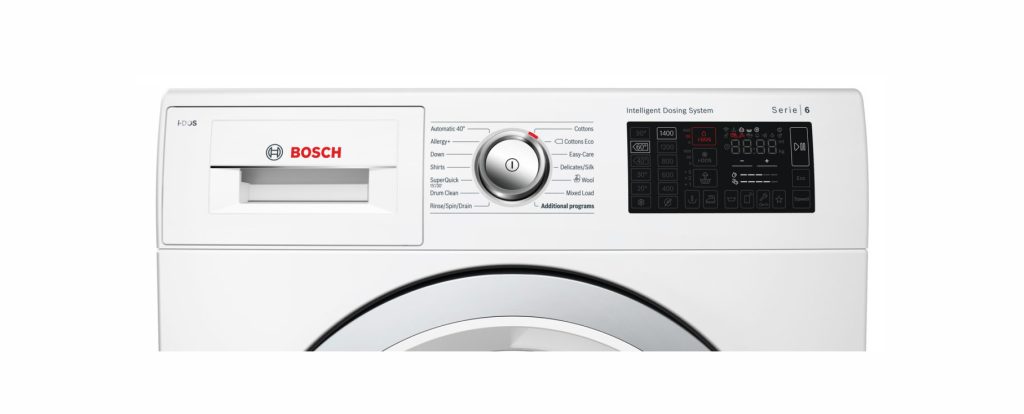
Bosch describes i-DOS as intelligent dosing that automatically determines the correct setting, amount of detergent and water, with the practical promise of consistent results and less guesswork. This is most valuable if you want “fill occasionally and forget” convenience, or if you suspect your household tends to over-dose or under-dose detergent. If you like the idea, consider where you will physically keep detergent refills and whether you prefer auto dosing or manual control.
EcoSilence Drive
Bosch describes EcoSilence Drive as an advanced motor designed for efficiency, durability, performance and exceptionally low noise operation, and it positions quiet washing as a quality-of-life benefit. In practical terms, this matters when you run cycles in the evening, live in an open-plan layout, or want to avoid disruptive spin noise. Use the motor branding as a hint, then validate with the machine’s quoted noise figures and user reviews for the specific model.
Haier
Direct Motion Motor
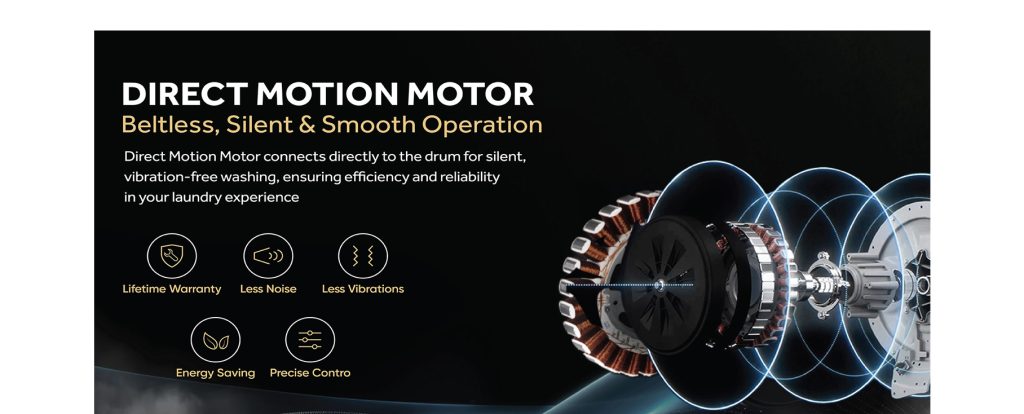
Haier describes Direct Motion as operating without a belt, with the motor directly attached to the drum, positioned around reduced noise and vibration plus improved durability. This tends to be most noticeable in real homes on suspended floors, or where a washing machine sits near bedrooms, because vibration behaviour becomes a daily irritation if it is poor.
ABT
Haier describes ABT as an anti-bacterial treatment applied to sensitive areas like the detergent drawer and door gasket, with claims around eliminating bacteria in its cited context. In buyer terms, this is best thought of as hygiene support for the machine environment, not a substitute for good habits like leaving the door ajar and running a periodic drum clean.
hOn app
Haier positions hOn as a way to manage laundry conveniently, access specialised programmes, and enable remote activation and tailored suggestions. If you already use smart home apps, this can be a good fit. If you prefer a washing machine to be fully self-contained, do not treat app support as a deciding feature.
Indesit
Push&Go
Indesit describes Push&Go as pressing and holding the blue button for two seconds to start a daily 30°C cycle. In practical terms, this is a usability feature: it reduces decision fatigue and makes it easier for everyone in the household to start a sensible wash without scrolling through programmes.
Push&Go with SteamTechnology
Indesit describes Push&Go with SteamTechnology as adding a steam boost at the end of the wash, positioned around softening clothes and reducing creases in under an hour on the cited product page. This is best for households that love “one button simplicity” but want a better end result for items that crease easily. Always check which fabrics and loads suit the default cycle so that convenience does not come at the expense of proper cleaning.
Water Balance Plus
Indesit describes Water Balance Plus as adapting the amount of water used according to each cycle’s needs, with the aim of reducing wastage and saving on bills in its cited context. This is most relevant when you wash a mix of partial loads, because adapting water use can prevent smaller washes from feeling inefficient.
Candy
RapidÓ
Candy positions RapidÓ around speed and convenience, including a set of rapid programmes designed to complete everyday laundry in under an hour in its described context. In practical terms, RapidÓ matters if the quick cycles match what you actually wash most weeks, rather than being fast cycles you never use. When comparing models, check how many rapid options are included and whether they support your preferred temperatures and spins.
Snap&Wash
Candy describes Snap&Wash as selecting the right cycle based on a photo of the laundry pile, with the app recommending the best and fastest programme and automatically setting temperature and spin speed in its described context. This is most useful for mixed loads where you are unsure which programme to choose, or where multiple people do laundry and you want fewer incorrect settings.
hOn app
Candy positions hOn as the app layer for connected control, guidance and extra content, and the hOn ecosystem also states it supports multiple brands including Candy, Hoover and Haier. If you want connected laundry, this can simplify things across appliances. If you do not want phone-led control, treat it as optional.
Hoover
One Touch (NFC)
Hoover describes One Touch as a connection system with NFC technology and an app, positioned around improving the washing experience and keeping the appliance status under control. Hoover user documentation also describes One Touch as interacting via the app with Android smartphones equipped with NFC. In practical terms, the value depends on whether you have compatible phones in the household and whether you genuinely want to use an app for guidance, programme downloads or monitoring after the novelty has worn off.
Hisense
Smart Dosing
Hisense describes Smart Dosing as helping utilise detergent efficiently and reducing waste water, framed around matching the wash cycle by weighing and sensing loads in its described context. In everyday use, auto dosing is mainly about convenience and consistency, including reducing the common habit of over-pouring detergent for larger loads. If you are interested, check the size of the detergent reservoir and whether the feature is described as available across most cycles or only in specific modes.
ConnectLife
Hisense positions ConnectLife as enabling connectivity between appliances and describes scenarios such as a washing machine communicating with a dryer via Wi-Fi on supported series. If you already like connected appliances, ConnectLife can add convenience through notifications and workflow automation. If you do not want appliances online, it is safe to treat this as a neutral feature.
Steam Wash
Hisense describes Steam Wash as releasing high-temperature steam from the bottom of the drum, with claims around eliminating bacteria in its cited context, and it presents Steam Wash as supporting allergy and hygiene benefits on product pages. In practical terms, steam features tend to matter for bedding, towels and items you want extra hygiene reassurance on, but you should still check which cycles use steam and what fabric care limits apply.
Where to go next on PricePop
If you want this glossary to lead directly into shortlisting, place a small number of links where they naturally help the reader take action. PricePop already groups washing machines by installation type, capacity, spin speed and brand, so those are the cleanest link targets to use from this article.